Elite Steel
Elite Steel
Elite Steel
Heavy-duty engineered elements tailored to meet European structural guidelines and withstand the extreme conditions of Baltic industries.
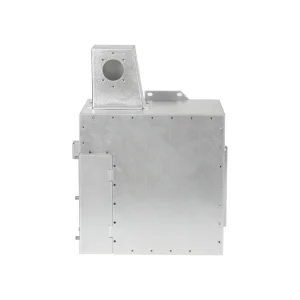
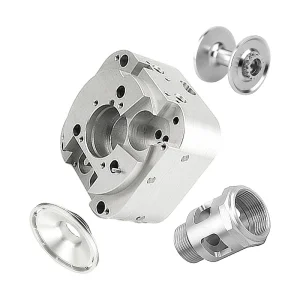
Latvia's strategic geographical positioning on the Baltic coast serves as a pivotal logistical corridor connecting Northern Europe to continental markets. Key economic epicenters like Riga, Ventspils, and Liepāja are witnessing dynamic structural transformations. Projects like the massive Rail Baltica railway corridor, offshore wind installations, and municipal infrastructure retrofits are driving substantial demands for high-performance, corrosion-resistant metallic components.
Due to the humid maritime climate, high salinity from the Baltic Sea, and sub-zero winter temperatures (often dropping below -25°C), standard structural steel elements are highly prone to brittle fracturing and accelerated atmospheric corrosion. Modern Latvian engineering and architectural specifications demand high-performance grades of stainless steel—specifically EN 1.4301 (AISI 304) and EN 1.4404 (AISI 316L)—to guarantee a lifespan exceeding 50 years without structural degradation.
Furthermore, Latvia's expanding food processing (dairy, seafood processing) and chemical manufacturing clusters require specialized, highly hygienic, and acid-resistant steel connections to meet stringent EU food safety regulations and environmental standards.
1. Sub-Zero Impact Toughness: Austenitic stainless steels retain their ductility and do not experience a ductile-to-brittle transition temperature (DBTT), preventing sudden structural failures during harsh winters.
2. Superior Maritime Resistance: Molybdenum-alloyed grades like 316L resist pitting and crevice corrosion triggered by high-chloride environments typical of Latvian port installations.
3. Zero-Maintenance Lifespan: Lowering long-term lifecycle costs for municipal and public infrastructures, aligning with Latvia’s national green transition initiatives.
Engineered to comply with the European Union Construction Products Regulation (CPR) and standard execution rules of EN 1090.
We process high-grade EN 1.4301 (AISI 304), EN 1.4404 (AISI 316L), and EN 1.4462 (Duplex 2205). Duplex alloys double the yield strength compared to standard grades, allowing for thinner, lighter, and more cost-effective structural designs in Latvian architectural frameworks.
Every single batch of our structural exports to Latvia is accompanied by certified mill test reports (MTR) according to EN 10204 3.1, detailing chemical composition, yield strength, elongation, and impact toughness values to ensure effortless EU compliance.
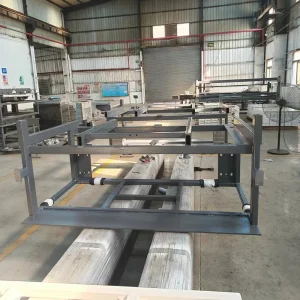
All structural welding operations adhere strictly to EN ISO 3834 and EN 1090-2 (EXC2/EXC3) requirements. We utilize modern robotic welding systems and implement non-destructive testing (NDT), such as dye penetrant and ultrasonic tests, to guarantee crack-free joints.
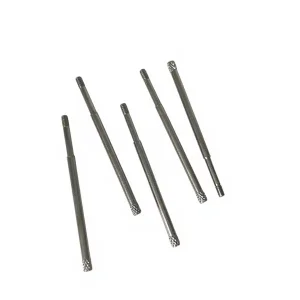
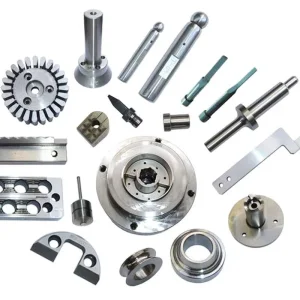
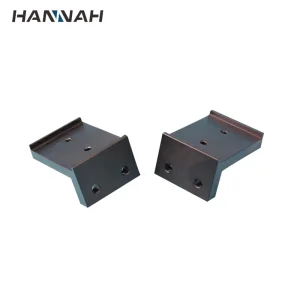
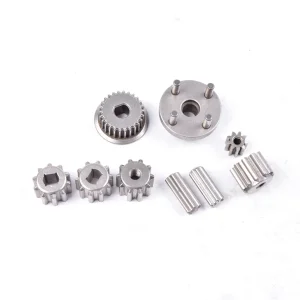
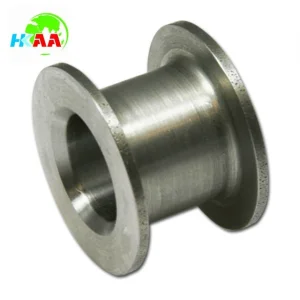
Highly accurate components configured using CNC machining, metallurgical sintering, and specialized forming processes.
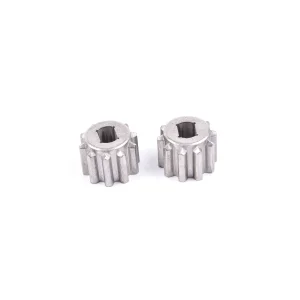
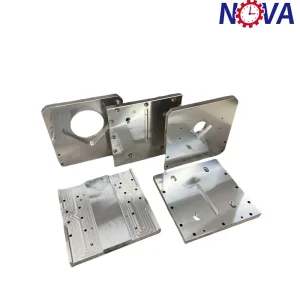
Foshan Elite Steel CO., LTD is located in the central and eastern part of China, and we export a large amount of steel products overseas every year. By synergizing advanced manufacturing processes with strategic coastal logistics networks, we offer Latvian engineering firms unparalleled cost-efficiency and supply chain security.
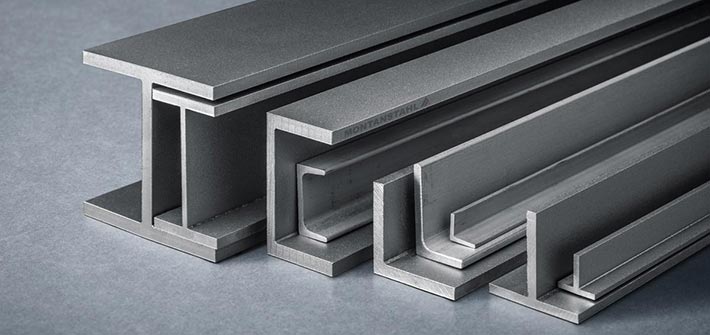
We provide carbon steel, stainless steel, aluminum, and copper products. The company has a mechanical processing factory that can process products. We support a series of mechanical processing operations such as steel plate cutting, steel plate bending, round steel forging, welding, etc. We guarantee product quality and delivery time.
The company has a long history of steel sales and has customers all over the world. The buyers we have worked with have consistently given us positive reviews. The positive affirmation from the customer is our greatest support. Serving customers is our consistent principle.
Shipments destined for Latvia are routed directly from ports of Shenzhen, Guangzhou, or Shanghai to the Port of Riga (RIX) or the Port of Liepāja via rapid container liners. We coordinate all transit procedures, including customs compliance documentation, ensuring a smooth customs clearance experience upon arrival in the European Union.
Our stainless steel components are engineered specifically for high-stress applications in Latvia's key industries.
Ports in Liepāja, Ventspils, and Riga require high pitting-resistance structural components. Our EN 1.4404 (316L) brackets, tension rods, and welded structural elements withstand constant salt spray and high humidity without structural failure.
The vast Rail Baltica trans-European railway project demands high-strength stamped metal and custom CNC-machined connectors. Our components deliver the high mechanical load capacity and sub-zero impact resistance required for high-velocity rail corridors.
Latvia's highly-regarded agricultural and fish processing sectors require structural framework assemblies that resist aggressive cleaning chemicals and high-temperature sanitization cycles while remaining strictly non-contaminating.
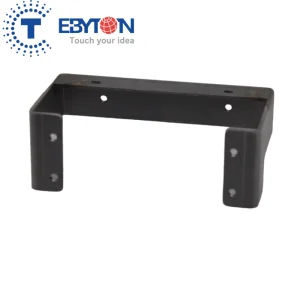
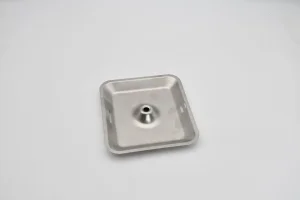
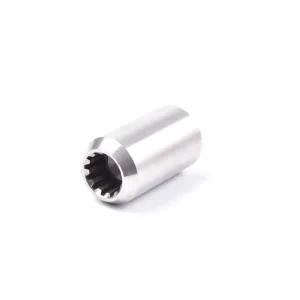
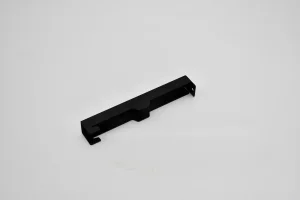
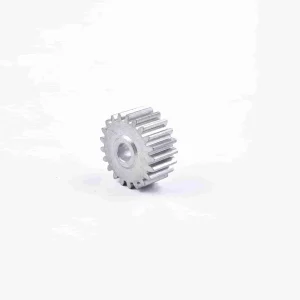
Browse our complete product catalog for structural fittings, aerospace assemblies, automotive brackets, and sintered components.
Exploring how evolving EU regulations and architectural trends impact structural design requirements in Latvia.
With the implementation of the European Green Deal, Latvian municipalities and construction groups prioritize materials with documented life-cycle assessments (LCA). Stainless steel shines in this regard, containing over 85% recycled content on average, and boasting 100% end-of-life recyclability without loss of mechanical integrity. We continuously optimize our fabrication footprint to reduce embodied carbon levels in our exports.
Engineers in Latvia increasingly specify hybrid configurations, combining structural glulam (glued laminated timber) and CLT (cross-laminated timber) with high-strength stainless steel connectors. These hybrid configurations deliver structural warmth and high carbon sequestration while relying on corrosion-immune steel plates and rods to handle tensile loads and moisture-gathering connection nodes.
Answers to key regulatory, logistical, and technical questions regarding importing stainless steel structures to Latvia.
Connect with our technical engineering division today. Receive comprehensive technical consultations, material certification advice, and precise component fabrication cost estimates tailored for your Latvian developments.