Elite Steel
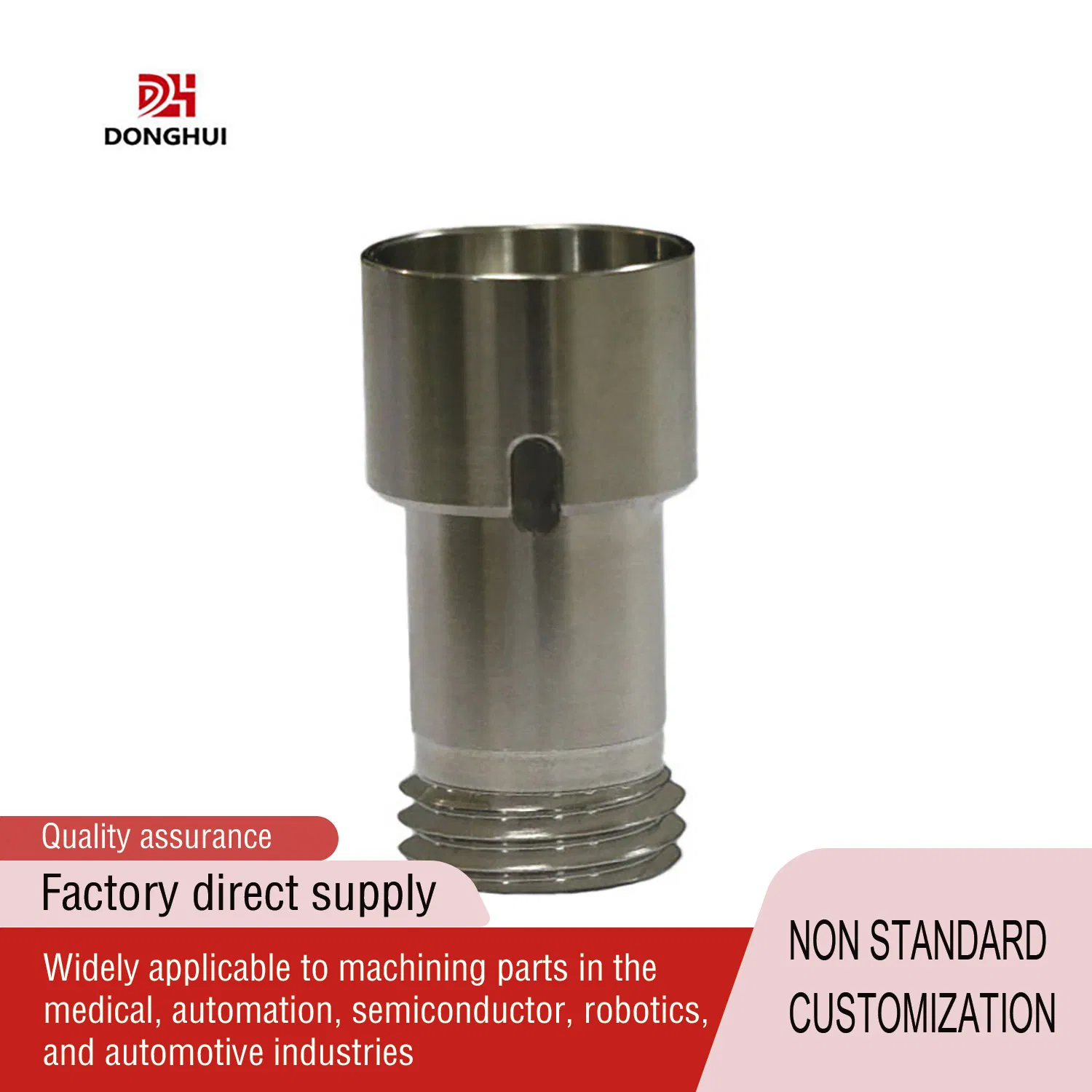
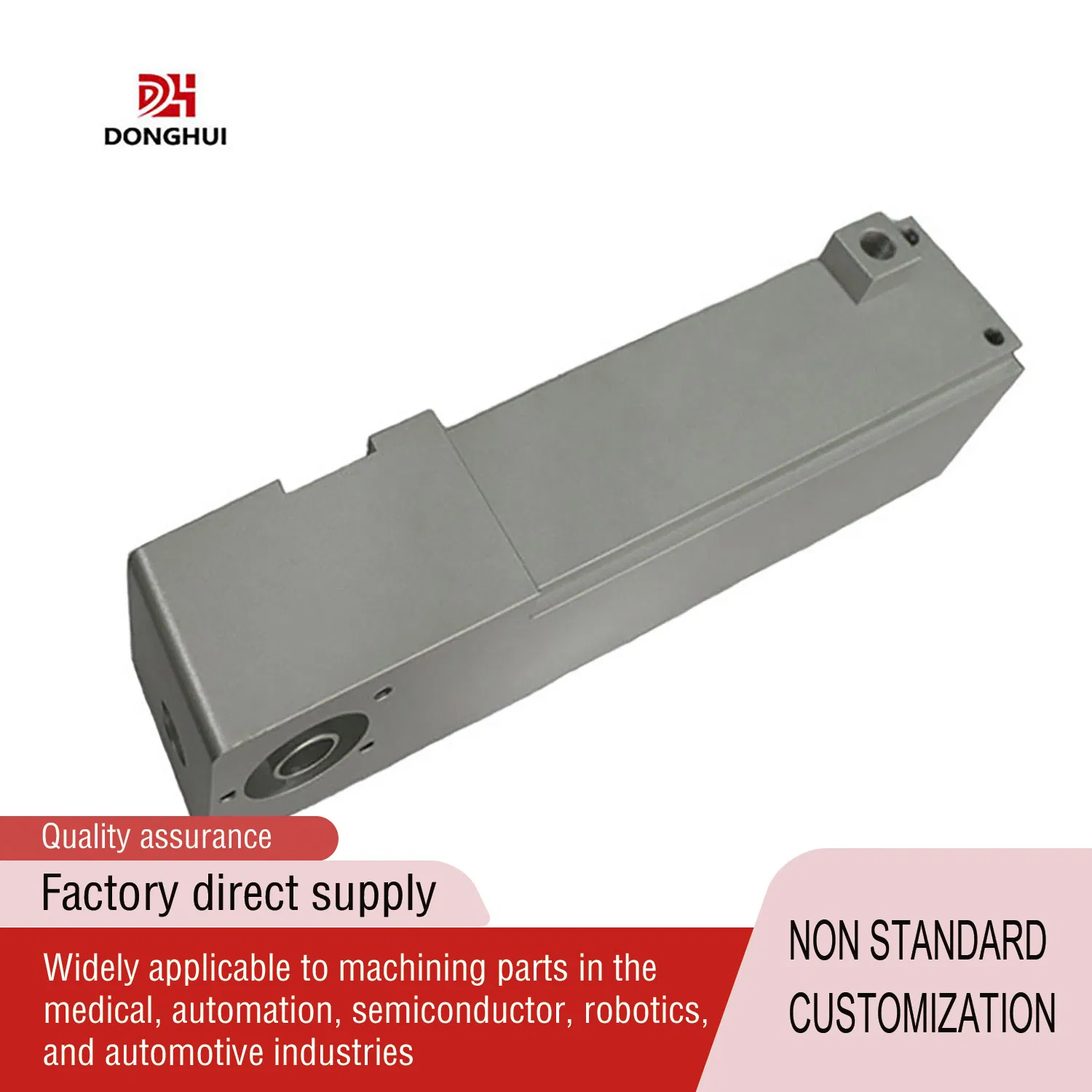
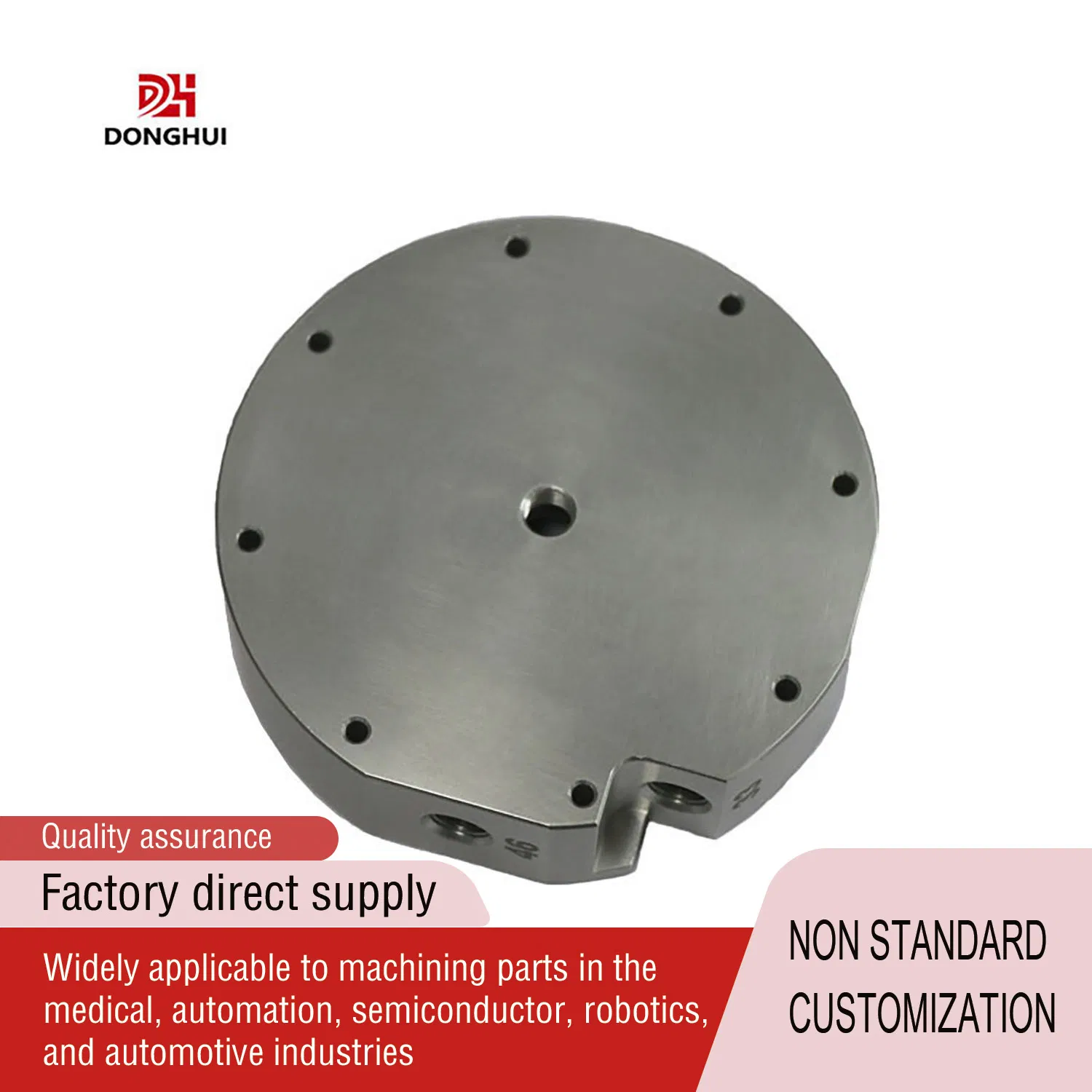
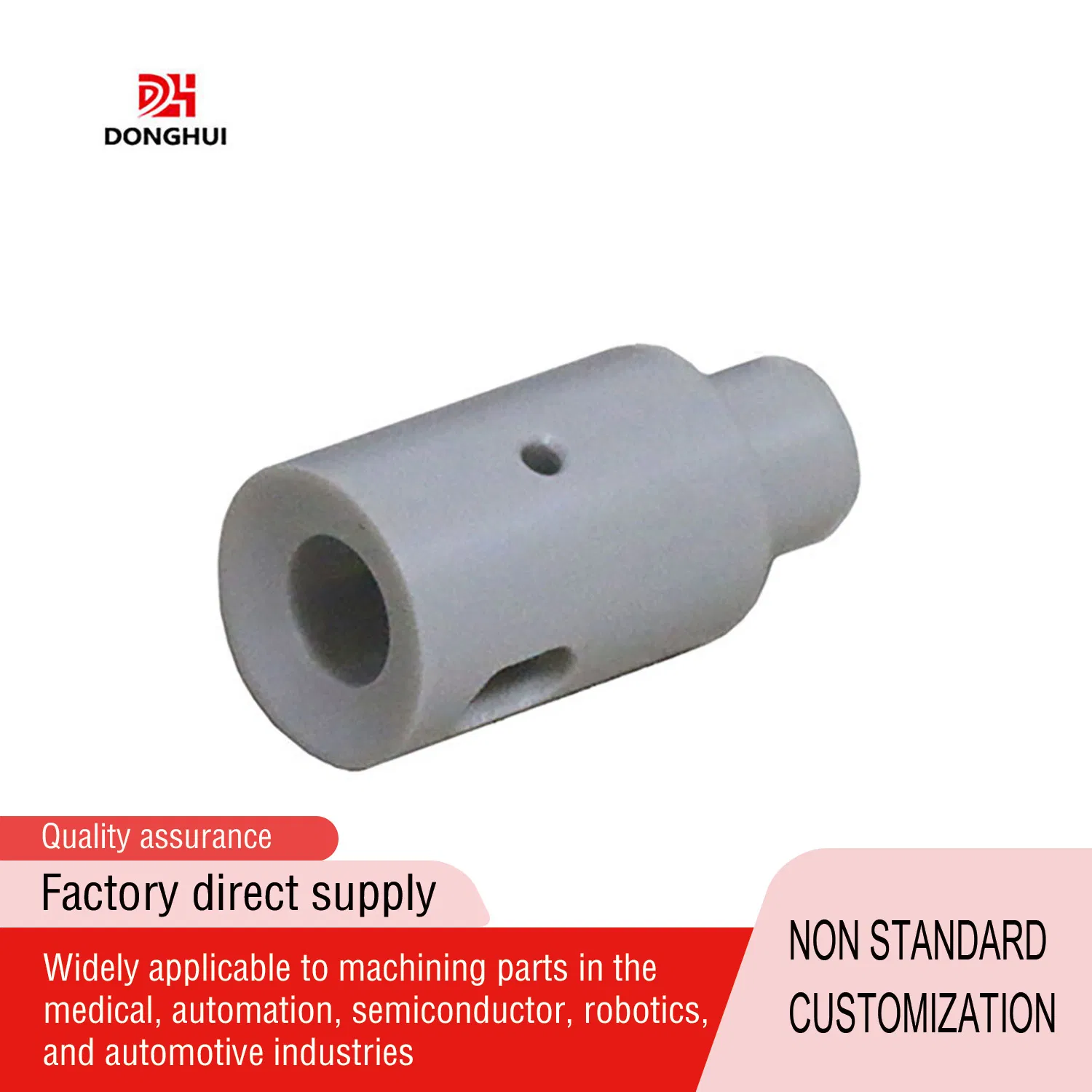
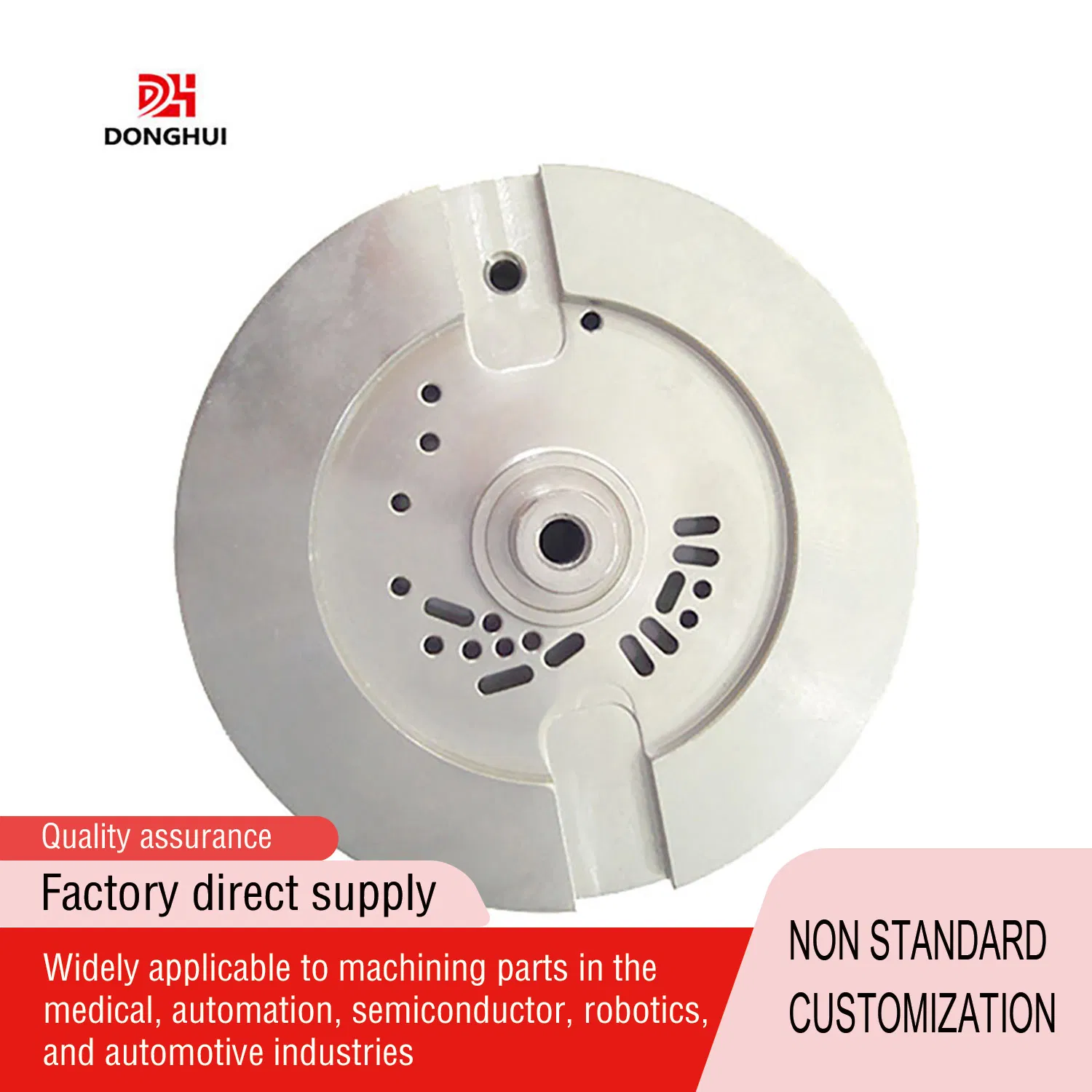
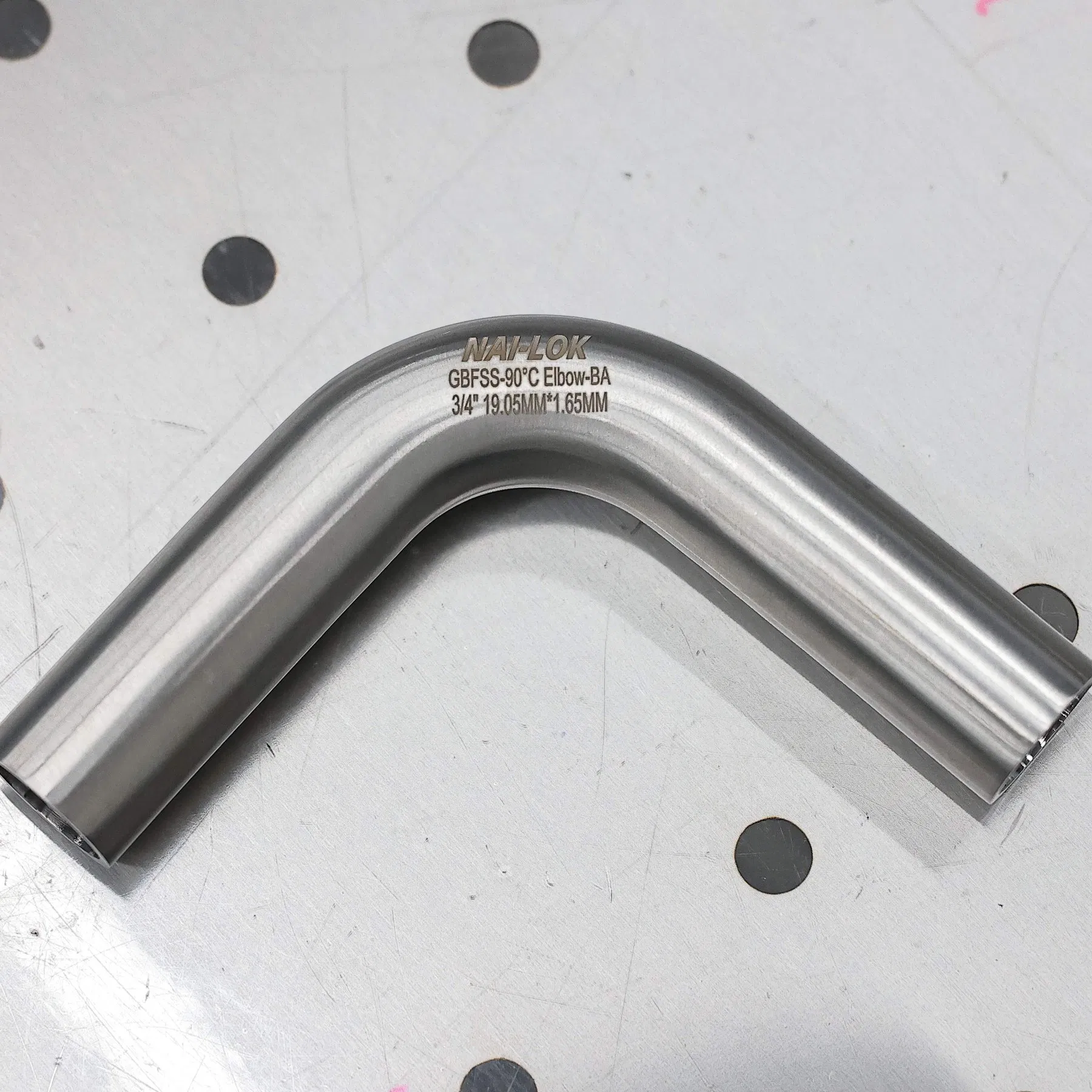
Precision CNC Machined Medical-Grade Stainless Steel Surgery Components
Product Description
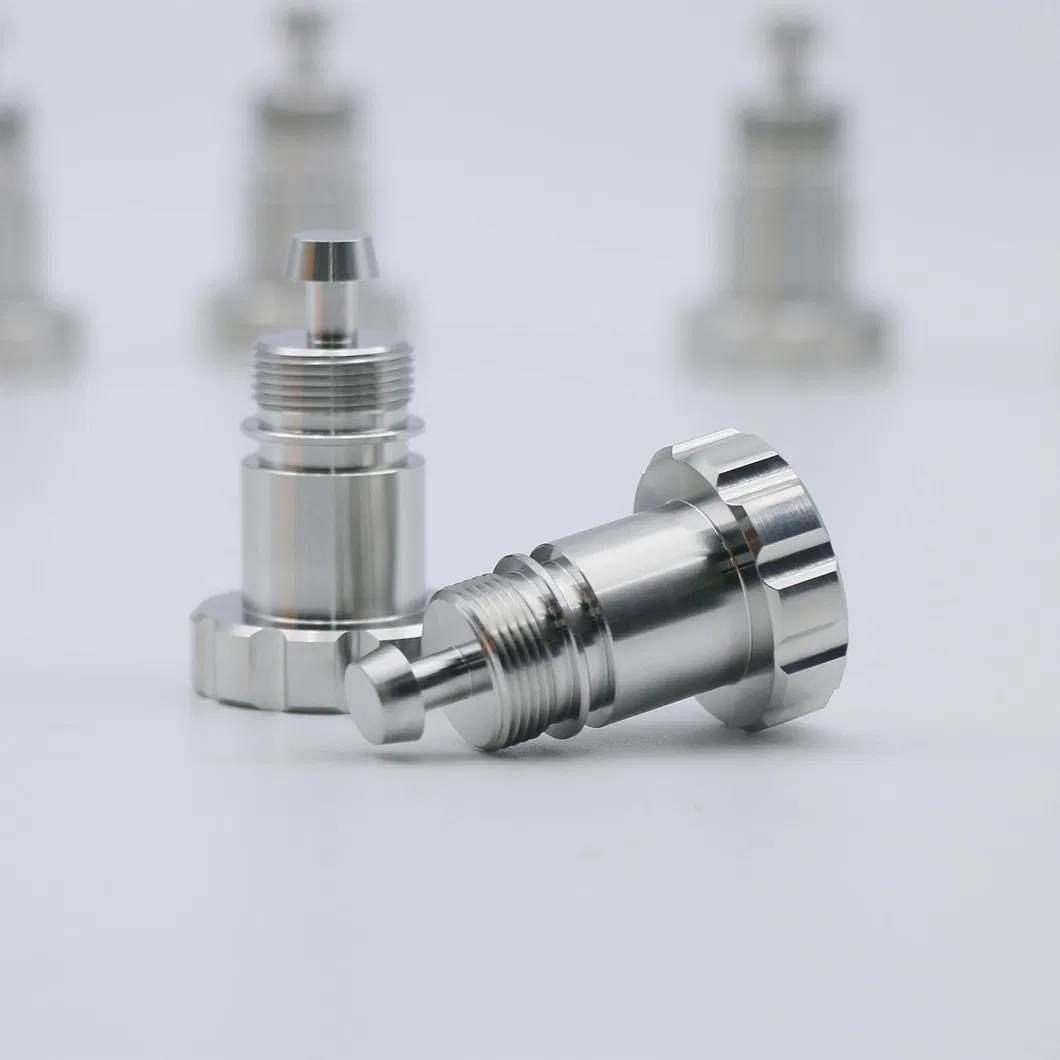
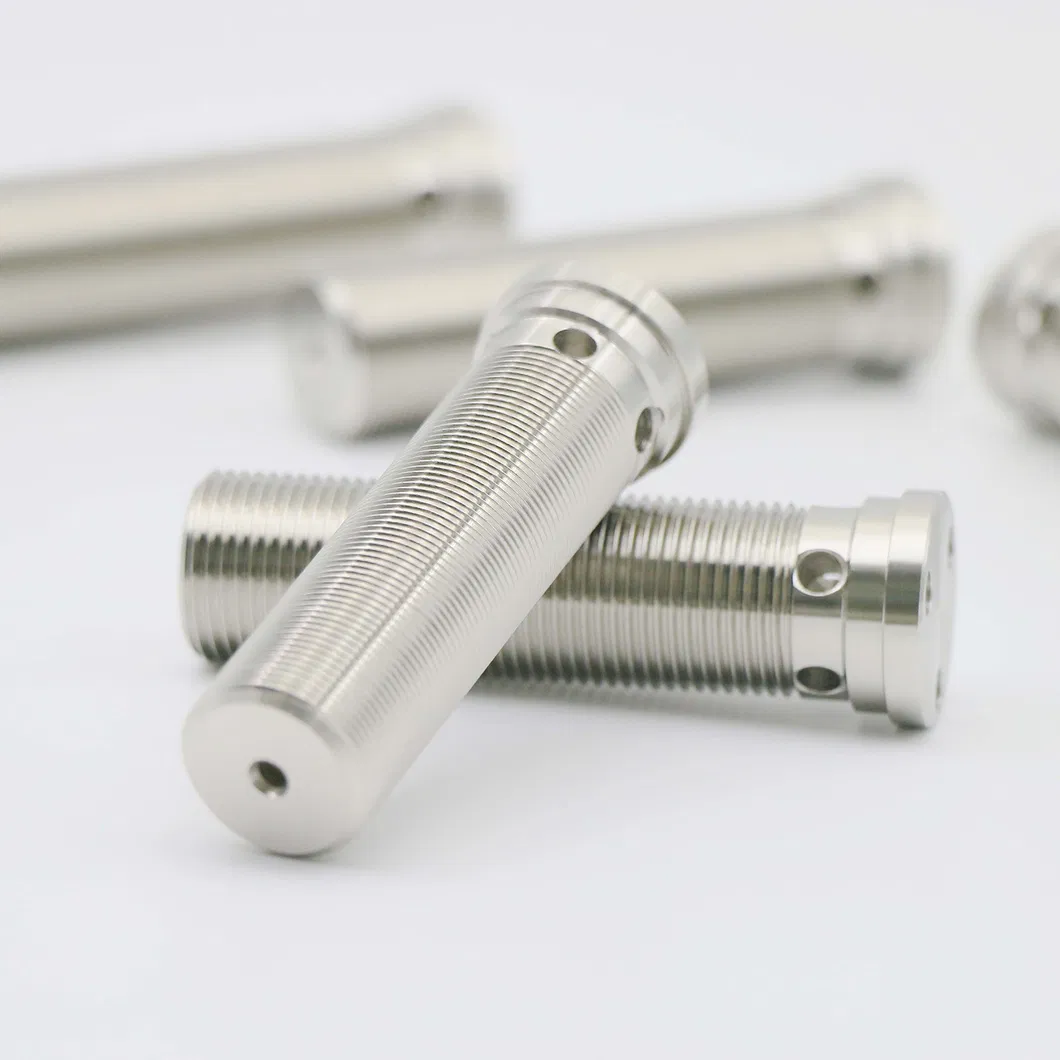
Our unparalleled expertise stands as a beacon in the world of high-end component fabrication. We cater to a vast array of industries, effectively meeting diverse applications including:
- Medical and Biotech: High-precision components for cutting-edge medical devices.
- Semiconductors: Core components essential for chip production equipment.
- New Energy: Innovative energy equipment propelling eco-friendly technology.
- Automotive: Critical components for smart and electric vehicles.
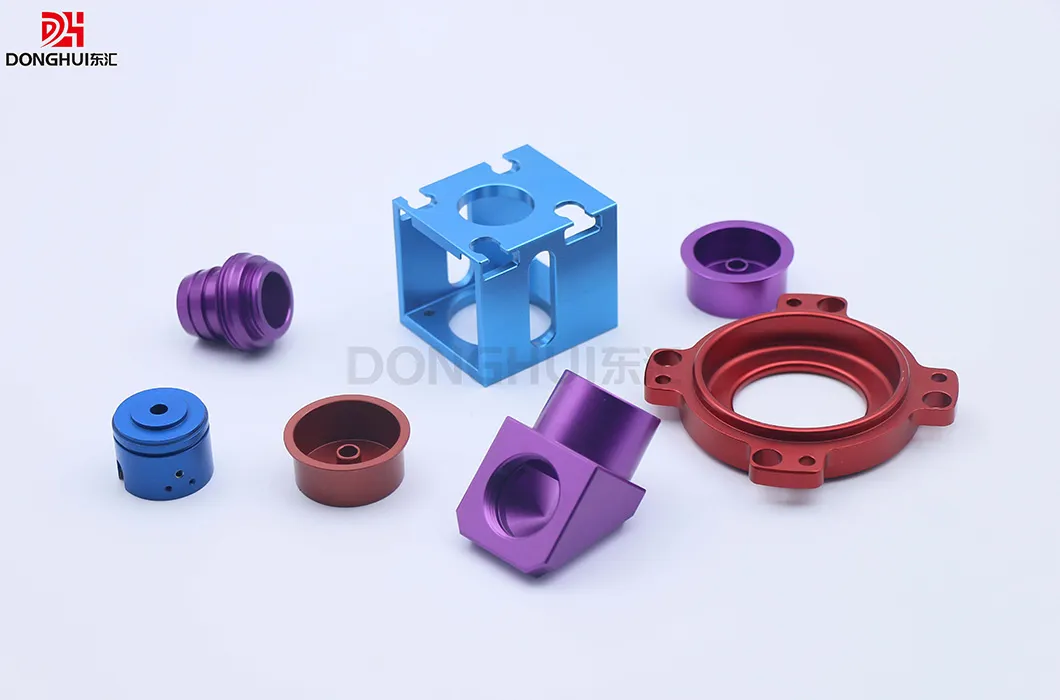
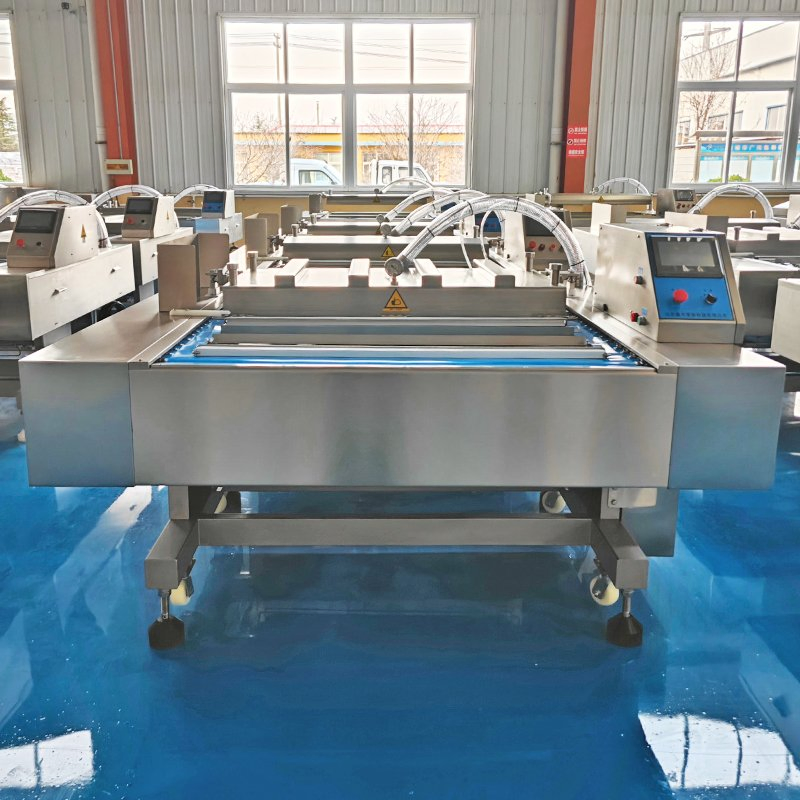
🚀 A Fleet of Excellence: Our operations showcase over 300 renowned machines, empowering us to handle complex machining demands with unmatched precision.
💎 Two Decades of Mastery: With 20 years of history, we harness extensive technical and process capabilities to surpass industry standards.
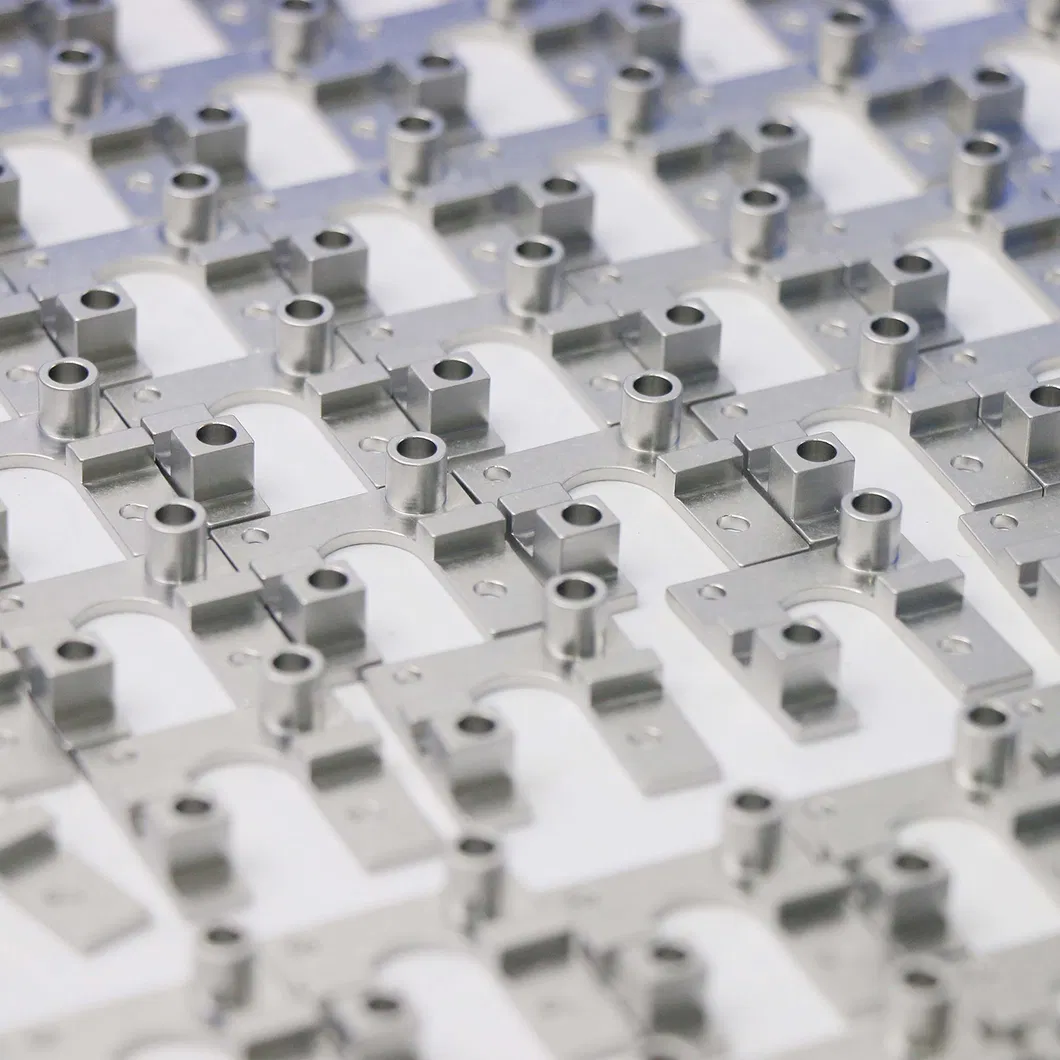
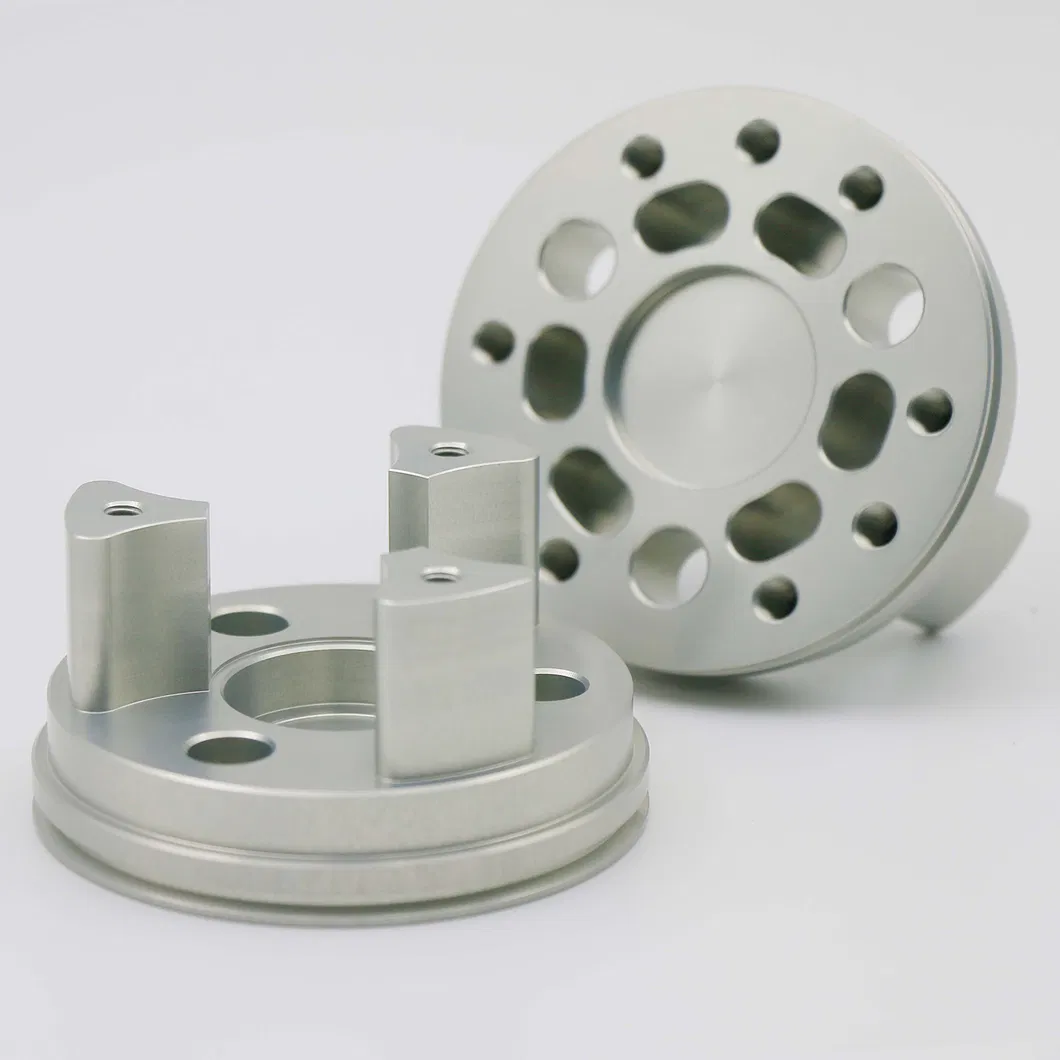
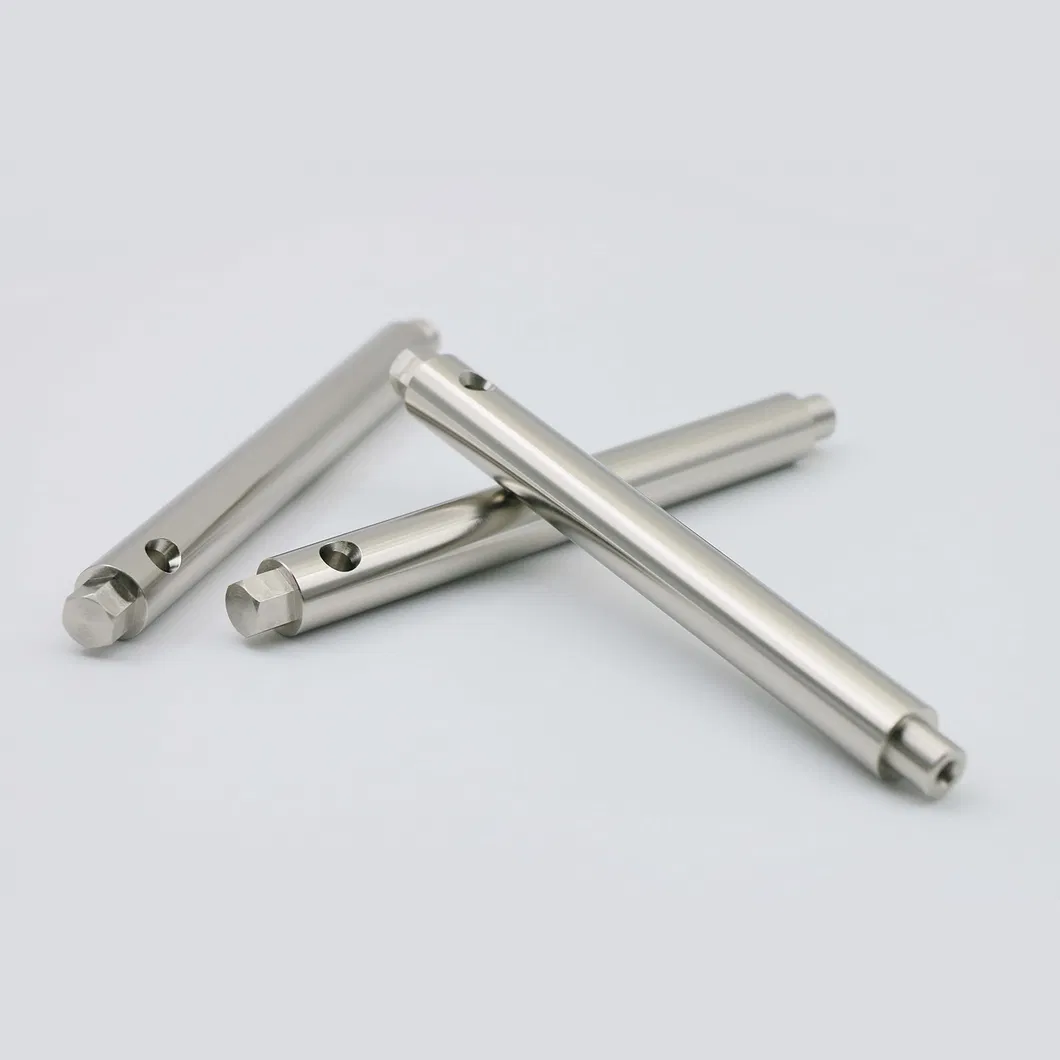
🛡️ Incoming Material Scrutiny: Exhaustive chemical and physical analysis to ensure flawless quality before production starts.
🔍 In-Process QA: Continuous monitoring of dimensions and tolerances to detect defects at the source.
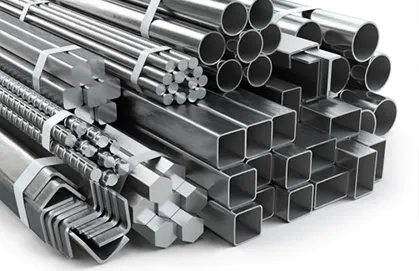
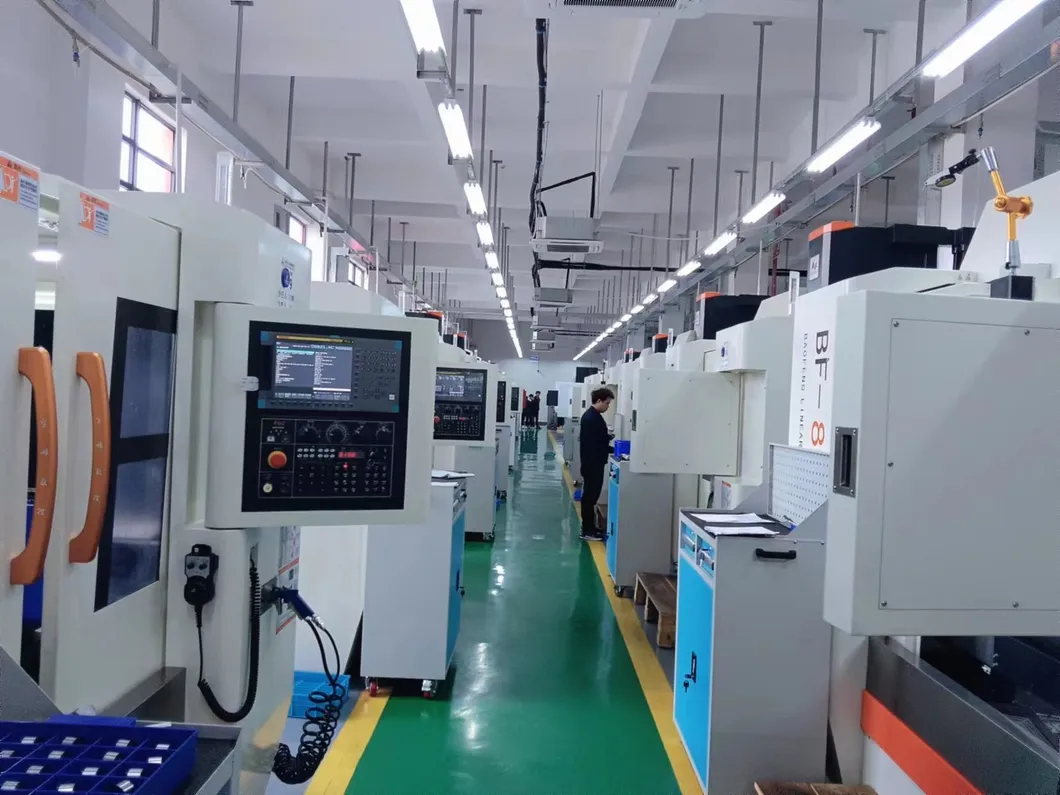
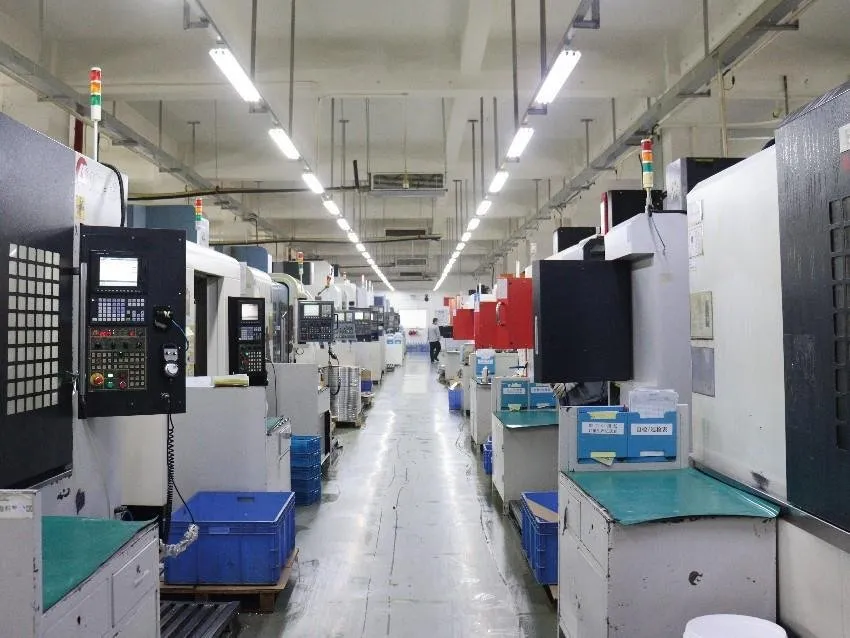
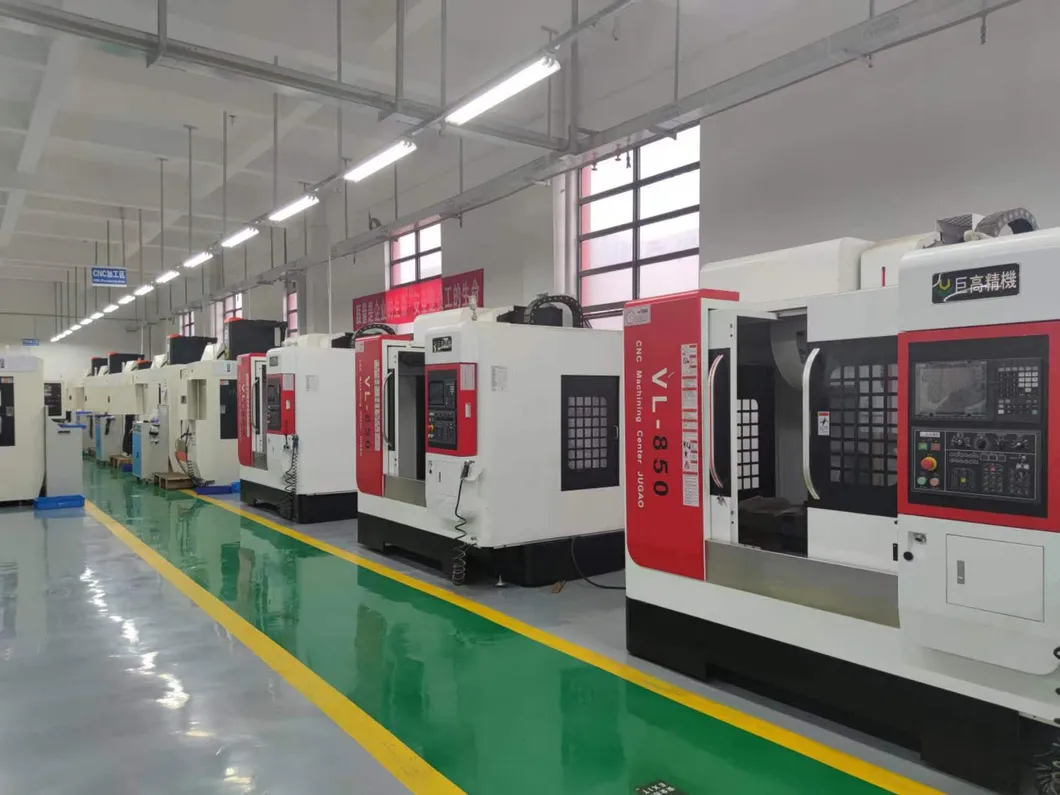
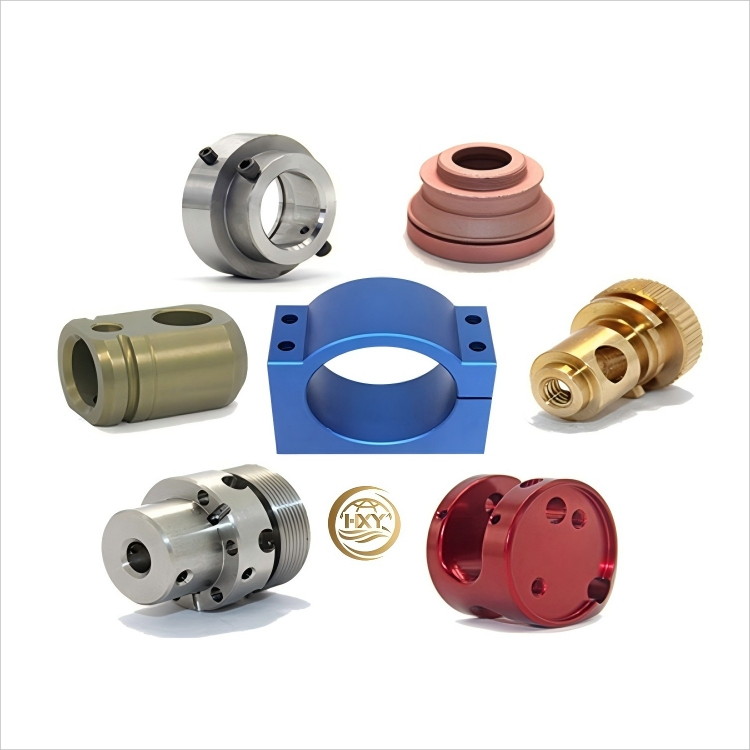
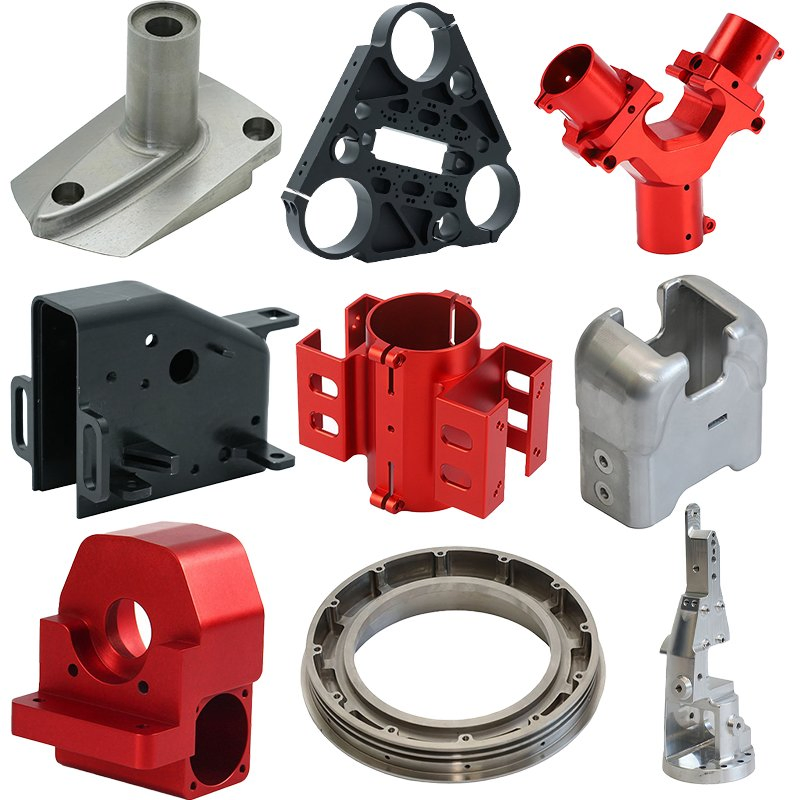
CNC machines handle metals (aluminum, steel, titanium, brass), plastics (ABS, POM, nylon, acrylic), wood, composites, and ceramics.
Typically, it takes 7 days for prototyping and 20 days for mass production shipment, depending on part complexity.
We offer high precision with tolerances typically ranging from ±0.01mm to ±0.1mm, depending on the machine and material.
Common finishes include anodizing, powder coating, polishing, painting, bead blasting, and electroplating.
Yes, it is ideal for low-to-medium volume production, allowing engineers to test designs before full-scale mass production.
Quality is maintained through First Article Inspections (FAI), in-process inspections, and final inspections using CMM tools.