Elite Steel
1 / 5
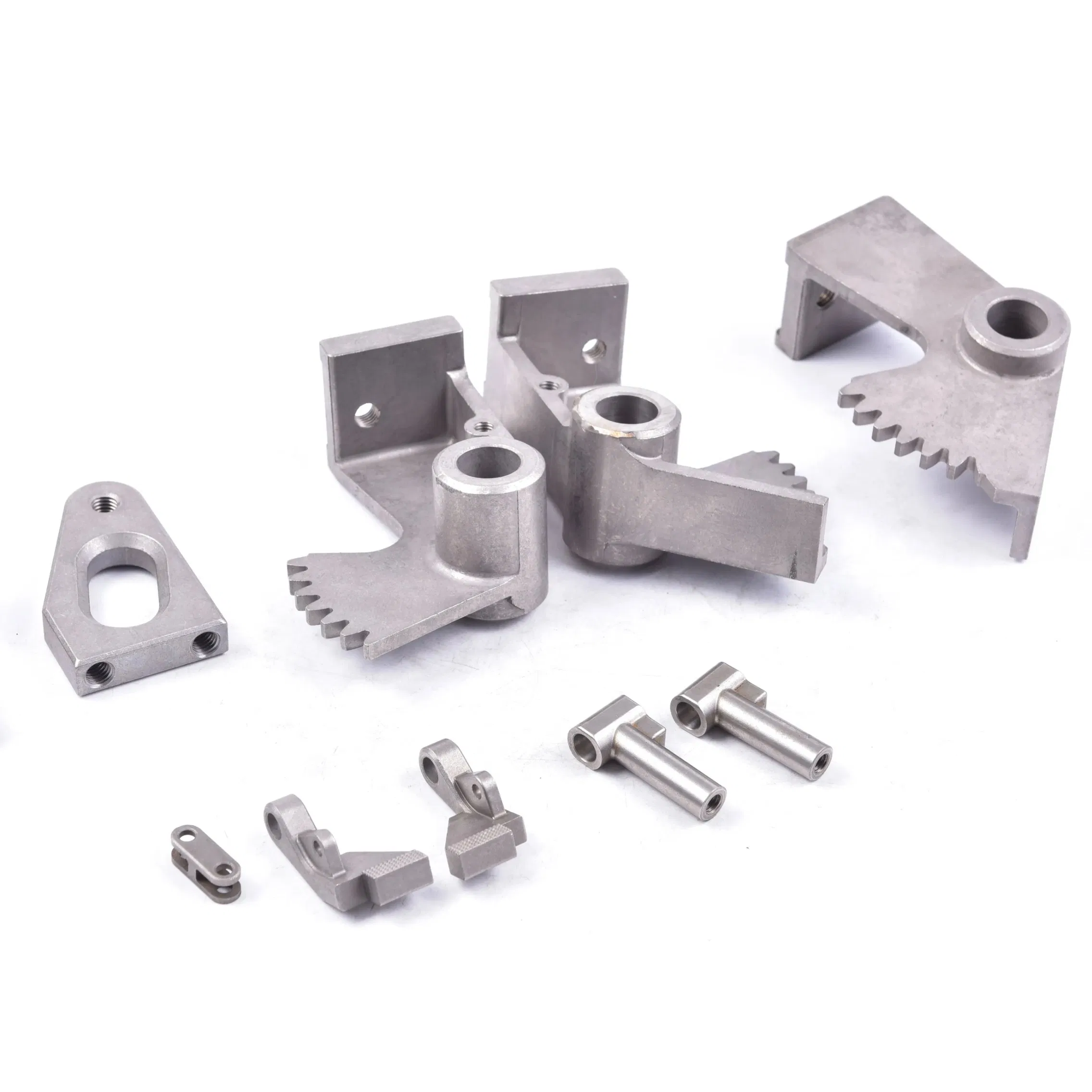
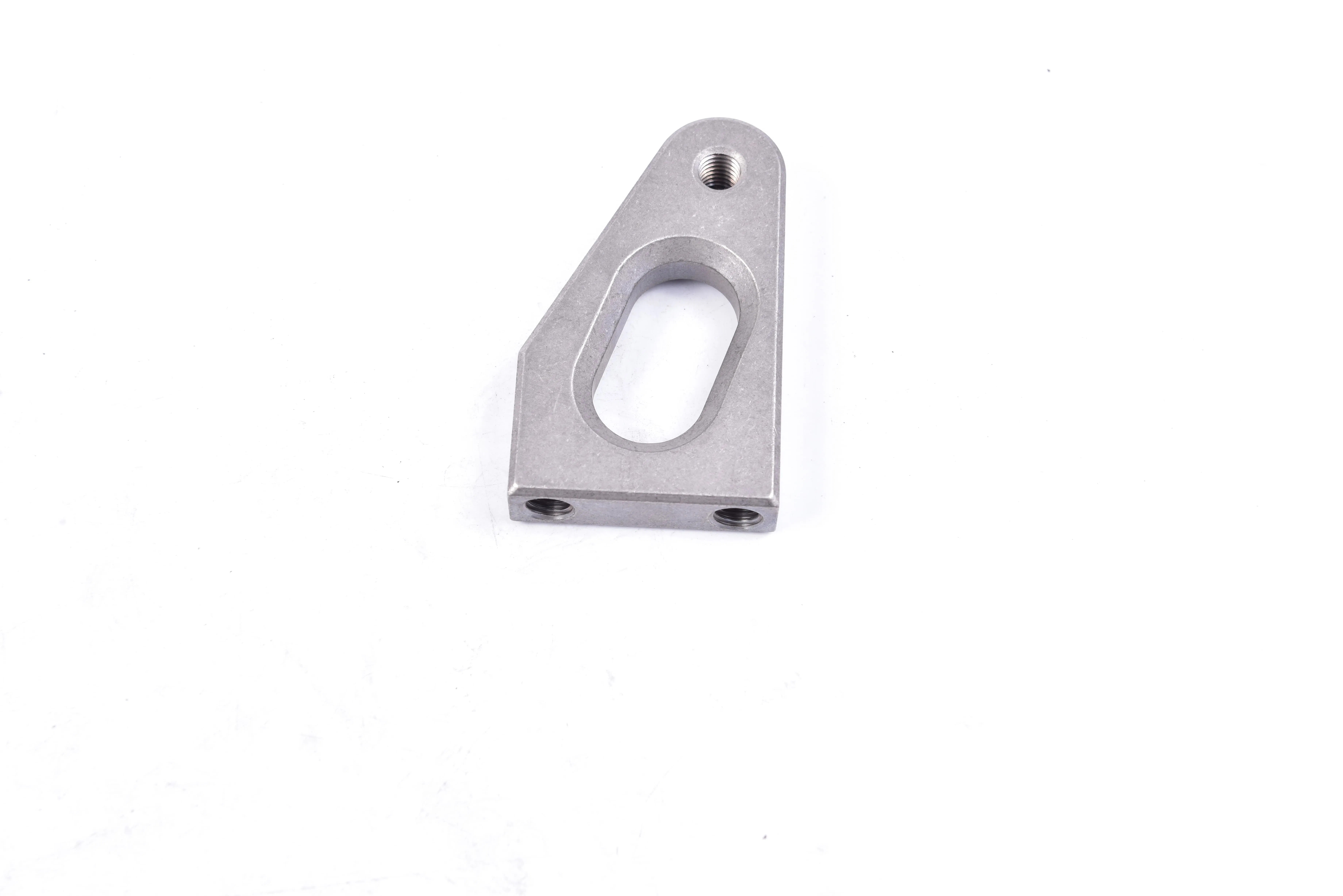
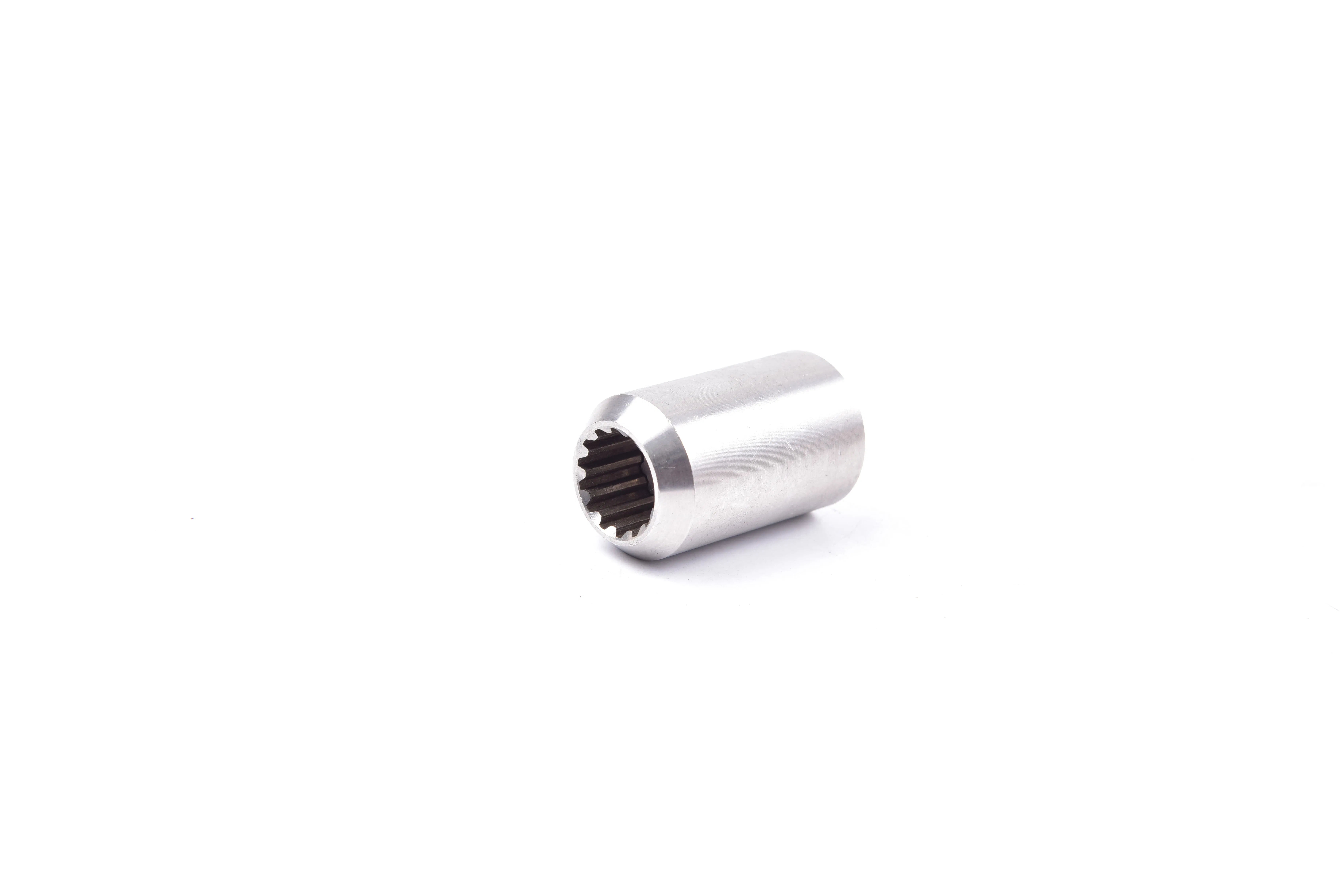
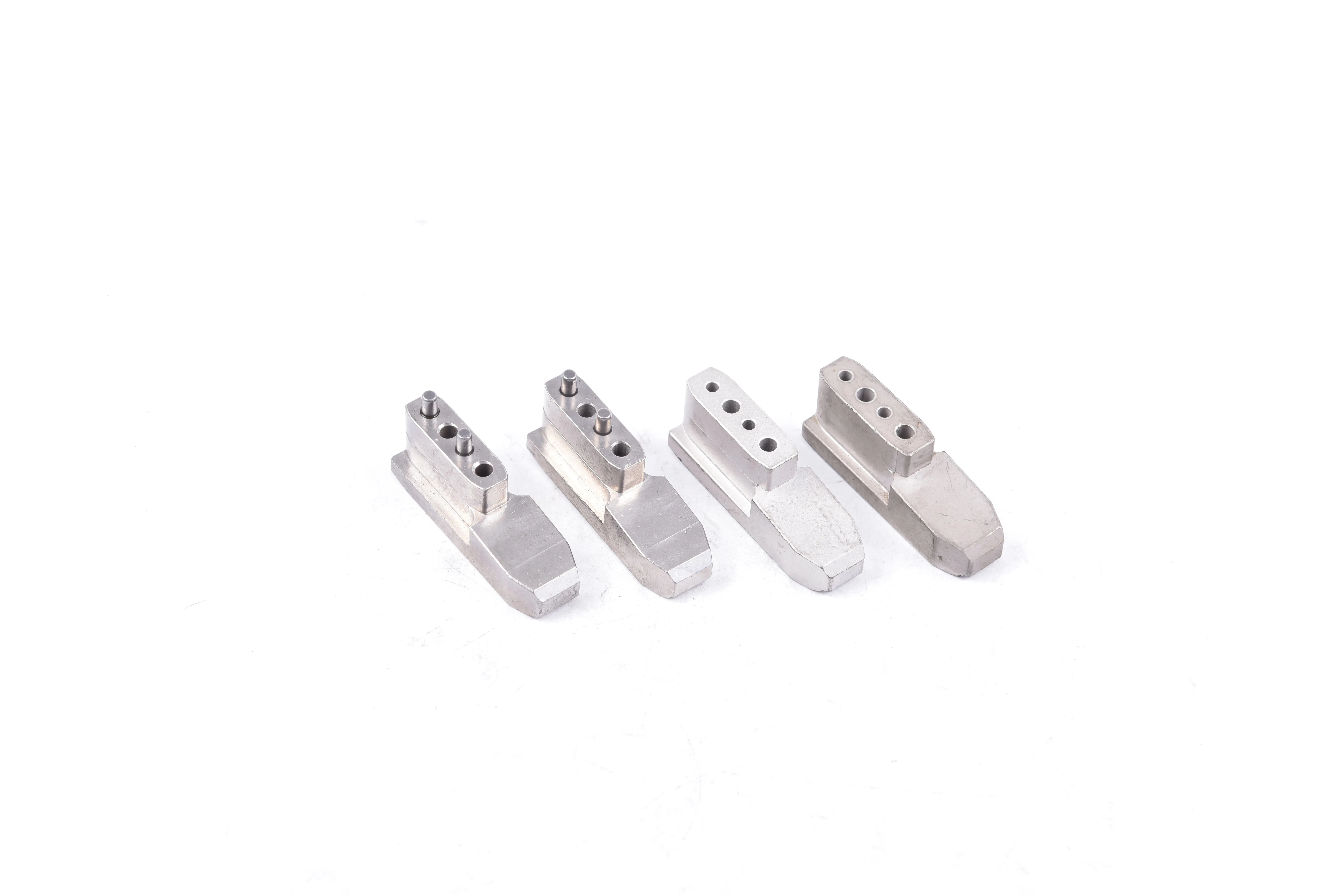
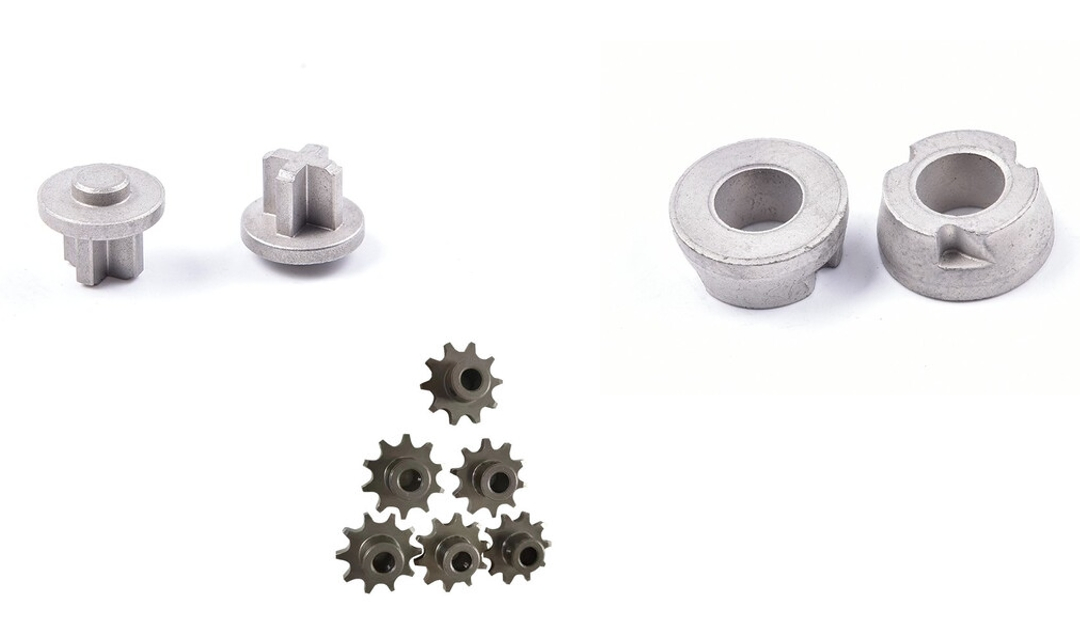
Customization Factory Outlet Stainless Steel Fitting Powder Metallurgy Sintered Structural Parts Accessories Components
Product Description
Basic Information
Gear Position
Internal Gear
Manufacturing Method
Sintered Gear
Toothed Portion Shape
Double Helical Gear
Material
Powder Metallurgy
Type
Circular Gear
Surface Treatment
High Frequency Quenching Oil Impregnation CNC
Appearance
No Crumbling, Cracks, Exfoliation, Voids
Process Flow
Powder Mixing - Forming - Sintering - Oil Impregnation
Production Capacity
1,000,000,000 Pieces/Year
Origin
Zhejiang
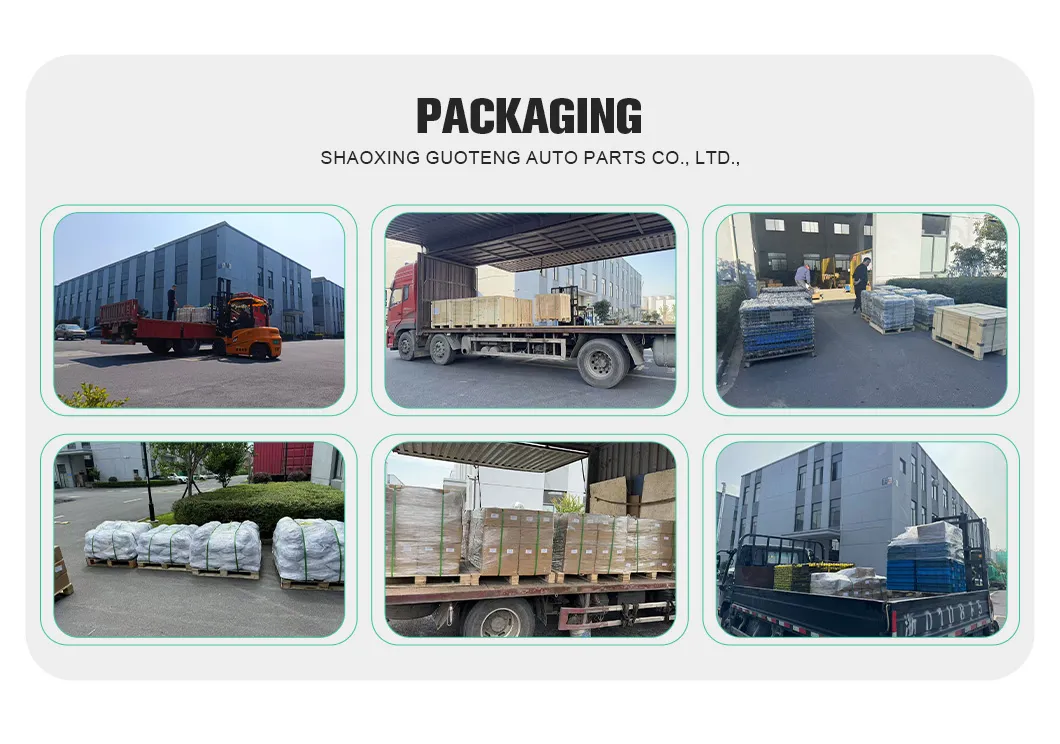
Packaging & Delivery
Package Size
38.00cm * 18.00cm * 11.00cm
Package Gross Weight
5.000kg
Product Description
Core Advantages
1. Material and Process Characteristics:
Using iron, copper, stainless steel or mixed alloy powder (Fe-Cu-C, Fe-Ni-Mo, etc.), material ratios are customizable to optimize strength and corrosion resistance. Near-Net Shape technology reduces machining waste and costs. High density (up to 7.4 g/cm³) is achieved through advanced pressing processes.
Using iron, copper, stainless steel or mixed alloy powder (Fe-Cu-C, Fe-Ni-Mo, etc.), material ratios are customizable to optimize strength and corrosion resistance. Near-Net Shape technology reduces machining waste and costs. High density (up to 7.4 g/cm³) is achieved through advanced pressing processes.
2. Performance Advantages:
Enhanced hardness (HRC 50-60) via heat treatment. Precision mold molding ensures smooth meshing (DIN 6-8) for low noise operation. Lightweight porous structures allow for self-lubrication (10-20% oil content).
Enhanced hardness (HRC 50-60) via heat treatment. Precision mold molding ensures smooth meshing (DIN 6-8) for low noise operation. Lightweight porous structures allow for self-lubrication (10-20% oil content).
3. Complex Structure Adaptability:
Single-piece forming of bevel gears, internal gears, and complex shaped holes, bypassing traditional cutting limitations.
Single-piece forming of bevel gears, internal gears, and complex shaped holes, bypassing traditional cutting limitations.
Typical Application Scenarios
- 🚗 Automotive: Transmission, starter, and oil pump gears.
- ⚙️ Industrial: Reducer gears and mechanical drive units.
- 🏠 Electronics: Home appliance motors and power tools.
- 🔋 New Energy: Electric bicycle motors and UAV components.
Frequently Asked Questions
What materials are used for these sintered gears?
We utilize iron, copper, stainless steel, and various mixed alloy powders like Fe-Cu-C and Fe-Ni-Mo to meet specific strength requirements.
Can the gear specifications be customized?
Yes, we provide fully customized solutions based on your specific technical drawings and application needs.
What are the benefits of the oil impregnation process?
The porous structure allows for 10-20% oil content, providing self-lubrication, reducing noise, and lowering maintenance needs.
What surface treatments are available?
We offer high-frequency quenching, steam oxidation, phosphating, and CNC finishing to enhance durability and precision.
What is the production capacity for these parts?
Our facility has a massive production capacity of up to 1,000,000,000 pieces per year to support large-scale industrial demands.
How do you ensure the quality of the gears?
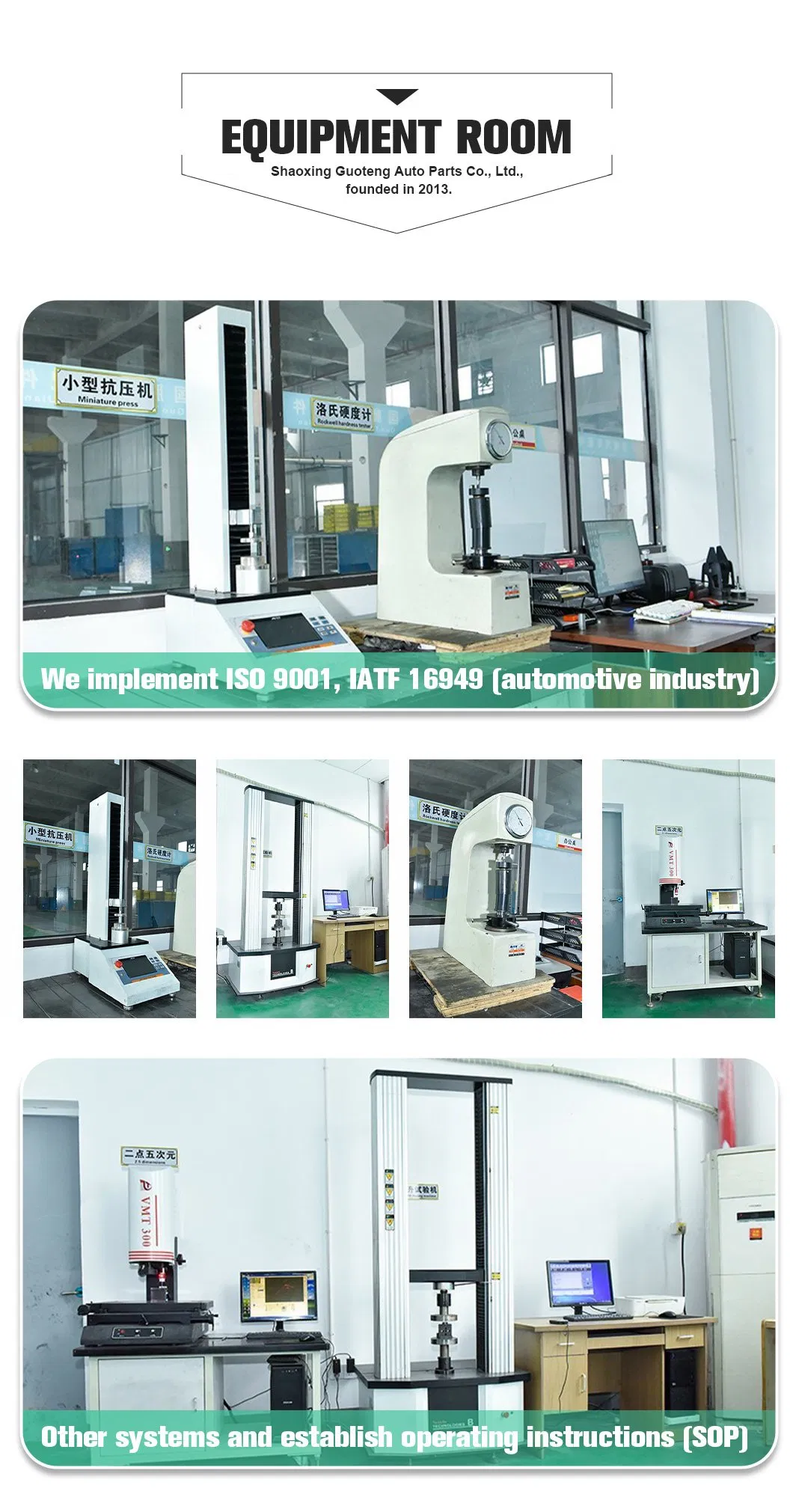
We maintain profile accuracy within DIN 6-8 standards and conduct rigorous inspections for cracks, crumbling, or voids.