Elite Steel
1 / 5
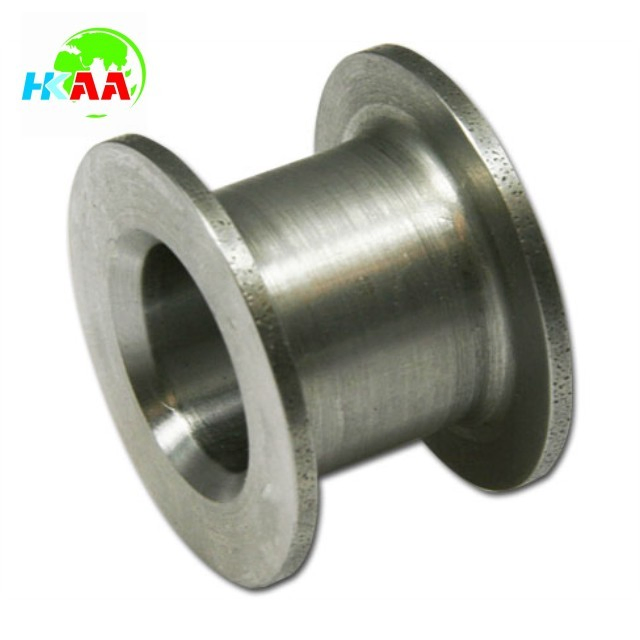
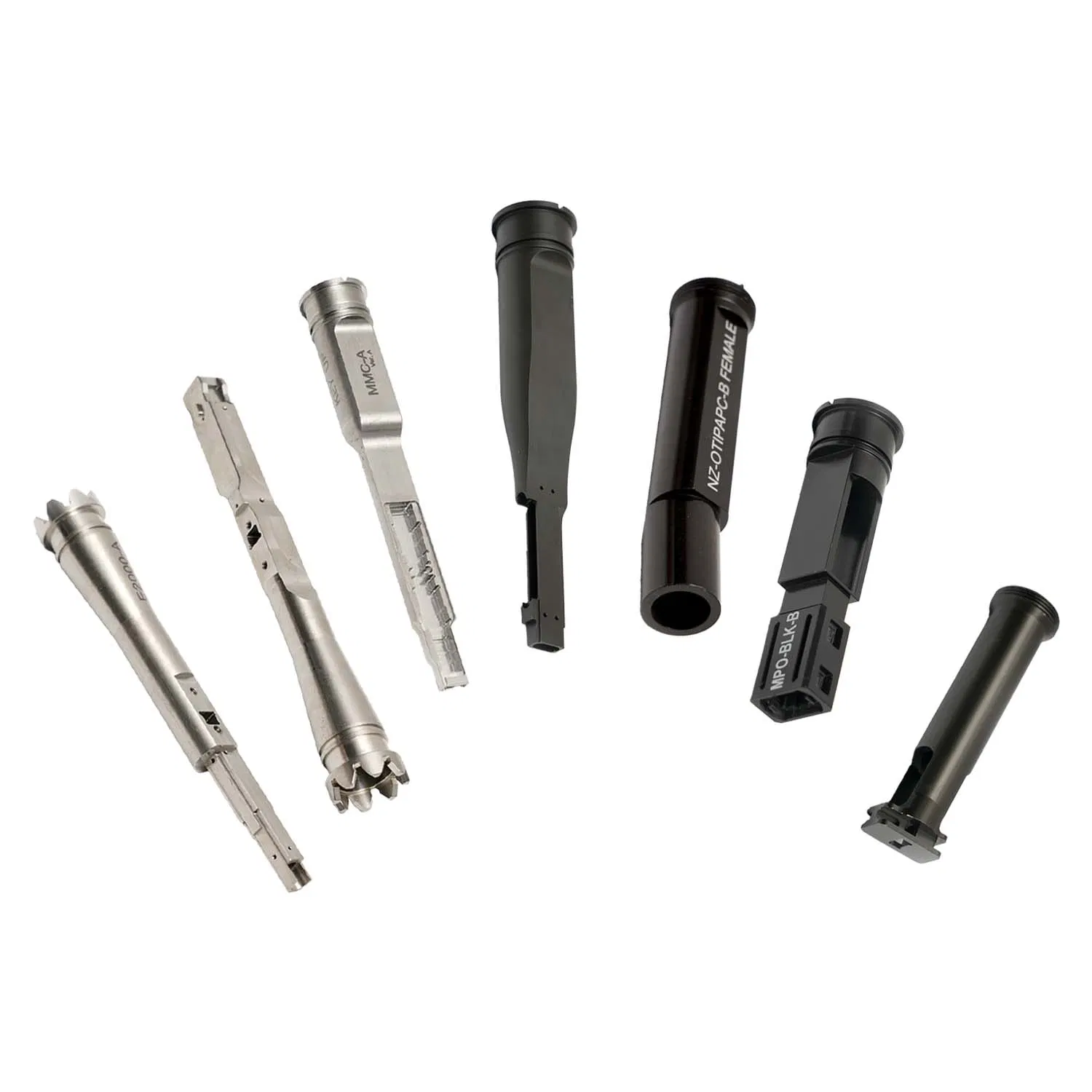
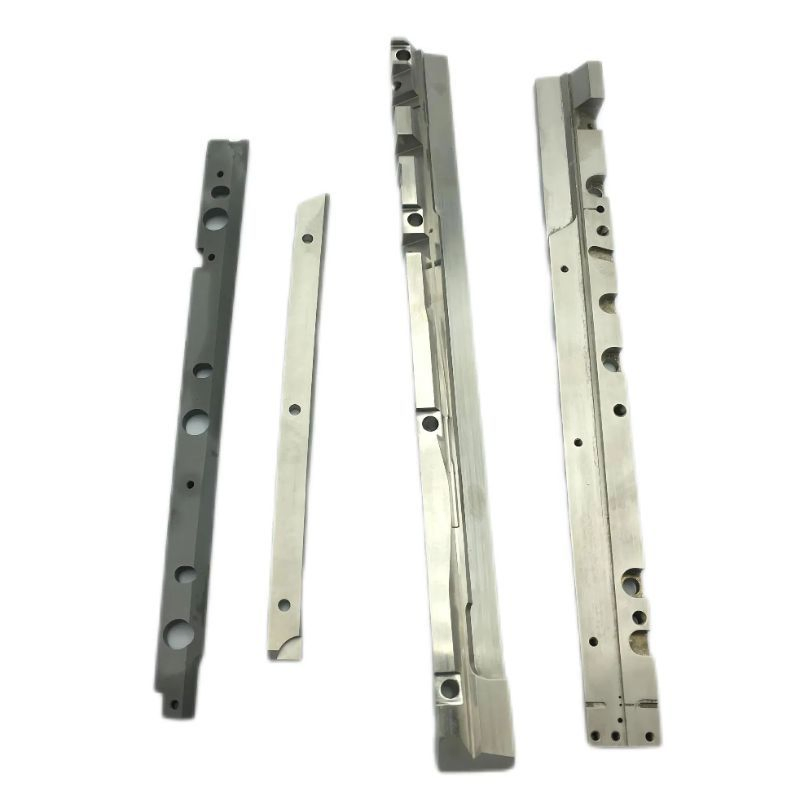
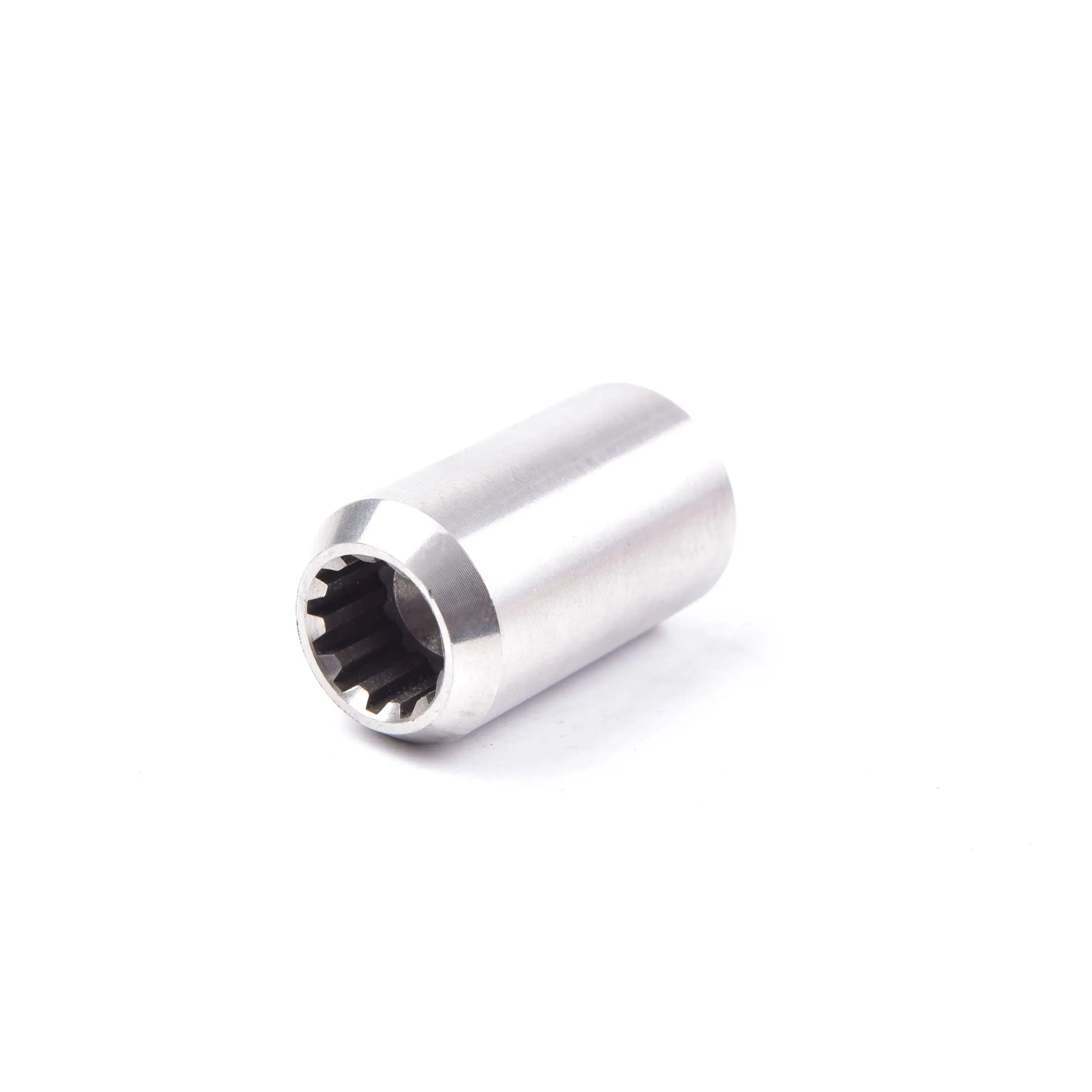
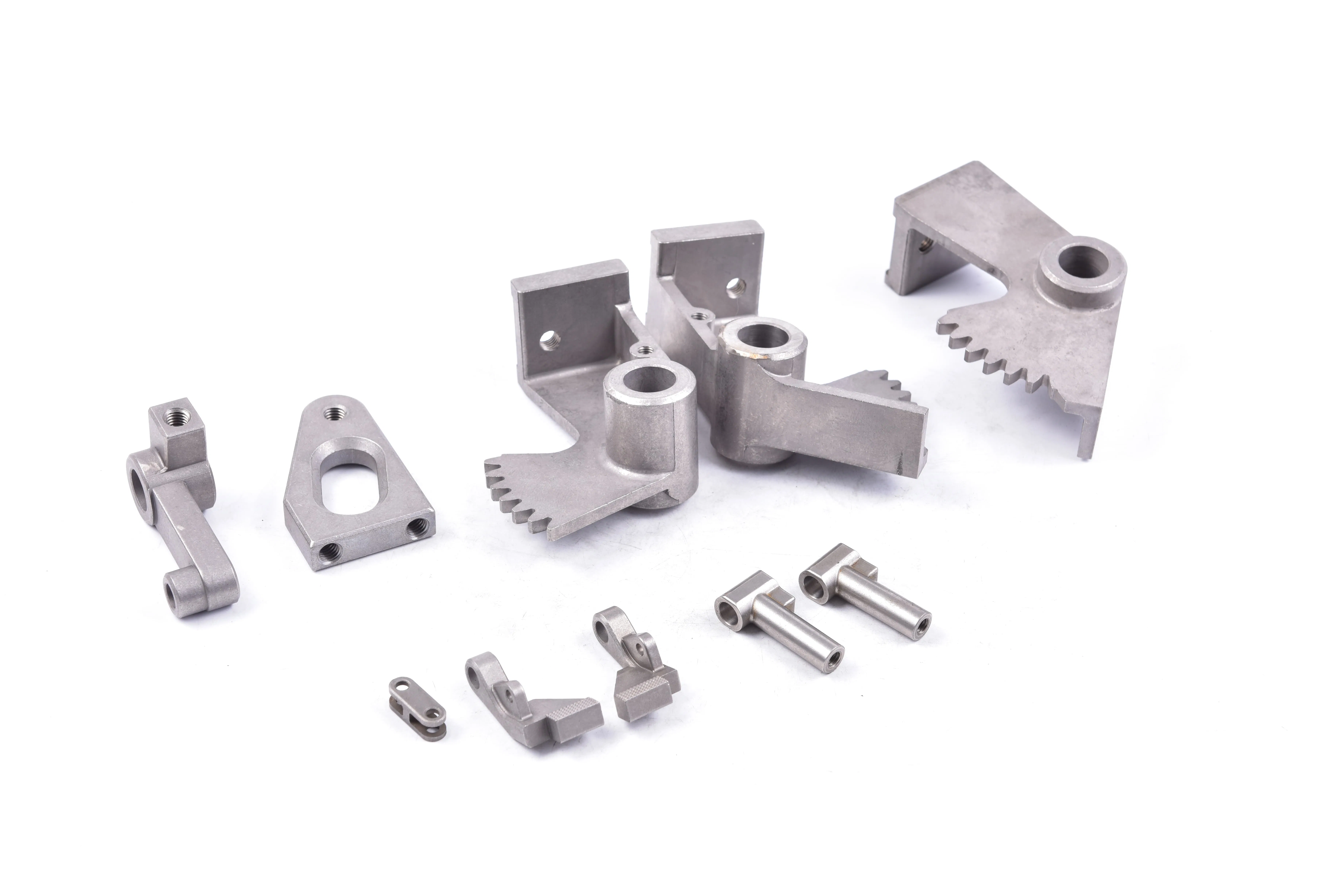
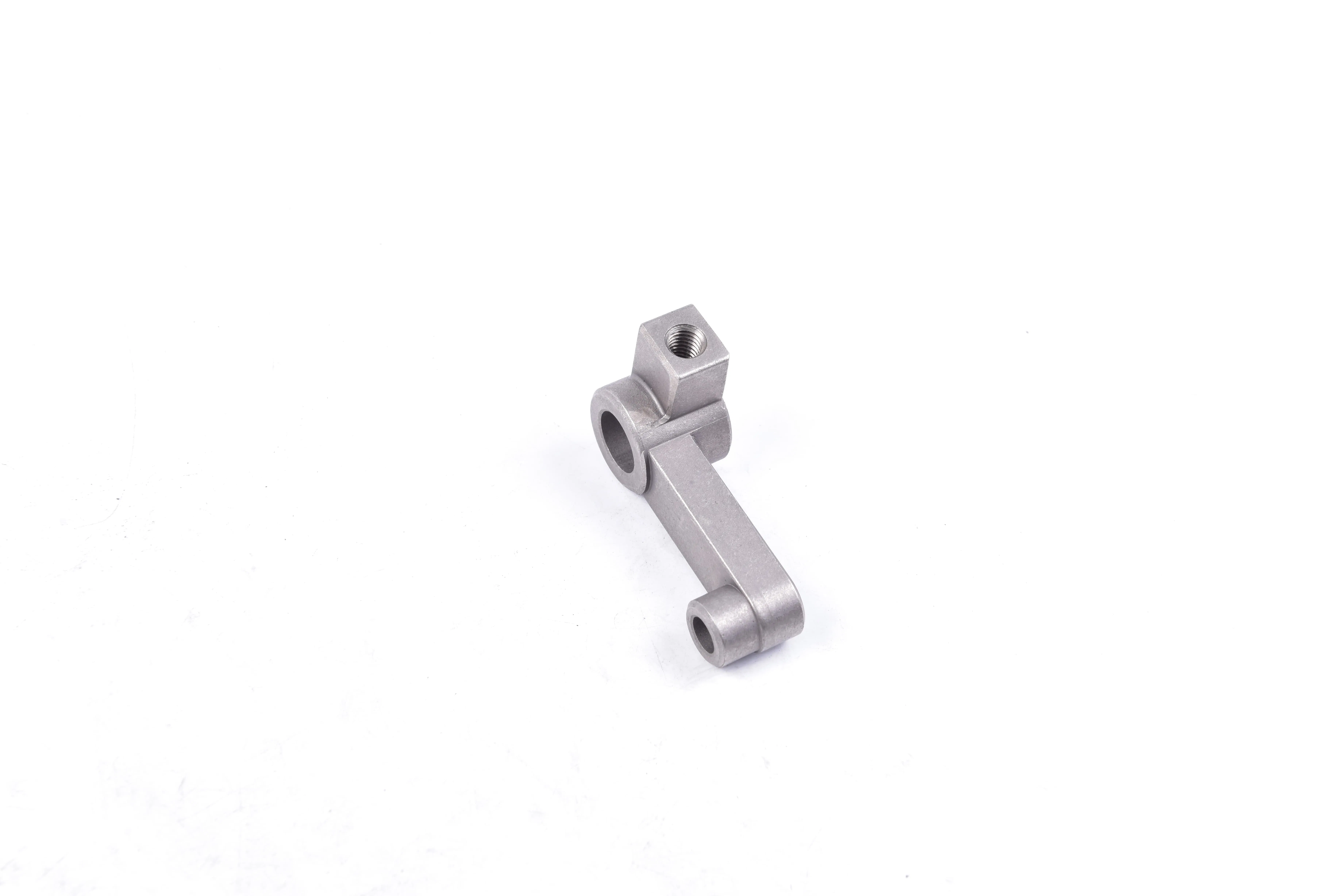
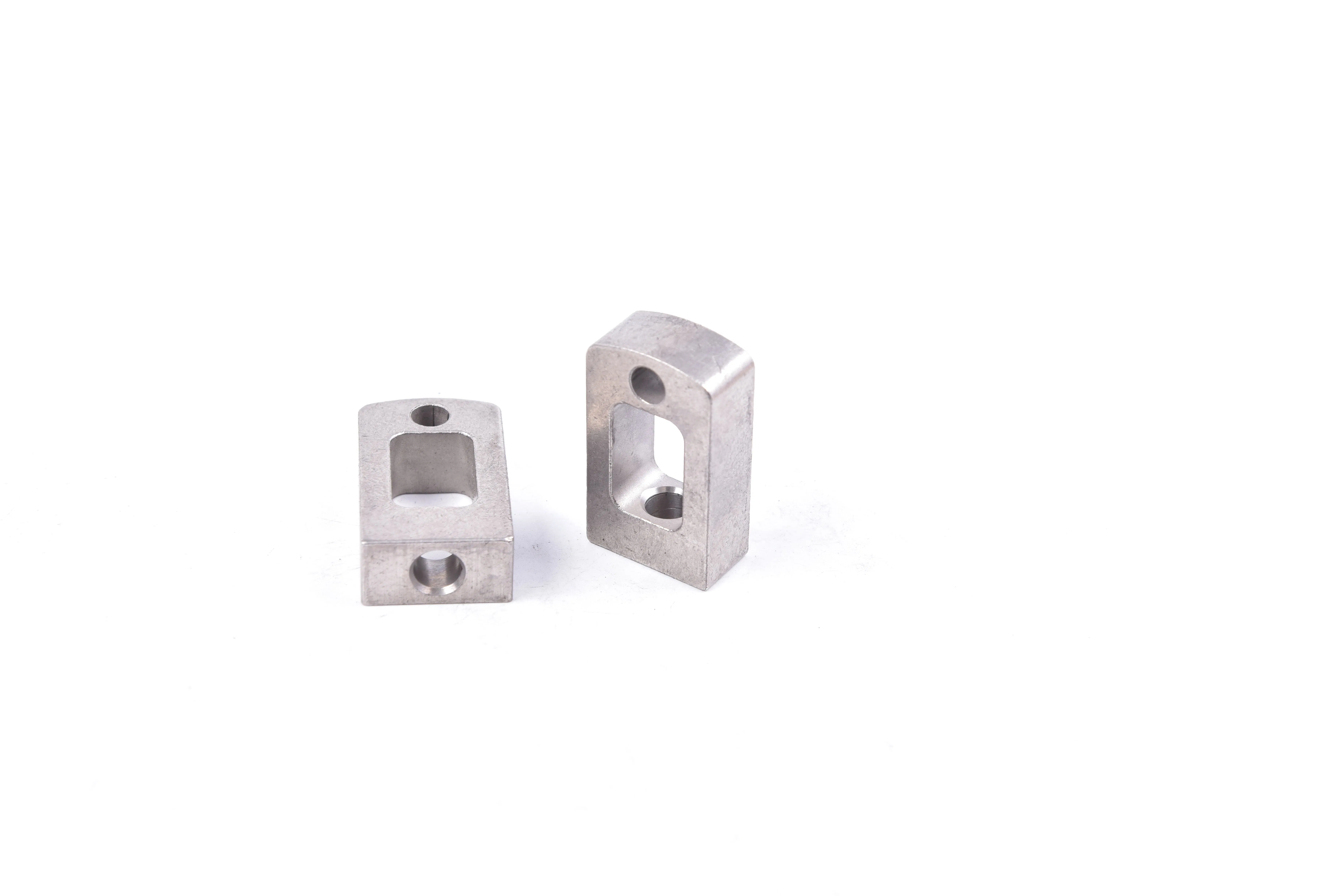
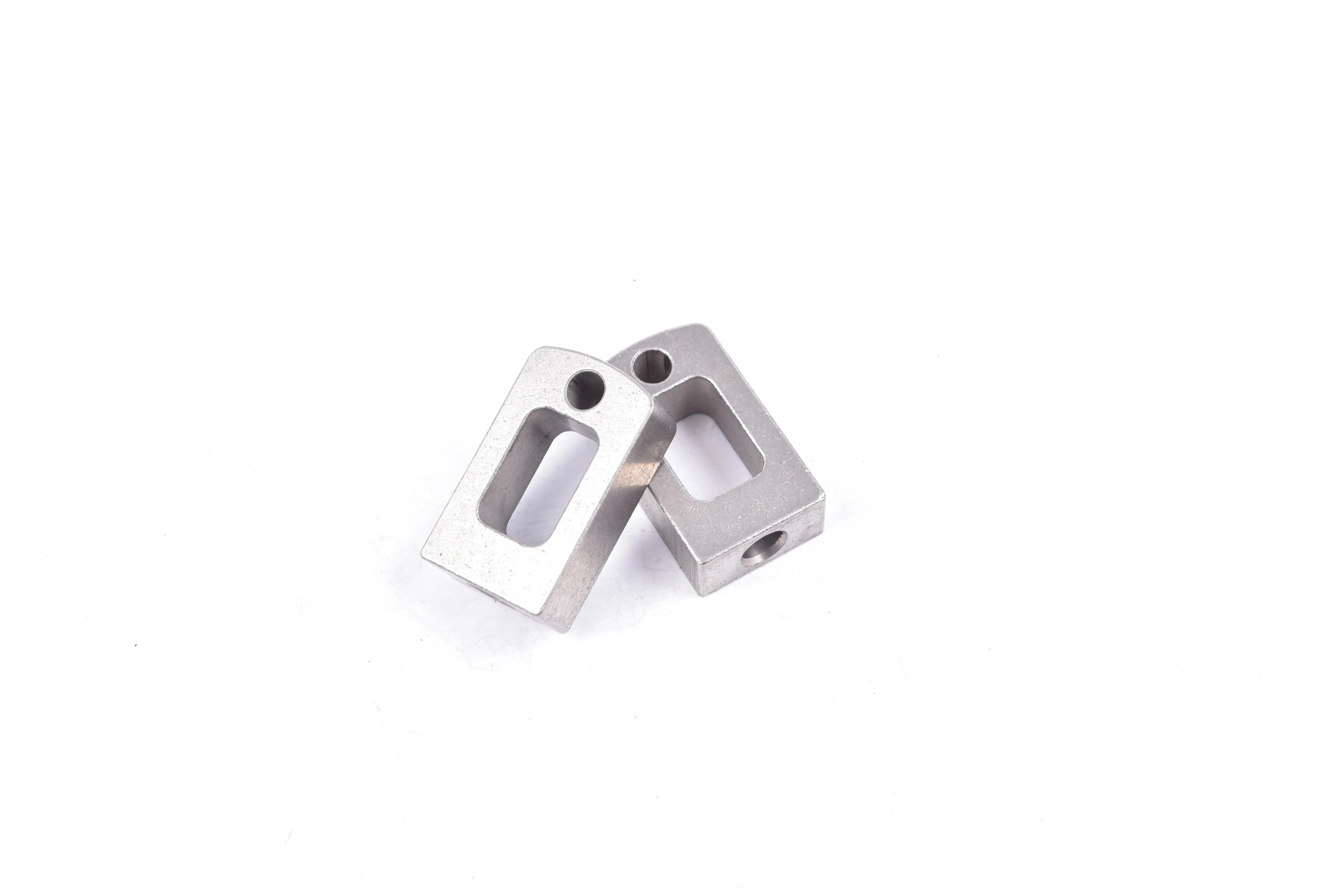
Factory Wholesale Customized Pm Powder Metallurgy Stainless Steel Fitting Structural Components
Product Description
Basic Information
Condition
New
Certification
ISO9001
Standard
ASTM
Customized
Customized
Material
Metal
Surface Treatment
High Frequency Quenching Oil Impregnation CNC
Origin
Zhejiang
Capacity
1,000,000,000 Pieces/Year
Application: Metal Recycling Machine, Metal Cutting Machine, Metal Straightening Machinery, Metal Spinning Machinery, Metal Processing Machinery Parts, Metal forging Machinery, Metal Engraving Machinery, Metal Drawing Machinery, Metal Coating Machinery.
Product Description
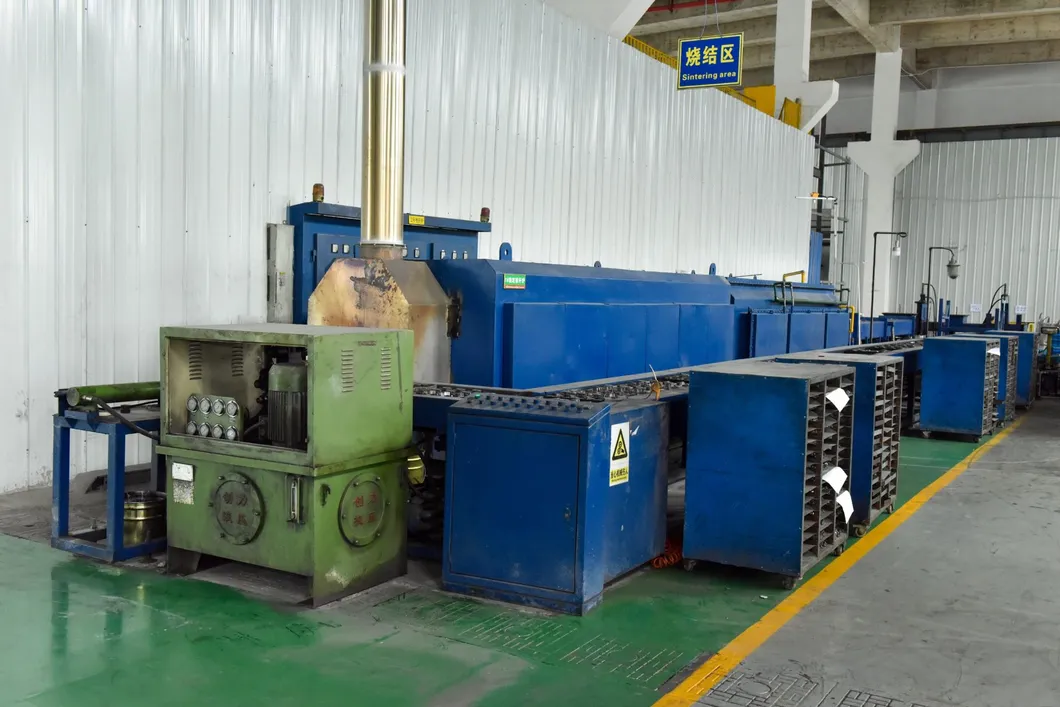
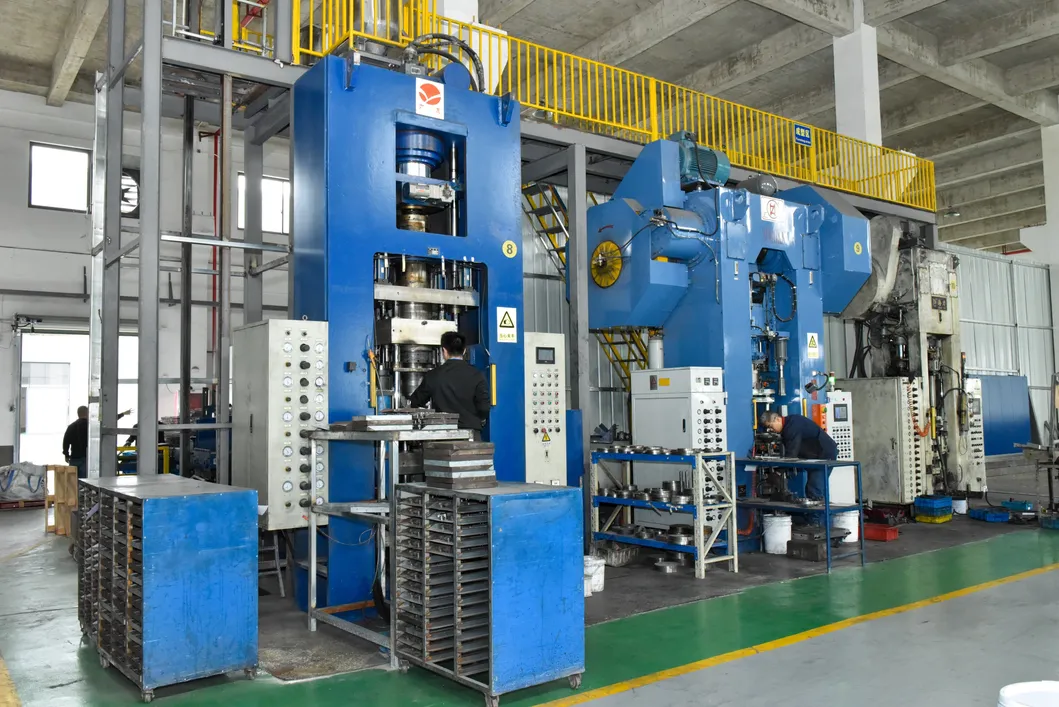
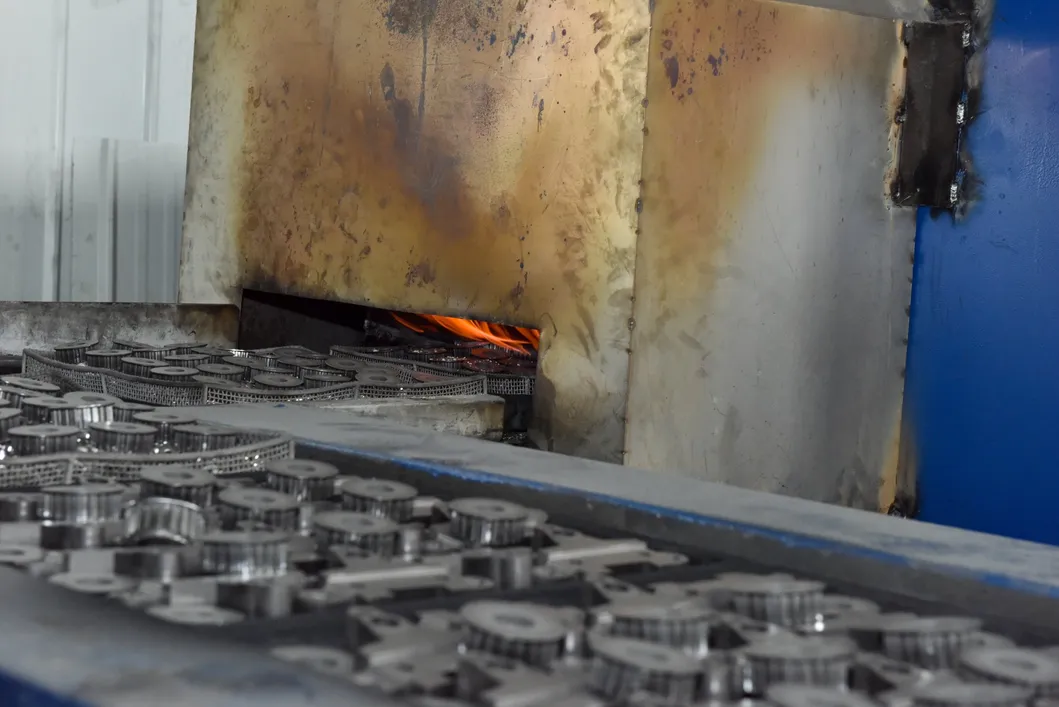
We use the metal powder forming and sintering process, combined with subsequent finishing. The gear with high strength, wear resistance and complex geometric structure is produced to meet the needs of modern transmission systems for lightweight, low noise and high efficiency.
Core Advantages
1. Material and Process Characteristics:
Diverse materials using iron, copper, stainless steel or mixed alloy powder. Near-Net Shape technology reduces machining and material waste. High density (up to 7.4 g/cm³) ensures stable mechanical properties.
Diverse materials using iron, copper, stainless steel or mixed alloy powder. Near-Net Shape technology reduces machining and material waste. High density (up to 7.4 g/cm³) ensures stable mechanical properties.
2. Performance Advantage:
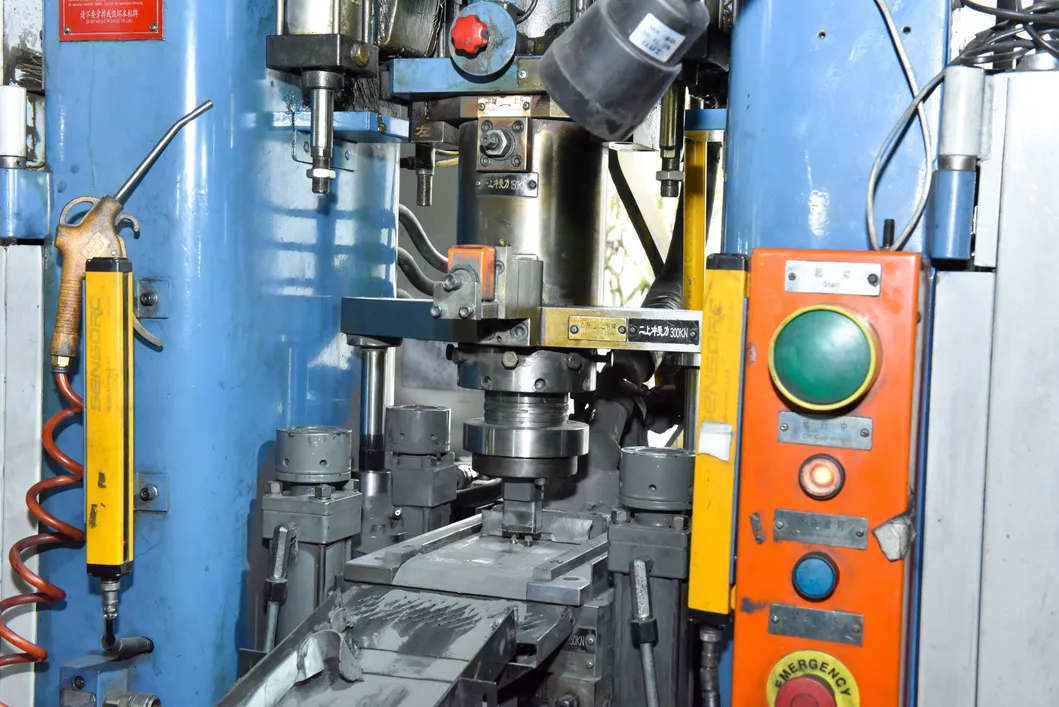
High strength tooth surface (HRC 50-60) via heat treatment. Precision mold molding ensures profile accuracy (DIN 6-8) for low noise operation. Lightweight design with self-lubrication (10-20% oil content).
High strength tooth surface (HRC 50-60) via heat treatment. Precision mold molding ensures profile accuracy (DIN 6-8) for low noise operation. Lightweight design with self-lubrication (10-20% oil content).
3. Complex Structure Adaptability:
Single-piece forming for bevel gears, internal gears, and shaped holes, surpassing traditional cutting limitations.
Single-piece forming for bevel gears, internal gears, and shaped holes, surpassing traditional cutting limitations.
Typical Application Scenarios
• Automotive Industry: Transmission gear, starter gear, oil pump gear.
• Industrial Equipment: Reducer gear, motor transmission parts.
• Consumer Electronics: Home appliance motor gear, power tool systems.
• New Energy: Electric bicycle motors, UAV power transmission.
• Industrial Equipment: Reducer gear, motor transmission parts.
• Consumer Electronics: Home appliance motor gear, power tool systems.
• New Energy: Electric bicycle motors, UAV power transmission.
Packaging & Delivery
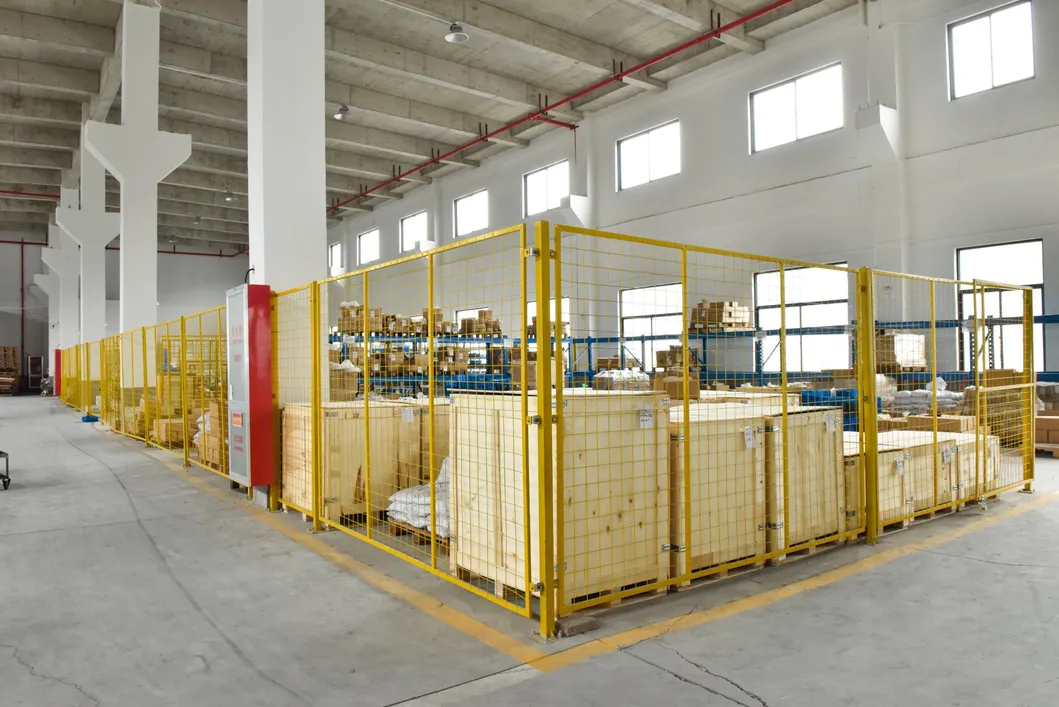
Package Size
38.00cm * 18.50cm * 10.50cm
Gross Weight
5.000kg
Transport
Carton, Pallet
Frequently Asked Questions
Q1: What materials are used in your powder metallurgy process?
A1: We utilize a variety of materials including iron, copper, stainless steel, and mixed alloy powders such as Fe-Cu-C and Fe-Ni-Mo.
Q2: Can the gear density be customized?
A2: Yes, we can achieve high densities of 7.4 g/cm³ or more through cold isostatic pressing and warm pressing.
Q3: What are the surface treatment options?
A3: Options include high-frequency quenching, oil impregnation, steam oxidation, and phosphating to enhance hardness and durability.
Q4: Are the parts suitable for low-noise applications?
A4: Absolutely. Our precision mold molding ensures DIN 6-8 profile accuracy, which results in smooth meshing and reduced vibration.
Q5: What is the typical lead time or capacity?
A5: We have a high production capacity of up to 1,000,000,000 pieces per year to support large-scale industrial needs.
Q6: Do these components require frequent lubrication?
A6: Many of our parts feature a porous structure that can contain 10-20% oil for self-lubrication, reducing maintenance requirements.