 Elite Steel
Elite Steel
Elite Steel
High-precision manufactured solutions optimized for clinical, surgical, and therapeutic settings across Namibia, ensuring absolute sterilization safety and biocompatibility.
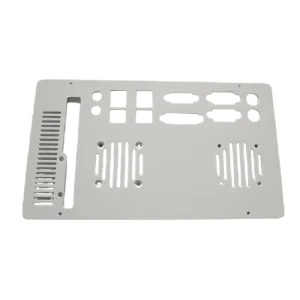
Robust protective solutions and structural frames tailored for medical imaging and telecommunication systems in Namibian clinics.
View Specifications →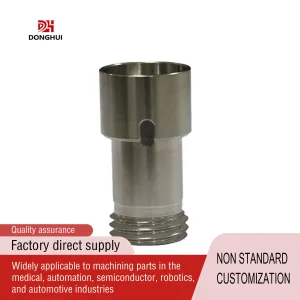
Ultra-precise machined components matching ASTM F138 requirements for invasive surgical procedures.
View Specifications →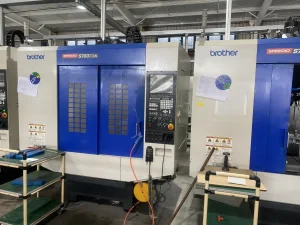
Biocompatible implantable pins, plates, and joints engineered to minimize tissue rejection risks.
View Specifications →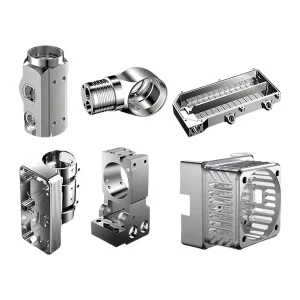
Individually tailored medical-grade components designed for unique surgical tools and operating theatre hardware.
View Specifications →In the highly regulated arena of healthcare manufacturing, the phrase medical-grade stainless steel represents much more than a product category; it stands as a baseline guarantee of biological safety, extreme mechanical performance, and chemical resistance. Traditionally dominated by grades such as AISI 316L, AISI 316LVM (Vacuum Arc Remelted), and ASTM F138, medical components demand metallurgical properties that prevent corrosion within the hostile, saline environment of the human body and withstand repeated, aggressive autoclave cycles without degradation.
For Namibia's developing healthcare market, accessing high-grade metallurgical components is critical. The country is systematically modernizing its clinical infrastructure under national health plans, transitioning from basic healthcare structures to advanced specialized institutions, such as the Lady Pohamba Private Hospital in Windhoek and public tertiary facilities. Historically, Namibia has relied heavily on imported medical devices from neighboring South Africa or European markets. Today, direct procurement routes established with leading global metallurgical manufacturers like Foshan Elite Steel CO., LTD provide Namibian distributors, biomedical engineers, and medical device manufacturers with direct access to customizable, high-precision components, significantly lowering supply-chain overhead while enhancing patient care capabilities.
Namibia's medical supply chain is undergoing structural shifts. Major cities like Windhoek, Walvis Bay, Swakopmund, and Ondangwa are witnessing rising demands for surgical instruments, implantable devices, and laboratory diagnostics infrastructure. Additionally, the mining sector (uranium, diamonds, and gold) operates extensive on-site trauma centers requiring resilient, sterile clinical components that can endure harsh outdoor environments without rusting or failing.
From a regulatory standpoint, the Namibian Medicines Regulatory Council (NMRC) is intensifying its oversight of medical devices. Importers must verify the exact material trace records of any component utilized in surgical or diagnostic workflows. Materials such as 316LVM are mandatory for implantables due to their low nickel sensitization profiles, preventing chronic inflammatory responses in patients. By utilizing certified metallurgical supplies that feature full chemical and physical trace documentation, Namibian healthcare providers protect their patients and guarantee compliance with evolving SADC health standards.
Ensuring medical efficacy requires detailed control of the mechanical and metallurgical profiles of the stainless steel components. The following specifications outline the operational matrix of our medical components:
Explore our specialised medical hardware solutions designed to support surgeons and healthcare facilities across Namibia.
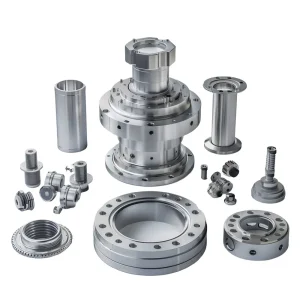
Ergonomically balanced, wear-resistant steel components designed for reusable forceps, clamps, and scalpels.
View Technical Specs →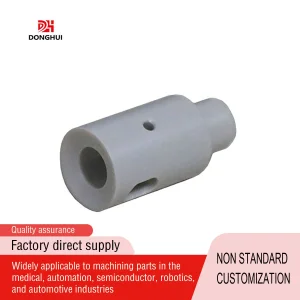
Complex, multi-axis machined parts offering immaculate dimensional consistency for high-stress applications.
View Technical Specs →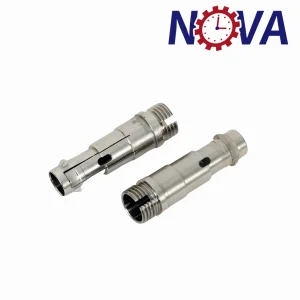
Engineered components built to handle biological fatigue and structural loads in skeletal repair.
View Technical Specs →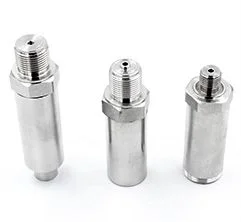
Ultra-fine micro hardware produced via Swiss sliding headstocks, ideal for complex endoscopic parts.
View Technical Specs →In Namibia's import-driven market, reliability of delivery is as important as material specifications. Sourcing medical-grade components requires careful coordination to avoid project delays in clinical infrastructure rollouts. Foshan Elite Steel CO., LTD addresses these challenges by offering a structured export pathway that directly connects our Chinese manufacturing center to Namibian ports of entry, such as the Port of Walvis Bay. This shipping route bypasses traditional intermediate European transit hubs, drastically reducing lead times and handling costs.
Additionally, we provide comprehensive documentation for import clearances. Every consignment of medical-grade stainless steel components is delivered with Mill Test Reports (MTRs), chemical composition analysis certificates, and mechanical testing profiles. This guarantees that whether you are supplying Windhoek Central Hospital or outfitting specialized regional clinics in Erongo, the components arrive with the exact paperwork required by national customs and medical inspectors.
Surgical-grade stainless steel must retain its passivation layer to remain corrosion-resistant. During high-speed machining, structural carbon or tool residues can deposit onto the component surfaces. If left untreated, these particles can cause localized galvanic corrosion and tissue irritation.
Our technical roadmap resolves this via an advanced double-passivation protocol:
1. Ultrasonic Degreasing: Components are placed in automated ultrasonic baths containing specific biocompatible cleaning solutions to clear oils and fine debris from complex geometries and internal channels.
2. Acid Passivation: Utilizing controlled nitric or citric acid solutions conforming to ASTM A967 parameters, we selectively dissolve free iron from the surface layers, forcing a chrome-dense passive oxide layer to form naturally.
3. Spectrometry Analysis: Random batch testing via energy-dispersive X-ray spectroscopy (EDS) verifies that the Chromium-to-Iron ratio on the active surface exceeds the 1.5:1 baseline, confirming long-term passivation stability.
A complete selection of medical-grade component designs, custom cast products, and advanced robotics hardware available for rapid fulfillment.
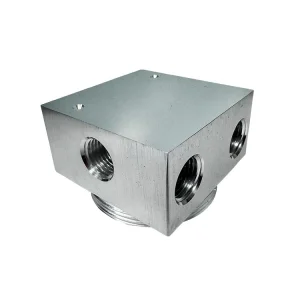
Advanced turning and milling for sterile-grade metal valves, fittings, and diagnostic enclosures.
Request Pricing →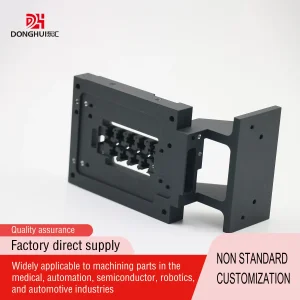
Customized components built according to client blueprints for patient monitoring gear and fluid management units.
Request Pricing →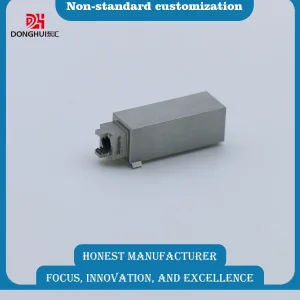
High-grade parts built for laboratory diagnostic environments, showcasing chemical-resistant structures.
Request Pricing →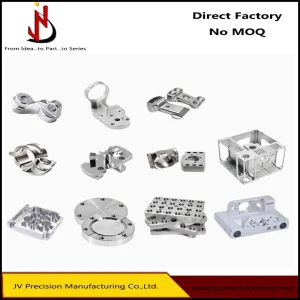
Ultra-lightweight and strong hardware for surgical positioning systems and robotic joints.
Request Pricing →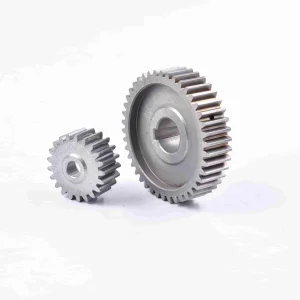
Powdered metal components offering internal lubrication and self-lubricating micro-bearings.
Request Pricing →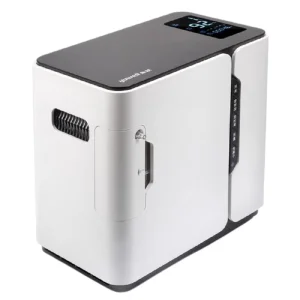
Extremely detailed castings for pre-production clinical validation trials and prototype testing.
Request Pricing →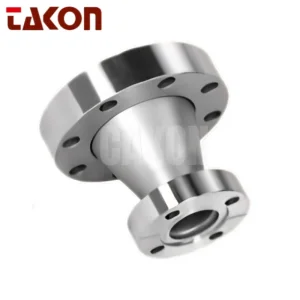
Guaranteed food-and-drug contact safe components designed for clean fluid and dosage systems.
Request Pricing →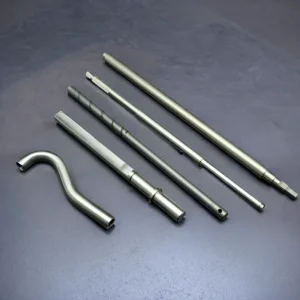
Milled surgical handles, drill guides, and bone-screws built to withstand high torque forces.
Request Pricing →Foshan Elite Steel CO., LTD is located in the central and eastern part of China, and we export a large amount of steel products overseas every year. Over the last decade, we have established ourselves as a major supplier of carbon steel, stainless steel, aluminum, and copper products. The company features a dedicated mechanical processing factory designed to handle complex fabrication requirements. We support a series of mechanical processing operations such as steel plate cutting, steel plate bending, round steel forging, and welding, allowing us to guarantee excellent product quality and dependable delivery times.
Our company has a long history of steel sales and maintains solid relationships with customers around the world. The buyers we have worked with have consistently given us positive reviews. This support from our customers drives our focus on service and quality. Serving our customers is our primary mission, and we continue to improve our processing systems to meet the strict demands of the global medical, scientific, and industrial sectors.
Technical answers to key questions about sourcing and utilizing medical-grade stainless steel components in Namibia.
316LVM is a low-carbon, Vacuum Arc Remelted (VAR) version of 316L. The remelting process eliminates non-metallic impurities, resulting in a cleaner material structure. This yields superior corrosion resistance, high fatigue strength, and excellent biocompatibility, making it the preferred standard for implantable devices, whereas standard 316L is typically used for surgical instruments and external components.
Every shipment is delivered with comprehensive Mill Test Reports (MTRs) and material analysis certificates. We track material batches from initial casting to final machining and packaging. This allows Namibian importers to trace components back to the metallurgical melt, complying with NMRC and SADC health guidelines.
Yes. Our processing facility supports advanced CNC milling, Swiss-turning, casting, bending, and specialized welding operations. We work from your CAD models and blueprints to manufacture custom components with tolerances up to ±0.005mm, fitting specialized clinical and laboratory applications.
We arrange ocean shipping from major Chinese ports directly to the Port of Walvis Bay in Namibia, avoiding typical intermediate transit hubs to reduce delivery times. Air freight options are also available for urgent medical device prototypes or small component orders, shipping to Hosea Kutako International Airport in Windhoek.
Our medical-grade steels (such as 316L and 316LVM) are chosen for their ability to withstand steam sterilization and autoclaving. The passivation process creates a protective chromium oxide layer that prevents oxidation and corrosion, ensuring the components remain stable and safe through multiple autoclave cycles.
Our manufacturing and processing partners operate in compliance with ISO 9001 and ISO 13485 quality systems. We manufacture components to match recognized global specifications, including ASTM F138 for implants and ASTM A967 for passivation treatment.
Connect with our expert engineering team for detailed technical consultations, material samples, and custom pricing configurations tailored for your Namibian operations.
Send Inquiry Now