Elite Steel
Elite Steel
Elite Steel
Engineered for immediate clinical, diagnostic, and telemetry deployments serving regional hubs including Kaédi.
Kaédi, serving as the critical administrative capital of the Gorgol Region in Mauritania, stands as an essential healthcare conduit for Southern Mauritania and the Senegal River Valley. Regional institutions like the Centre Hospitalier de Kaédi require resilient, clinical-grade infrastructure. Yet, the local environment presents extreme physical challenges: hot, dry Saharan winds (Harmattan), high airborne silica concentrations, and volatile seasonal humidity.
Standard metallic materials succumb rapidly to stress corrosion cracking (SCC) and localized pitting in such environments. For surgical instruments, diagnostic equipment frames, and orthopedic structural assemblies, the selection of materials processed through strict Vacuum Arc Remelting (VAR) or electropolishing is not merely a premium choice—it is a baseline clinical necessity. Our custom medical-grade stainless steel assemblies (specifically conforming to ASTM F138 316LVM specifications) address these vulnerabilities directly, ensuring zero microstructural failure.
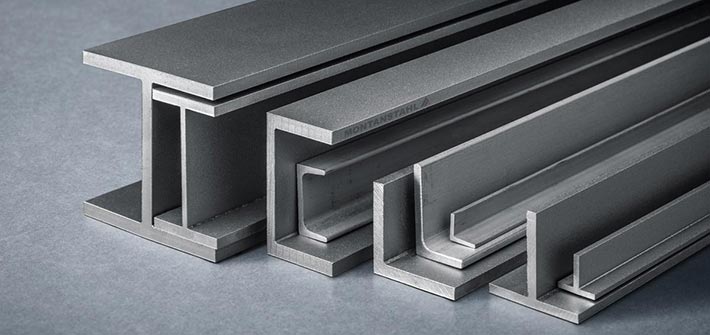
An authoritative review comparing surgical-grade stainless steels and titanium alloys for critical health installations.
| Alloy Specification | Metallurgical Composition Highlight | Best Suited Application (Kaédi Region) | Corrosion Resistance Level |
|---|---|---|---|
| ASTM F138 (316LVM) | Fe-18Cr-14Ni-3Mo (Vacuum Arc Remelted) | Intramedullary Nails, Bone Screws, Orthopedic Tools | Exceptional (Extremely low inclusion rate) |
| Grade 316L | Fe-17Cr-12Ni-2.5Mo (Low Carbon) | Surgical Trays, Medical Imaging Scanners, Stethoscopes | Very High (Standard clinical environments) |
| Grade 420/440C | High-carbon Martensitic Stainless Steel | Scalpels, Forceps, Osteotomes (Retains cutting edge) | Moderate (Requires meticulous dry autoclave) |
| Ti-6Al-4V ELI (Grade 5) | Titanium Alloy (Extra Low Interstitials) | Permanent Bone Implants, Joint Replacements | Ultimate (Full bio-integration) |
How Foshan Elite Steel CO., LTD utilizes advanced manufacturing techniques to support West African health infrastructures.
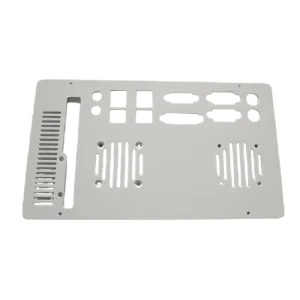
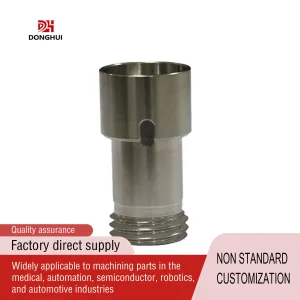
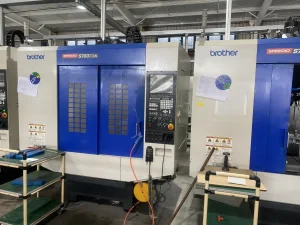
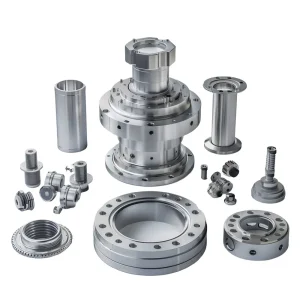
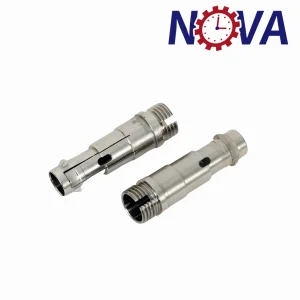
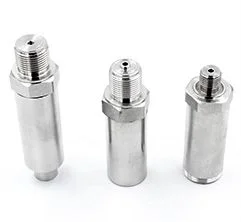
Utilizing high-precision Swiss-type lathes and 5-axis vertical machining centers. We hold critical tolerances down to ±0.005mm, which ensures consistency in mechanical assemblies like endoscopic components and fluid regulatory valves.
Every batch of medical-grade steel is backed by complete mill test certificates (MTC) conforming to EN 10204 3.1. We perform ultrasonic inspection to screen out voids, inclusions, or chemical segregation before raw materials reach the shop floor.
From our manufacturing hub in Southern China (Foshan), we manage optimized transit paths via Shenzhen and Guangzhou ports directly to the Port of Nouakchott. We facilitate overland transit to Kaédi, mitigating typical West African port delays.
Procuring medical-grade hardware in Mauritania demands a balance of cost-efficiency and quality. While basic grade 304 stainless steel is common in architectural and light industrial contexts, it lacks the required resistance for clinical use in sterile fields.
We customize products to fit local hospital budgets. By optimizing our machining feed rates, nesting patterns, and material yields, we provide competitive terms for global distributors. Whether sourcing surgical tools or structural plates for field clinic construction in rural Mauritania, our engineering team works with local agencies to ensure components perform in harsh conditions.
Answering technical questions from clinical engineers, hospital procurement officers, and medical distributors.
While both materials share similar basic compositions, 316LVM is processed via Vacuum Arc Remelting (VAR). This step eliminates microscopic non-metallic inclusions, improving mechanical reliability and biocompatibility. In critical implant applications, 316LVM reduces risk of fatigue cracking and local tissue reaction.
High airborne dust and humidity cycles accelerate crevice corrosion. Basic ferritic and martensitic steels can fail if dust particles lodge in joints. 316L and 316LVM alloys, treated with chemical passivation (per ASTM A967), form a stable chromium-oxide layer that resists degradation from regional environmental factors.
Sellers must provide ISO 13485 (Medical Devices Quality Management) and material mill test certificates (MTC). These verify composition limits for carbon, phosphorus, sulfur, and nitrogen under ASTM F138 and ISO 5832-1 standards.
Custom manufacturing takes 15 to 30 days depending on part complexity. Sea freight from Shenzhen to Nouakchott takes about 35 to 45 days. Inland transport from Nouakchott to Kaédi via the Route de l'Espoir is handled within 5 to 7 days, using protective packaging to prevent moisture and dust exposure.
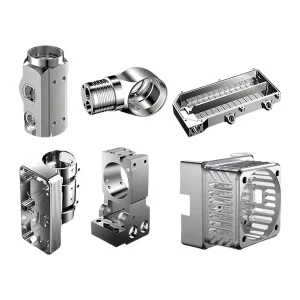
Comprehensive metallurgical products supporting clinical infrastructure, diagnostic labs, and precision medical tooling.
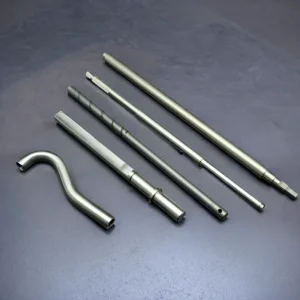
Complete product range featuring Swiss-machined pins, high-precision surgical instruments, and custom hardware.
Located in the central and eastern part of China, Foshan Elite Steel CO., LTD exports a large amount of steel products overseas every year. We provide carbon steel, stainless steel, aluminum, and copper products.
Our mechanical processing factory supports a series of operations including steel plate cutting, steel plate bending, round steel forging, welding, and high-precision CNC milling. We maintain strict control over quality, tolerances, and delivery times to meet international standards.
Over the years, we have built a diverse global customer base. The positive feedback we receive from our buyers highlights our commitment to product quality and customer service.
Get Technical Specifications Sheet
Connect with our technical sales team for material certifications, component pricing, and shipping logistics to Kaédi and the wider West African region.
Send Inquiry Now