Elite Steel
Global Status of Corrosion-Resistant Piping Solutions
In the contemporary industrial landscape, corrosion-resistant stainless steel fittings have transitioned from specialized components to fundamental infrastructure requirements. As global industries push into more extreme environments—ranging from deep-sea oil exploration to ultra-pure pharmaceutical manufacturing—the demand for materials that can withstand aggressive chemical reactions, oxidation, and high-salinity atmospheres has reached an all-time high.
The global market for stainless steel fittings is currently witnessing a significant shift. No longer is 304 stainless steel the sole standard; engineers are increasingly specifying high-molybdenum alloys like 316L and 904L, as well as Duplex and Super Duplex grades (such as S32750). These materials offer superior pitting resistance and mechanical strength, which are essential for long-term operational safety and reduced maintenance costs in large-scale projects across North America, Europe, and the Middle East.
Ensuring longevity in saltwater environments.
Resistance against acidic and caustic media.
Crucial for offshore and refinery pipelines.
Desalination and waste-water management.
Super Austenitic Solutions: S31254 Grade
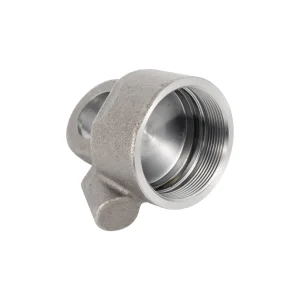
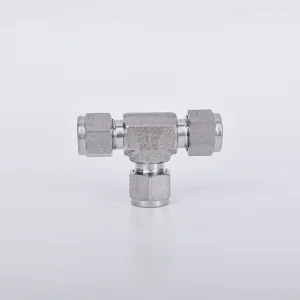
Our S31254 (6-moly) stainless steel tube fittings are engineered specifically for environments with high chloride concentrations. These fittings offer exceptional resistance to pitting and crevice corrosion, making them the gold standard for seawater applications and bleaching plants in the pulp and paper industry.
Designed with precision CNC machining, these fittings ensure a leak-proof seal even under extreme pressure, providing a reliable bridge between efficiency and safety.
Evolving Trends in the Stainless Steel Fitting Industry
The corrosion-resistant hardware sector is undergoing a massive transformation driven by technological innovation and environmental regulations. One of the most prominent trends is the move toward Smart Manufacturing. By integrating IoT sensors into piping systems through specialized "Smart Fittings," companies can now monitor corrosion levels in real-time, preventing catastrophic failures before they occur.
Furthermore, sustainability is no longer optional. Modern exporters are focusing on the "Circular Economy," utilizing high percentages of recycled stainless steel without compromising the structural integrity or corrosion resistance of the final product. This green shift is particularly influential in the European market, where the carbon footprint of construction materials is strictly audited.
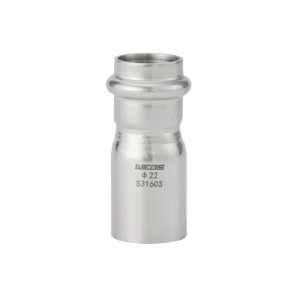
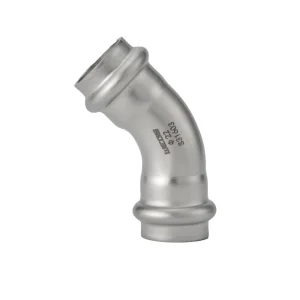
Another key trend is the adoption of V-Profile Press Fittings. These offer a weld-free installation method that significantly reduces labor time and fire hazards on-site, particularly in retrofitting old naval vessels or chemical facilities where open flames are prohibited.
Addressing Global Procurement Challenges
Procurement officers today face a complex set of challenges. Price volatility in nickel and molybdenum—key components of stainless steel—makes long-term budgeting difficult. Consequently, buyers are increasingly looking for reliable direct-from-factory suppliers who can offer price stability through bulk inventory management.
Quality compliance is another critical pillar. For an exporter to succeed globally, they must adhere to international standards such as:
- ASTM/ASME: Standard specifications for pipe fittings in North America.
- EN/DIN: Essential for the European industrial market.
- ISO 9001: Ensuring consistent manufacturing quality and traceability.
As a leading supplier, we understand that "Time is Money." Global clients now demand faster lead times and transparent logistics. Our strategically located warehouse and integrated supply chain allow us to minimize shipping delays to major hubs like Dubai, Singapore, Rotterdam, and Houston.
High-Strength Duplex S32750 Fittings
When standard 316L isn't enough, our Duplex S32750 (2507) fittings provide the ultimate solution. With a higher chromium and molybdenum content, these fittings offer nearly double the mechanical strength of austenitic steels and extraordinary resistance to stress corrosion cracking.
Ideal for high-pressure chemical reactors and offshore oil platforms, these fittings reduce the overall weight of the piping system while extending the service life by decades.
Localized Application & Extreme Scenarios
The versatility of corrosion-resistant stainless steel fittings allows them to solve unique problems across different geographies:
1. Middle East Desalination: In the arid regions of the UAE and Saudi Arabia, desalination plants turn seawater into potable water. The high brine concentration requires fittings made of Super Duplex or High-Nickel alloys to prevent rapid erosion.
2. Southeast Asian Coastal Infrastructure: Bridge construction and coastal energy plants in Indonesia and Vietnam face high humidity and salt spray. Using 316L fittings ensures that structural connectors do not degrade, preventing costly repairs in remote locations.
3. Nordic Food & Dairy Industry: In Norway and Denmark, strict hygiene standards require fittings that can withstand aggressive "Clean-in-Place" (CIP) chemicals. Our polished stainless steel fittings provide a smooth surface that prevents bacterial growth while resisting acidic cleaning agents.
Why Source from Our China-Based Factory?
Foshan Elite Steel CO., LTD represents the pinnacle of Chinese industrial capability. Sourcing directly from our factory offers distinct advantages that help your business stay competitive:
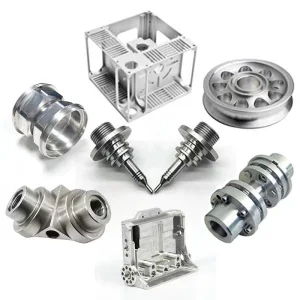
- Integrated Manufacturing: Unlike trading companies, we have our own mechanical processing facility. This means we control every step from steel plate cutting and bending to round steel forging and final welding.
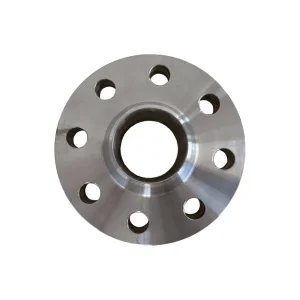
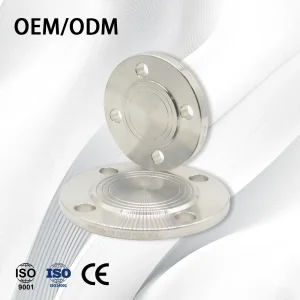
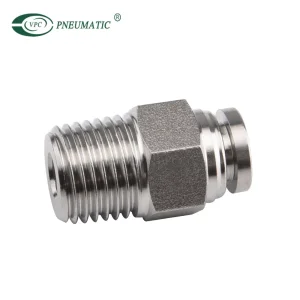
- Customization (OEM/ODM): We specialize in CNC machining. Whether you need a custom-dimensioned flange or a unique threaded connector, our engineers can translate your technical drawings into high-precision reality.
- Cost Efficiency: Located in the heart of China's steel hub, we leverage local material access and optimized production workflows to offer premium quality at factory-direct pricing.
- Quality Assurance: Every export batch undergoes rigorous testing, including hydrostatic pressure tests and material composition analysis (PMI), ensuring what you receive matches your exact specifications.
About Foshan Elite Steel CO., LTD
Foshan Elite Steel CO., LTD is located in the central and eastern part of China, and we export a large amount of steel products overseas every year.
We provide carbon steel, stainless steel, aluminum, and copper products. The company has a mechanical processing factory that can process products. We support a series of mechanical processing operations such as steel plate cutting, steel plate bending, round steel forging, welding, etc. We guarantee product quality and delivery time.
The company has a long history of steel sales and has customers all over the world. The buyers we have worked with have consistently given us positive reviews. The positive affirmation from the customer is our greatest support. Serving customers is our consistent principle.