The stainless steel market presents a complex landscape, particularly when examining Why some stainless steel products are more expensive. As reported by the International Stainless Steel Forum (ISSF), the price of stainless steel can vary significantly due to factors such as alloy composition, manufacturing processes, and brand reputation. High-quality grades, like 316 stainless steel, often come with a premium price tag due to their enhanced corrosion resistance and durability.
Market analysis from MetalMiner indicates that approximately 70% of stainless steel pricing is influenced by raw material costs, which can fluctuate based on global supply chain issues. Additionally, companies that invest in cutting-edge manufacturing technologies tend to produce products that justify higher prices. However, not all expensive products guarantee superior quality. Some may capitalize on branding rather than function.
This discrepancy prompts reflection on purchasing decisions. Consumers must discern the balance between cost and value. Understanding Why some stainless steel products are more expensive can aid in making informed choices, ensuring that buyers invest wisely without falling prey to inflated prices just because of a label.
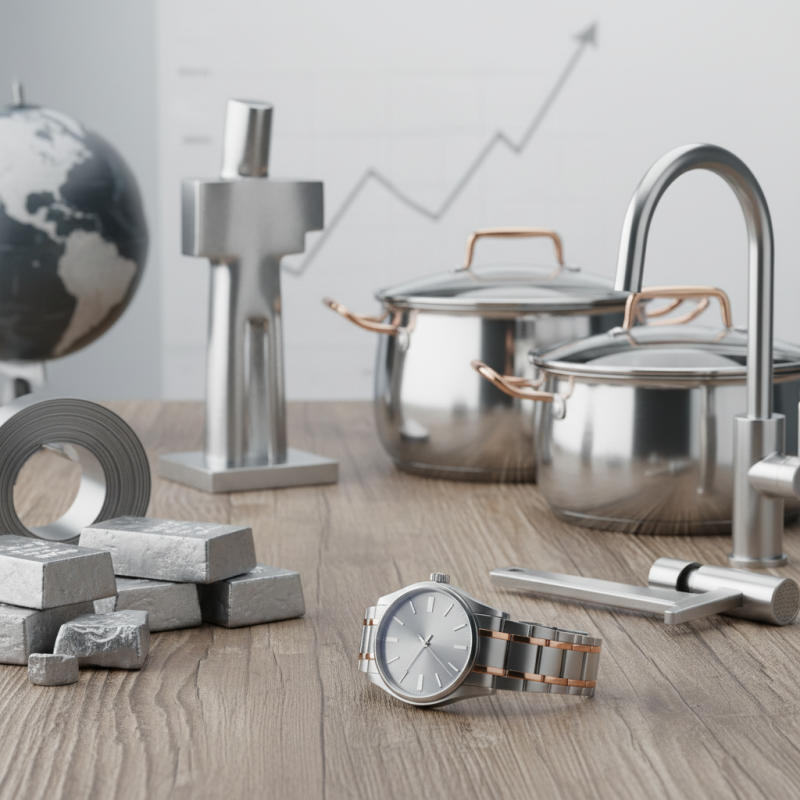
Factors Influencing the Cost of Stainless Steel Products
The cost of stainless steel products can vary widely. Several key factors influence these prices. Material composition plays a crucial role. Stainless steel is often alloyed with nickel, chromium, and molybdenum. These elements enhance corrosion resistance and durability, but they also impact cost. For example, as of 2023, nickel prices have fluctuated between $8 and $10 per pound. Such volatility affects overall pricing.
Manufacturing processes further contribute to expenses. Different techniques, such as cold working or welding, demand varying levels of labor and energy. According to a recent industry report, energy costs account for up to 25% of production expenses in some regions. This figure raises questions about sustainability and efficiency in production.
Market demand cannot be overlooked. As industries increasingly adopt stainless steel for its longevity, supply chains face pressure. Reduced availability raises prices. Companies must adapt to these market conditions, often resulting in higher end-user costs. With growing environmental concerns, the recycling of stainless steel is gaining traction. Still, the process requires significant investments, which can affect price stability.
Comparison of Different Types of Stainless Steel Alloys
Stainless steel alloys come in various types, each with distinct properties that affect their cost. The main alloying elements are chromium and nickel. Chromium gives stainless steel its corrosion resistance, while nickel enhances its strength and ductility. Higher concentrations of these elements can lead to more expensive alloys.
For example, austenitic stainless steels, like 304 and 316, contain significant nickel. These grades are widely used in kitchen appliances and medical equipment due to their durability. The cost reflects their higher nickel content and superior performance. In contrast, ferritic stainless steels, which have lower nickel and chromium, are less expensive. They are often used in automotive parts but may not resist corrosion as well.
Some buyers may not fully appreciate the differences in alloy content and quality. This can lead to underestimating the value of investing in higher-grade stainless steel. Additionally, it is essential to consider usage scenarios. Lower-cost options might seem attractive, but they may fail in demanding environments, leading to higher long-term costs. Consumers should evaluate their specific needs before making decisions based on price alone.
Comparison of Stainless Steel Alloys Pricing
This chart represents the price comparison of different stainless steel alloys per ton. Various alloys are used for their specific properties and applications, leading to variation in pricing.
The Role of Manufacturing Processes in Pricing
Stainless steel products vary greatly in price due to different manufacturing processes. Each method directly impacts the quality, durability, and ultimately, the cost of the final product. For instance, forged stainless steel undergoes intense heat and pressure. This process produces a stronger and more durable material, justifying its higher price tag.
On the other hand, products made through simpler methods may not perform as well. They might look similar on the surface but could lack strength or resistance to corrosion. A lower price can be tempting, yet it often reflects lesser quality. Consumers should be aware that a cheap option may require frequent replacements, leading to higher costs in the long run.
Quality control during manufacturing is also a factor. Stringent quality checks ensure consistency and reliability in stainless steel products. However, not all manufacturers adhere to strict standards. Choosing a product based on its manufacturing process can lead to smarter purchasing decisions. It's crucial to recognize that understanding these processes enriches consumer knowledge.
Impact of Brand Reputation on Stainless Steel Pricing
Brand reputation plays a crucial role in the pricing of stainless steel products. Consumers often associate established brands with superior quality and reliability. According to a recent industry report, companies with strong brand identities can charge up to 20% more than lesser-known competitors. This premium pricing reflects the perceived value and trust that consumers place in these brands.
Moreover, the production process and material sourcing can vary significantly across brands. Reputable manufacturers often use high-grade materials and advanced technology, ensuring durability and performance. A study by the International Stainless Steel Forum indicates that about 70% of consumers believe that a reputable brand provides a better warranty and customer service. This perception affects buyer decisions and drives prices higher.
Tips: When selecting stainless steel products, consider not only the price but also the brand reputation. Look for third-party reviews and certifications that indicate quality. Investing in reputable brands may lead to better long-term satisfaction and value. Always research the materials to understand their sustainability and performance benefits.
Why Are Some Stainless Steel Products More Expensive? - Impact of Brand Reputation on Stainless Steel Pricing
| Product Type |
Average Price ($) |
Brand Reputation Level |
| Stainless Steel Cookware Set |
200 |
High |
| Stainless Steel Sink |
150 |
Medium |
| Stainless Steel Flatware Set |
75 |
High |
| Stainless Steel Water Bottle |
25 |
Low |
| Stainless Steel Appliances |
1200 |
High |
| Stainless Steel Jewelry |
50 |
Medium |
| Stainless Steel HVAC Ducting |
400 |
Medium |
Market Demand and Supply Dynamics Affecting Costs
The pricing of stainless steel products is heavily influenced by market dynamics. Demand fluctuations play a critical role in driving costs. According to a recent market report by an industry analyst firm, the demand for stainless steel in construction and automotive sectors is projected to increase by 5% annually. This rise in demand often outpaces supply, leading to price hikes.
Supply constraints can arise from various factors, including production limits and raw material availability. A research study indicated that the ongoing geopolitical tensions have impacted nickel, a key component in stainless steel, causing prices to surge. In 2022, nickel prices increased by over 70%, directly affecting stainless steel costs. This volatility complicates purchasing strategies for businesses.
Moreover, not all stainless steel is created equal. Variations in quality and grade can also lead to price discrepancies. Premium grades, which offer higher resistance to corrosion and heat, demand higher prices. The International Stainless Steel Forum reported that specialty grades accounted for 35% of total stainless steel sales in 2021, indicative of market preferences for better materials. Buyers must navigate these complexities, weighing price against quality and performance.
FAQS
: The main alloying elements are chromium and nickel. Chromium provides corrosion resistance, while nickel enhances strength and ductility.
Austenitic stainless steels, like 304 and 316, contain higher nickel content. This results in better durability for appliances and medical equipment.
Different manufacturing processes impact quality and durability. Processes like forging create stronger materials, justifying higher prices.
Lower-cost options may lack strength and corrosion resistance. They can lead to higher long-term replacement costs.
Fluctuations in demand, especially in construction and automotive sectors, drive costs. Increasing demand can lead to price hikes.
Supply constraints can arise from production limits and raw material availability, especially due to geopolitical tensions affecting nickel.
Consumers should evaluate their specific needs, quality, and performance rather than just focusing on price.
Stringent quality checks during manufacturing ensure consistency. Not all manufacturers follow strict standards, affecting the final product's reliability.
Some buyers may not recognize the differences in alloy content. This can lead to underestimating the long-term value of investing in quality.
Specialty grades accounted for 35% of total stainless steel sales in 2021, indicating a preference for higher quality materials in the market.
Conclusion
The cost of stainless steel products varies significantly for several reasons, prompting the question: why are some stainless steel products more expensive? One key factor is the type of stainless steel alloy used, as different alloys exhibit varying levels of corrosion resistance, strength, and aesthetic appeal. The manufacturing processes also play a crucial role; advanced techniques may increase production costs but enhance product quality and durability.
Additionally, market dynamics, including demand and supply, can greatly influence pricing. When demand outstrips supply, prices typically rise. Finally, a brand's reputation can affect perceived value, making some products command higher prices due to their trusted quality. Together, these elements help explain why some stainless steel products are more expensive than others.
 Elite Steel
