Elite Steel Elite Steel

How to Weld Stainless Steel Safely for Best Results?

Time:2026-08-24 Author:Mason
0%

Welding stainless steel requires a meticulous approach to ensure safety and quality. According to the American Welding Society, over 50% of welding accidents relate to inadequate safety measures. This statistic highlights the importance of understanding "How to weld stainless steel safely."

Industry expert Dr. Jane Thompson, a leading authority on welding safety, emphasizes, "Proper training and safety protocols significantly reduce risks." Her insight reflects the essential nature of adherence to safety standards during the welding process.

Moreover, many welders underestimate the hazards associated with stainless steel fumes and exposure to high temperatures. An estimated 20% of welders report health issues related to inadequate ventilation. Such data indicate a pressing need for awareness and education. It is vital to implement safe practices and learn continuously in this field.
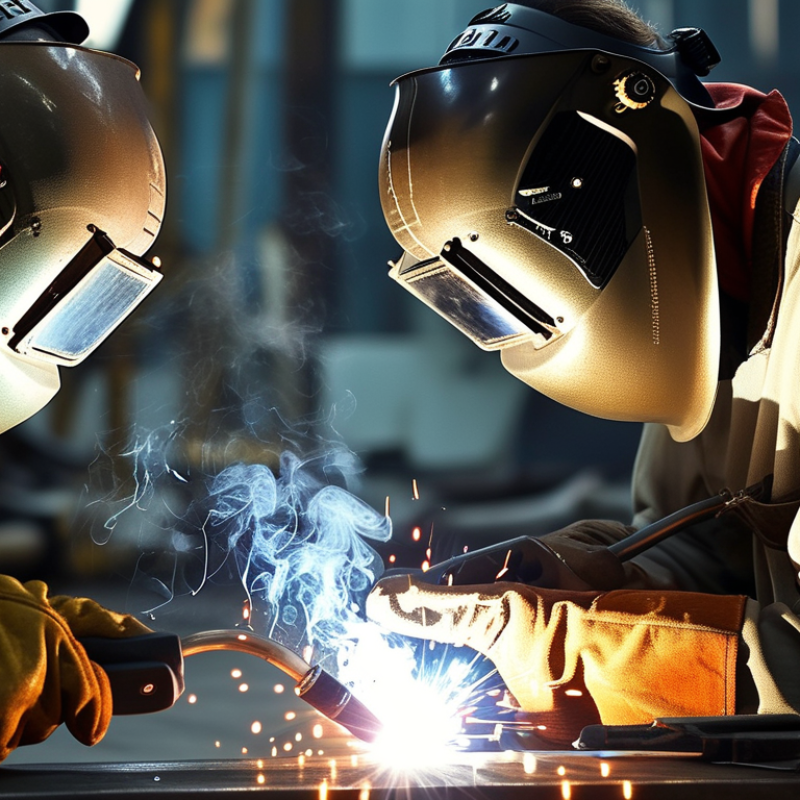
How to Weld Stainless Steel Safely for Best Results?

Understanding Stainless Steel and Its Welding Characteristics

Welding stainless steel presents unique challenges due to its composition and properties. Unlike carbon steel, stainless steel contains chromium, which provides corrosion resistance. However, this can complicate the welding process. Understanding these characteristics is crucial for the best results.

One significant aspect is heat management. Stainless steel is sensitive to overheating. Excessive heat can lead to warping, distortion, or even melting. A dedicated welder must learn to control their heat input carefully. Different grades of stainless steel require different welding techniques. A welder should be familiar with these variations to avoid mistakes.

Another key factor is the potential for oxidation. Stainless steel can develop discoloration if exposed to high temperatures for too long. This can affect both appearance and integrity. It's essential to use proper shielding gases and techniques during welding. Regularly assessing the work and adjusting accordingly can improve the outcome. Each process holds room for improvement. A welder gains experience through trial and error. Keeping these characteristics in mind can lead to better welding outcomes.

Essential Safety Gear for Welding Stainless Steel

When welding stainless steel, the right safety gear is essential. Proper equipment protects against sparks, heat, and harmful fumes. A quality welding helmet should have a dark shade lens. This prevents eye damage from intense light. Select one that fits snugly and offers clear visibility.

Wearing gloves is equally important. Choose gloves made from heat-resistant materials. They provide necessary grip and shield your hands from burns. A welding jacket is another key element. It should be made of flame-retardant fabric. This protects your arms and torso from sparks and spatter.

Don’t forget about respiratory protection. Fumes from welding stainless steel can be harmful. A good respirator can filter out these dangerous vapors. Lastly, steel-toed boots are essential for foot protection. They support balance while preventing injury from heavy materials.

Always ensure your gear is in good condition. Regularly inspect for wear and tear. Each piece of equipment plays a vital role in keeping you safe.

Preparing the Workspace for Safe Welding Procedures

Preparing a safe workspace for welding stainless steel is crucial for ensuring quality results and minimizing hazards. According to the American Welding Society, proper workspace preparation can reduce the risk of accidents by up to 50%. This highlights the importance of having a clean and organized area. Clear away any flammable materials and ensure there is adequate ventilation. Poor ventilation can lead to harmful fume accumulation, posing significant respiratory risks.

Using appropriate personal protective equipment (PPE) is essential. Welders should wear fire-resistant clothing, gloves, and protective eyewear. A study by the National Institute for Occupational Safety and Health (NIOSH) emphasized that protective gear significantly lowers injury rates during welding tasks. Additionally, a designated area should be established for equipment, materials, and waste disposal. This organization not only improves efficiency but also minimizes the likelihood of accidents.

Lighting is another critical factor. Well-lit workspaces allow welders to see details clearly, which can affect weld quality and safety. Insufficient lighting may lead to improper techniques and increase the chance of errors. Regularly inspecting your workspace setup can also reveal potential hazards. Mistakes in setup often go unchecked and could lead to severe injuries. The goal is to create an environment where safety and productivity go hand in hand.

Step-by-Step Welding Techniques for Stainless Steel

Welding stainless steel requires a precise approach. The right techniques ensure strong, durable joints. Here’s a breakdown of effective methods.

Clean the stainless steel surface thoroughly. Any contaminants can lead to weak welds. Use a grinder or chemical cleaner. Make sure to remove oil, dirt, and rust. According to the American Welding Society, proper surface preparation increases welding success rates by up to 70%. This highlights the importance of a clean work area.

When it comes to welding techniques, use the right filler material. Stick with ER308 or ER316, which are commonly recommended for stainless steel. Control your welding speed. A steady hand with a consistent speed helps maintain weld quality. Many beginners rush, leading to porosity issues. Take the time to practice. It's essential to find your rhythm.

Stay mindful of your heat settings. Too much heat can cause warping. Conversely, too little can lead to insufficient penetration. Monitor the heat input closely. Experts suggest keeping the heat input below 1.2 kJ/cm. This can help in achieving optimal results. Reflection on your technique is key; mistakes offer valuable lessons that can improve future projects.

Post-Welding Care and Inspection of Stainless Steel Joints

Post-welding care is essential for maintaining the integrity of stainless steel joints. Proper inspection following welding can help identify potential issues like cracks or improper fusion. Research indicates that approximately 70% of weld failures are due to inadequate post-weld inspection. Visual examination is the first step in this process. Look for surface imperfections, including porosity, which can compromise strength.

For a more thorough assessment, non-destructive testing (NDT) methods can be employed. Techniques like ultrasonic testing and radiographic inspection reveal internal flaws without damaging the material. The American Welding Society suggests using NDT whenever critical applications are involved. Ignoring these checks can lead to costly repairs and safety hazards.

Regular maintenance should also follow the inspection. Cleaning the welded area is crucial to prevent corrosion. Stainless steel is resistant to rust, but contaminants can still impact its longevity. Conducting regular maintenance can extend the life of the joint significantly. Consider using specialized cleaning agents to remove contaminants without scratching the surface.

Attention to detail during post-welding care can greatly enhance the durability of stainless steel joints. Ensure inspections are thorough and routine maintenance is part of your process. Investing time in these stages is key to achieving reliable results.

How to Weld Stainless Steel Safely for Best Results? - Post-Welding Care and Inspection of Stainless Steel Joints

Aspect Details
Safety Gear Welding helmet, gloves, flame-resistant clothing, and safety shoes are essential.
Welding Technique Use TIG or MIG welding for stainless steel to ensure a strong, clean joint.
Post-Welding Cleaning Remove slag and residues with a wire brush and clean with solvent to prevent corrosion.
Inspection Method Visual inspection for cracks and defects; can also use dye penetrant tests for more thorough assessment.
Common Defects TIG welding might show issues like porosity, undercut, or lack of fusion if not done correctly.
Maintenance Inspect welds regularly; clean and maintain to prevent oxidation and rust.

FAQS

: Why is safety gear important when welding stainless steel?

: Safety gear protects against sparks, heat, and harmful fumes during the welding process.

What type of welding helmet should I use?

Choose a welding helmet with a dark shade lens for eye protection and clear visibility.

What should I look for in welding gloves?

Select gloves made from heat-resistant materials for grip and to shield hands from burns.

How do I prepare my workspace for welding?

Ensure the area is clean, organized, and free of flammable materials to minimize hazards.

Why is proper ventilation important while welding?

Good ventilation prevents harmful fume accumulation, reducing respiratory risks for welders.

What maintenance should be done after welding?

Conduct regular inspections, clean welded areas, and check for any surface imperfections.

What is non-destructive testing (NDT)?

NDT methods assess weld quality without damaging the material by revealing internal flaws.

How can I extend the life of stainless steel joints?

Regular maintenance, cleaning, and thorough post-weld inspections can significantly extend longevity.

What happens if inspections are ignored?

Ignoring inspections can lead to costly repairs and safety hazards in the future.

How does lighting impact welding safety?

Well-lit workspaces help see details clearly, improving both safety and weld quality during tasks.

Conclusion

To learn how to weld stainless steel safely, it's essential to first understand the unique characteristics of this material, which influences the welding process. Knowledge of its properties allows welders to select the appropriate techniques and methods for achieving strong bonds. Integral to this process is the use of essential safety gear, ensuring that welders are protected from hazards such as fumes and sparks.

Preparing the workspace is equally crucial, as it helps to minimize risks and maximize efficiency during the welding process. A step-by-step approach to welding techniques provides a structured method to achieve optimal results, while thorough post-welding care and inspection ensure the integrity of the joints. By adhering to these guidelines, anyone can learn how to weld stainless steel safely and effectively, leading to successful and sturdy welds.

Mason

Mason

Mason is a seasoned marketing professional with a deep expertise in the company's offerings and a passion for driving brand awareness. With a strong background in digital marketing strategies, he has an innate ability to connect with diverse audiences and effectively communicate product benefits.......