When faced with stainless steel structural issues, it is essential to know how to troubleshoot stainless steel structural issues effectively. John Anderson, a leading expert in materials engineering, emphasizes, "Understanding the causes of structural problems is key to finding solutions." This insight is critical for engineers and builders alike.
Stainless steel is prized for its durability and resistance to corrosion. However, it is not impervious to problems. Issues can arise from improper installation, environmental factors, or material defects. Identifying these problems requires a keen eye for detail. For instance, rust spots or unusual discoloration might signal deeper structural concerns.
Each situation is unique, necessitating a thoughtful approach to diagnosis. Relying solely on experience is not enough; a thorough understanding of the material's properties and behavior under stress is essential. A flawed understanding can lead to increased costs and project delays. Equipment may also fail to meet safety standards if issues are ignored. Ultimately, a proactive approach to troubleshooting can save time and resources, ensuring the integrity of the structure.
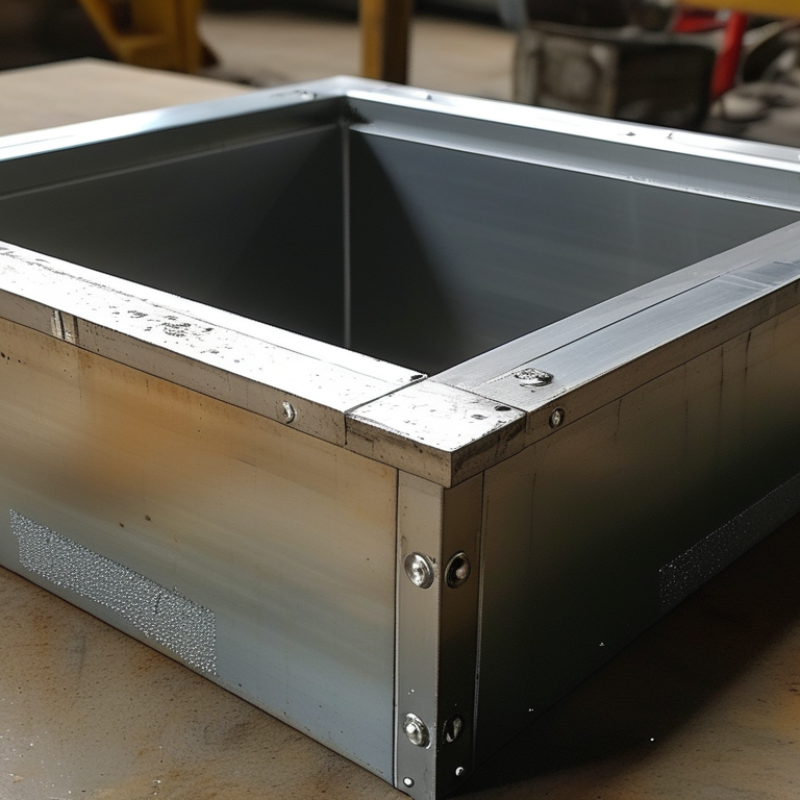
Identifying Common Structural Problems in Stainless Steel Applications
Stainless steel is a popular choice for many structures due to its strength and corrosion resistance. However, it is not without issues. When evaluating stainless steel applications, it's essential to identify common structural problems early. Improper installation can lead to misalignment and stress concentrations. These issues create weak points that could compromise the entire structure.
Corrosion is another major concern. Even stainless steel can corrode under certain conditions. Look for rust or discoloration, especially in areas with poor drainage. Surface finish is critical. A rough texture can trap contaminants, accelerating corrosion. Regular inspections can help catch these issues before they escalate.
Weld quality plays a significant role in the structural integrity of stainless steel. Poorly executed welds can introduce cracks and voids. Inspect welded joints for signs of weakness. Ensure the correct techniques and materials are used during the welding process. Inadequate care can lead to catastrophic failures, requiring immediate attention.
Understanding Corrosion Types and Mechanisms in Stainless Steel Structures
Corrosion in stainless steel structures is a significant concern for many industries.
Understanding the types of corrosion helps address these problems effectively.
Pitting corrosion, for instance, occurs in localized areas.
It creates tiny holes that can deepen over time. This type of corrosion often happens when pollutants are present in the environment.
Regular inspections are essential to identify early signs of this phenomenon.
Galvanic corrosion is another common issue. It arises when different metals come into contact in the presence of an electrolyte.
This can lead to the deterioration of the less noble metal. Awareness of the materials used in construction can help mitigate such risks.
Designers should avoid dissimilar metals in contact. However, some projects may require this, leading to complex challenges.
Furthermore, stress corrosion cracking is a danger under specific conditions.
It typically develops in high-stress areas exposed to harsh environments. Even minor imperfections in the material's surface can trigger this.
Regular maintenance and monitoring are key to preventing severe failures.
In some cases, a reflective approach can reveal underlying issues before they escalate.
A proactive stance is essential to managing these challenges effectively.
Evaluating the Impact of Stress and Fatigue on Stainless Steel Integrity
Stress and fatigue significantly affect the integrity of stainless steel structures. Over time, metal components experience wear from repeated loading. This can lead to micro-cracks, which grow under continued stress. A simple visual inspection may not reveal these hidden issues. Regular maintenance is crucial, as it ensures early detection of problems.
Understanding the environment is vital. Factors like temperature, humidity, and exposure to corrosive substances can accelerate deterioration. Stainless steel might resist corrosion, but it isn't immune to fatigue. Engineers must evaluate load conditions regularly. An abnormal increase in deformation usually suggests something is wrong.
Repairing compromised areas is often complex. Sometimes, reinforcement is needed, while other instances may require replacement. It's crucial to weigh the costs of ongoing repairs against total replacement. Making informed decisions can save long-term expenses, prevent accidents, and ensure structural safety. Always remember, proactive measures are key to maintaining structural integrity.
Best Practices for Inspecting and Maintaining Stainless Steel Installations
When inspecting stainless steel installations, thorough assessments are crucial. Start by checking for surface imperfections. Look for scratches, dents, or discoloration. These signs can indicate underlying problems and compromise integrity. Also, examine joints for rust or corrosion. Pay special attention to weld seams. Defective welds may lead to bigger issues over time.
Regular maintenance is vital for longevity. Clean stainless steel surfaces regularly to prevent buildup. Use gentle, non-abrasive cleaners that won't harm the finish. Consider routine inspections every six months. Inspect for signs of wear or fatigue. Addressing minor issues now can prevent costly repairs later.
Remember that human error can happen. Document any findings during inspections. Revisit maintenance schedules to ensure thoroughness. Reflect on past experiences with stainless steel failures. Learning from mistakes can foster a culture of diligence and care in structural maintenance.
Common Stainless Steel Structural Problems and Their Frequency
Remediation Techniques for Common Stainless Steel Structural Issues
When dealing with common stainless steel structural issues, identifying the right remediation techniques is crucial. One common problem is pitting corrosion. This often occurs when stainless steel is exposed to chlorides. To address this, applying a protective coating can help. Another solution involves using passivation methods to remove impurities from the surface, creating a more resistant layer.
Stress corrosion cracking is another significant issue. This typically arises in environments with high stress and corrosive elements. To remediate this, reducing tensile stress is vital. Techniques include redesigning components or altering the assembly process. Regular inspections can help reveal early signs of cracking, enabling timely repairs.
Weld quality can significantly impact the performance of stainless steel structures. Poor welding can lead to fissures. Improving welding techniques and using filler materials can mitigate this. Additionally, routine maintenance checks on welded joints are essential. They help ensure longevity and structural integrity. Each of these techniques requires careful consideration and expertise, demonstrating that even stainless steel has its vulnerabilities.
How to Troubleshoot Common Stainless Steel Structural Problems? - Remediation Techniques for Common Stainless Steel Structural Issues
| Issue |
Description |
Possible Causes |
Remediation Techniques |
| Corrosion |
Deterioration of stainless steel surface. |
Exposure to harsh chemicals, lack of proper maintenance. |
Regular cleaning, applying protective coatings. |
| Pitting |
Localized corrosion that produces small pits. |
Chlorides, inadequate passivation. |
Passivation treatment, repair through welding. |
| Weld Contamination |
Defects arising from impurities in welding. |
Inadequate surface preparation, use of unsuitable filler material. |
Ensure cleanliness, use appropriate filler materials. |
| Stress Corrosion Cracking |
Cracks due to tensile stress and corrosive environment. |
Presence of chlorides and high temperatures. |
Reduce stress levels, select appropriate alloy grades. |
| Discoloration |
Color changes on the surface of stainless steel. |
Heat treatment, oxidation. |
Cleaning with appropriate agents, polishing. |
Conclusion
This article provides a comprehensive guide on how to troubleshoot stainless steel structural issues. It begins by identifying common structural problems encountered in stainless steel applications, emphasizing the importance of early detection. The article then delves into various types of corrosion, explaining the mechanisms that lead to deterioration in stainless steel structures.
In addition, it evaluates the effects of stress and fatigue on the integrity of these materials, highlighting potential risks. Best practices for inspecting and maintaining stainless steel installations are discussed to ensure longevity and performance. Finally, it outlines effective remediation techniques for addressing common structural issues, equipping readers with the knowledge needed to maintain the reliability of stainless steel structures.
 Elite Steel
