Elite Steel
Stainless steel fabrication is a crucial process in various industries. However, it is prone to mistakes that can lead to costly errors. Understanding what are common mistakes in stainless steel fabrication is essential for achieving high-quality results.
One significant error is inadequate planning. Rushing into fabrication without a clear design can cause misalignment and functional issues. Additionally, choosing the wrong tools or techniques can lead to inferior finishes and strength problems. Weld quality is another area where mistakes often occur. Poor welding techniques can create weak joints and reduce the structure's integrity.
Fabricators may overlook proper maintenance of equipment, which can adversely affect productivity. Neglecting to train employees on the latest safety standards can also result in hazardous situations. Recognizing these pitfalls is the first step toward improvement. By learning from these mistakes, teams can enhance their fabrication processes and deliver superior products.
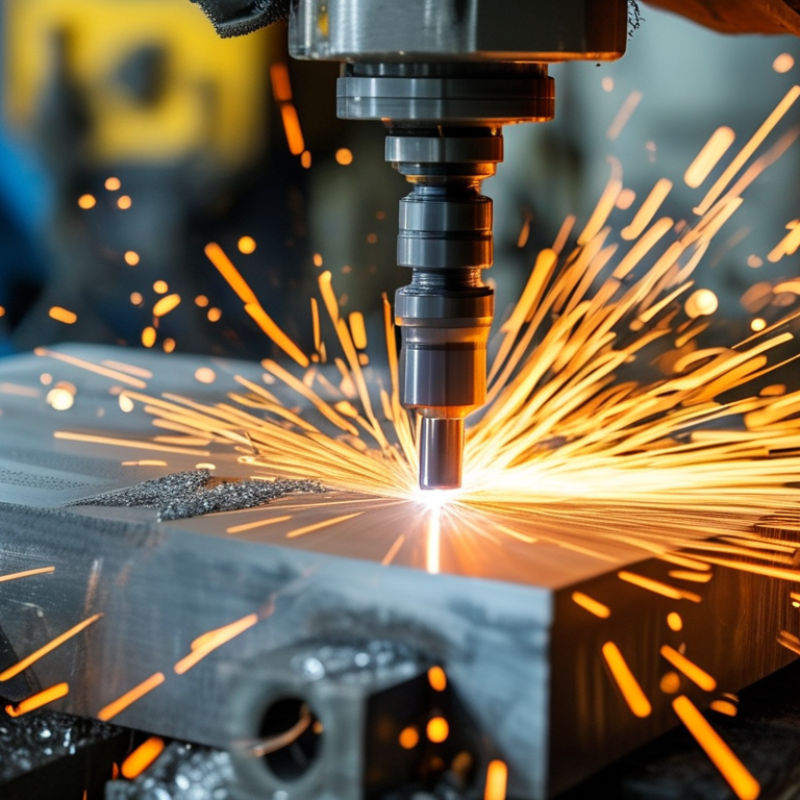
Stainless steel fabrication involves intricate processes that many misunderstand. One common misconception is that all stainless steel is rust-proof. In reality, while stainless steel offers enhanced corrosion resistance, it can still rust under certain conditions. Improper cleaning, exposure to chlorides, or even neglect can lead to corrosion over time. It's essential to choose the right grade and type for specific environments.
Another prevalent myth is that welding stainless steel is straightforward. Inexperienced fabricators often assume that standard welding techniques apply. However, stainless steel requires specific methods and care. For example, proper temperature control is crucial to prevent warping or distortion. Not recognizing this can result in weak joints and costly repairs.
Lastly, many believe that thickness determines quality. While thickness does play a role, the type of stainless steel and its composition matter even more. Not all projects need the thickest material available. Inappropriate choices can lead to unnecessary weight and costs. Understanding these nuances is vital for successful fabrication.
Material selection plays a critical role in stainless steel fabrication. Choosing the wrong grade can lead to structural failures. Different applications require different properties. For instance, marine environments demand corrosion-resistant options. Ignoring these specifics can result in costly repairs and project delays.
It's easy to underestimate the importance of material properties. Some may think all stainless steels are the same. However, variations exist in strength, corrosion resistance, and weldability. A lack of understanding can lead to poor decisions. These mistakes often arise from insufficient research or reliance on outdated information.
Consulting experts can help navigate the complexities of material selection. They consider factors like environmental exposure and load requirements. Ultimately, informed choices enhance the reliability of the final product. Mistakes in fabrication due to material negligence create ripple effects. Addressing these early can save time and resources down the line.
Proper cleaning and preparation are critical in stainless steel fabrication. Neglecting these processes can lead to contamination and compromised quality. According to industry reports, nearly 30% of fabrication issues stem from inadequate surface preparation, which severely impacts product longevity.
In many cases, fabricators overlook the importance of removing dirt, grease, and other contaminants. A clean surface ensures better adhesion and uniform finishes. Studies indicate that a slight residue can reduce corrosion resistance by up to 50%. Fabricators must implement rigorous cleaning protocols to avoid these pitfalls.
Moreover, preparation steps often include using appropriate cleaning agents and tools. Abrasive materials should be avoided, as they may scratch the surface. Every step counts, yet professionals sometimes underestimate this phase. Disregarding proper cleaning may lead to costly rework and delays. Each oversight raises questions about competence and quality assurance in the fabrication process.
Thermal expansion is a crucial factor in stainless steel fabrication. It refers to how stainless steel expands when heated and contracts when cooled. Ignoring this property can lead to significant issues in the final product. For example, fittings may not align properly, resulting in gaps or leaks.
During a specific project, a fabricator overlooked thermal expansion. The result was warped components that compromised structural integrity. This mistake was costly, requiring extensive rework. Understanding the temperature ranges and environment for which the steel is intended is essential. Proper allowances need to be integrated into the design. This ensures that the finished product can accommodate temperature fluctuations without sacrificing function.
Fabricators should invest in training about thermal dynamics. Simple mistakes can lead to complex problems. Incorporating thermal expansion considerations into the project from the start can save time and resources. A proactive approach fosters reliability and quality in fabricated stainless steel products.
| Mistake | Consequences | Prevention Measures |
|---|---|---|
| Ignoring temperature fluctuations | Can lead to warping and structural failures | Implement thermal expansion calculations in design phase |
| Inadequate joint allowances | Result in stress concentration points | Provide proper allowances based on expected temperatures |
| Poor material selection | May lead to corrosion or failure under stress | Choose appropriate stainless steel grade for the environment |
| Failure to test joints post-fabrication | Increased risk of leakages or breakage | Conduct thorough inspections and tests on all joints |
| Neglecting to factor in expansion in the design | Causes misalignment and potential failure in service | Engage in design reviews to incorporate thermal expansion considerations |
In the world of stainless steel fabrication, overlooking design considerations can lead to significant issues. A well-thought-out design impacts strength, durability, and overall functionality. If you ignore these factors, you might face costly revisions or even complete failures in the final product.
One common mistake is neglecting material selection and thickness. Choosing the wrong grade of stainless steel can affect corrosion resistance and strength. It’s vital to assess the environment where the product will be used. Weather, temperature, and exposure to chemicals matter. These elements should drive your material decisions.
Tip: Always consult with experienced designers or engineers. Their insights can help prevent simple but costly design errors. Engaging in thorough design reviews before fabrication can save headaches later. Sometimes, what seems like a minor oversight can result in substantial problems down the road.
Another aspect to consider is tolerances in manufacturing. Tight tolerances may be necessary for some applications. Others, however, might require more flexibility. Understanding this can be key to avoiding unnecessary production delays and costs. A balance must be struck to ensure both functionality and manufacturability.
: Material selection is critical because the wrong grade can cause structural failures and project delays.
Neglecting cleaning can lead to contamination, which compromises quality and reduces product longevity by up to 50%.
Overlooking design affects strength and functionality, potentially leading to costly revisions or complete failures.
Factors like weather and exposure to chemicals determine the appropriate material for the intended environment.
Experts can help assess complex needs, ensuring informed choices that enhance product reliability.
Fabricators often neglect removing dirt and grease, affecting adhesion and potentially causing rework.
Understanding tolerances is key; tight tolerances may be necessary for some projects, while others may need flexibility.
Ignoring surface prep can create questions about quality assurance and lead to costly production delays.
Minor oversights can lead to significant issues down the line, impacting overall quality and functionality.
Abrasive materials should be avoided, as they can scratch and damage stainless steel surfaces.
In stainless steel fabrication, understanding and avoiding common mistakes is crucial for achieving high-quality results. One prevalent issue is the misconception surrounding fabrication techniques, which can lead to inefficient processes. Additionally, neglecting material selection significantly impacts the longevity and durability of the final product. Proper cleaning and preparation are often overlooked, yet these steps are essential for preventing contamination and ensuring strong welds.
Another critical mistake is failing to consider thermal expansion during fabrication, which can result in structural issues after the product is completed. Lastly, design considerations must be prioritized to enhance the overall quality of the finished item. By being aware of these common mistakes in stainless steel fabrication, professionals can improve their practices and achieve superior outcomes.
