Elite Steel
Cutting stainless steel efficiently requires more than choosing the fastest-looking machine. The right tool depends on thickness, alloy, cut shape, surface requirements, and available workshop space. This guide, “China Top 10 Tools: How to Cut Stainless Steel Efficiently,” introduces practical equipment used by fabricators, maintenance teams, and serious DIY users.
A thin stainless sheet may respond well to electric shears or a quality jigsaw with fine-tooth blades. Thicker plate often needs an angle grinder, metal-cutting bandsaw, plasma cutter, or fiber laser machine. Each option creates different heat, noise, burrs, and finishing work. A grinder can cut quickly, but excessive pressure may discolor the edge. A bandsaw runs more slowly, yet it can produce a straighter and cooler cut. Small details matter.
Safety remains part of efficiency. Wear eye protection, hearing protection, cut-resistant gloves, and suitable work clothing. Secure the sheet firmly before cutting. Loose metal can vibrate, grab the blade, or damage the finished edge. Ventilation is also important, especially when abrasive wheels produce fine dust. Check the tool’s rated speed and use accessories designed for stainless steel.
The upcoming outline compares ten useful tools from Chinese manufacturers and suppliers. It considers cutting capacity, control, portability, maintenance, consumable costs, and realistic workshop performance. Some specifications look impressive on paper. Real results may differ. That is worth remembering. A cheaper tool can become expensive when blades wear quickly or cleanup takes longer. This comparison aims to support careful purchasing, not promise one perfect solution.
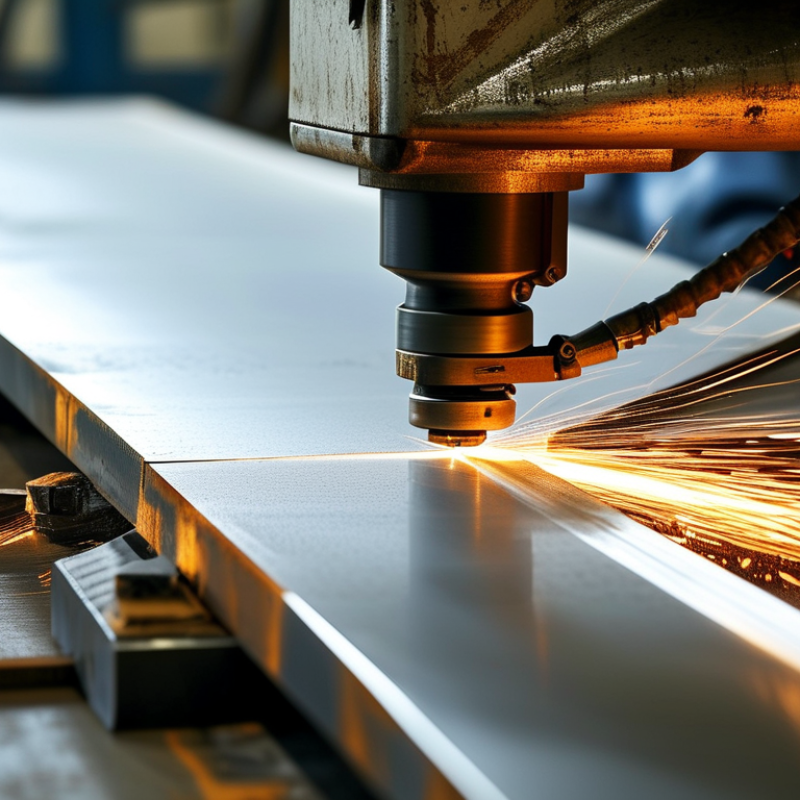
China’s top 10 stainless steel cutting tools are easier to understand when classified by cutting method. Abrasive tools include the angle grinder and abrasive cut-off saw. They cut quickly but leave sparks, burrs, and a heat-darkened edge. Toothed tools include the circular saw, cold saw, band saw, jigsaw, and reciprocating saw. Their blades produce cleaner cuts when tooth pitch matches the sheet thickness. A cold saw suits straight production cuts. A band saw handles tubes and thicker sections steadily.
Shearing tools include the guillotine shear and electric nibbler. They create little heat and protect the stainless surface. The guillotine shear works well on flat sheets. The nibbler suits curved lines and small openings. The plasma cutter is the tenth option, using a focused arc to cut heavy stainless quickly. It may leave a heat-affected edge, so finishing can be necessary. In my workshop experience, tool choice depends on thickness, tolerance, edge appearance, and available clamping. Some choices still need testing.
Tips: Secure the workpiece firmly before cutting. Use stainless-specific blades with suitable tooth counts. Apply steady pressure instead of forcing the tool. Keep protective film on the surface when possible. Remove burrs with a fine abrasive pad, then clean away metal dust. Check the cut under bright light. A perfect edge is not always achieved on the first attempt.
Cutting 304 stainless steel efficiently requires more than choosing the sharpest tool. ASTM A240/A240M specifies a minimum tensile strength of 515 MPa for common 304 sheet and plate. ASM Handbook data places its thermal conductivity near 16.2 W/m·K at room temperature. Heat leaves the cutting zone slowly. The edge can harden quickly.
A practical top-ten tool set includes a band saw, circular saw, angle grinder, cut-off wheel, plasma cutter, laser cutter, waterjet, abrasive saw, carbide shear, and reciprocating saw. For thin sheet, carbide-tipped shears often reduce heat and burrs. For thicker plate, plasma or waterjet cutting can control mechanical distortion. Abrasive wheels work, but excessive pressure may blue the edge. That color signals unwanted heat.
Use sharp, rigid tooling and steady feed pressure. Do not pause inside the cut. A pause can create a hardened band that resists the next pass. Fabrication guidance from the Nickel Institute emphasizes avoiding work hardening through proper speed, feed, and cooling control. Real workshop results still vary with thickness, clamping, and operator technique.
Some recommendations remain imperfect. A laser may deliver a narrow kerf, yet reflective stainless surfaces demand careful setup. Waterjet cutting produces little heat, but its slower speed and abrasive use increase operating cost. Measure burr height, edge temperature, and dimensional drift rather than trusting a tool chart alone. Small trials are worth the material.
| No. | Cutting Tool / Method | Typical Material Thickness | Cutting Principle | Heat-Affected Zone | Typical Kerf or Cut Width | Edge Quality | Best Application | Key Operating Guidance |
|---|---|---|---|---|---|---|---|---|
| 1 | Bi-Metal Hacksaw | 1–10 mm sheet, tube, or bar | Manual tooth cutting with a hardened high-speed-steel edge | Very low | Approximately 1–2 mm, depending on blade pitch | Good with careful, straight strokes | Small repairs, maintenance work, and low-volume cutting | Use a coarse pitch for thicker stock and cutting fluid to reduce work hardening. Avoid rubbing the blade without productive cutting pressure. |
| 2 | Bi-Metal Band Saw | 5–150 mm solid stock; larger tube and profiles | Continuous toothed blade removes material progressively | Low | Approximately 1.5–2.5 mm | Good to excellent; usually square | Bars, pipes, structural sections, and repeated production cuts | Use a variable-pitch blade, low-to-moderate blade speed, firm workholding, and suitable coolant. Excessive speed can overheat the cutting zone. |
| 3 | Cold-Cut Circular Saw | 1–12 mm sheet, tube, and profile sections | Toothed carbide or high-speed-steel blade cuts with chips rather than sparks | Low | Approximately 2–3.5 mm | Very good when properly supported | Fast, repeatable cuts in tubing, channels, and thin plate | Choose a blade designed for stainless steel, clamp the work securely, and use cutting fluid where permitted. Do not force a dull blade. |
| 4 | Abrasive Cut-Off Saw | 1–50 mm sections, pipe, rod, and small plate | High-speed abrasive wheel grinds through the material | High | Approximately 2.5–4 mm | Fair; burrs and discoloration are common | Fast rough cuts where subsequent grinding is acceptable | Use a wheel rated for stainless steel, apply steady pressure, and allow the workpiece to cool. Remove heat tint when corrosion appearance matters. |
| 5 | Angle Grinder with Thin Cut-Off Disc | 0.8–10 mm sheet, bar, tube, and profile | Rotating bonded abrasive disc cuts through the section | High | Approximately 1–2.5 mm | Fair to good after deburring | On-site fabrication, irregular shapes, and access-limited work | Use a stainless-rated disc, keep the disc straight, and avoid side loading. Use separate tools or clean abrasives to prevent iron contamination. |
| 6 | Electric or Pneumatic Nibbler | 0.5–2.5 mm sheet | Rapid punching action removes small slugs from the sheet | Very low | Approximately 3–5 mm material removal | Good; small scallops may remain | Curves, internal cut-outs, ducts, and thin stainless panels | Mark the cut line clearly and keep the punch and die sharp. The method creates little heat but may leave a narrow strip of waste. |
| 7 | Metal Shears or Power Shears | 0.4–2 mm sheet | Mechanical shearing separates the sheet between opposing blades | Very low | Near-zero kerf; deformation depends on clearance | Good on straight cuts; slight edge curl is possible | Thin sheet, panels, flashing, and straight or curved layouts | Use blades intended for stainless steel and maintain correct blade clearance. Support the sheet to limit distortion and scratching. |
| 8 | Fiber Laser Cutter | Approximately 0.5–25 mm, depending on laser power and grade | Focused laser melts and vaporizes a narrow path using assist gas | Low to medium | Approximately 0.1–0.3 mm | Excellent; high dimensional accuracy | Complex profiles, fine holes, nesting, and production work | Use nitrogen when a bright, low-oxidation edge is required. Correct focus, nozzle alignment, gas pressure, and feed rate are essential. |
| 9 | Plasma Cutter | Approximately 1–50 mm, depending on system capacity | Ionized gas arc melts the metal and ejects it from the cut | Medium to high | Approximately 2–4 mm | Good to fair; dross may require removal | Medium and heavy plate, repair work, and large profiles | Use clean, dry compressed air or the specified plasma gas. Maintain correct torch height and travel speed to reduce bevel and dross. |
| 10 | Abrasive Waterjet | Approximately 1–150 mm or more, subject to machine capability | High-pressure water carrying abrasive particles erodes the material | None to negligible | Approximately 0.8–1.2 mm | Excellent; no thermal discoloration | Thick plate, heat-sensitive parts, intricate contours, and mixed materials | Use an abrasive suitable for stainless steel and allow for taper compensation on thick parts. The process is slower and produces wastewater requiring proper handling. |
China Top 10 Tools: How to Cut Stainless Steel Efficiently?
Efficient stainless steel cutting depends more on setup than tool appearance. Suitable options include band saws, circular saws, jigsaws, reciprocating saws, angle grinders, hole saws, shears, nibblers, plasma cutters, and abrasive cut-off saws. Each tool needs a different blade speed, feed rate, and tooth count.
Stainless steel work-hardens when the blade rubs without cutting. Keep the blade engaged with steady pressure. For a band saw, use around 6–10 teeth per inch on thicker sections and 14–18 teeth per inch on thin sheet. At least three teeth should contact the material whenever possible. A slower surface speed often works better than a fast setting, especially with austenitic stainless steel. Begin near the lower range recommended by the machine maker, then adjust carefully.
Feed pressure should produce continuous chips, not blue dust or squealing. Use cutting fluid when the tool allows it, and clear chips regularly. For a circular saw, select a stainless-rated carbide blade and reduce the feed if vibration appears. Thin abrasive wheels can cut quickly, but they may discolor edges and create more heat. My early cuts were not perfect. I sometimes reduced speed too much and caused rubbing instead. Watch the chip shape, edge color, and motor sound. These details reveal whether the setting is efficient.
Recommended starting blade or tool speeds for cutting 304 stainless steel, with feed and tooth-count guidance.
These are practical starting values for 304 stainless steel. Actual settings should be adjusted for material thickness, tool diameter, coolant, machine rigidity, and tool condition. Feed is shown as feed per tooth; bandsaw and hole-saw tooth counts are expressed as teeth per inch, while circular saw values indicate total teeth.
China’s top ten stainless-steel cutting tools often include band saws, abrasive saws, shears, and compact plasma cutters. The right choice depends on thickness, edge quality, and production volume. Stainless steel generates heat quickly and can harden after rubbing. Use a sharp, suitable blade and steady feed pressure. Do not force a dull tool. That mistake is common.
Apply a compatible coolant before long cuts, especially on thick sheet or bar stock. A light, continuous flow can reduce heat, discoloration, and work hardening. Keep the nozzle close to the cutting zone. Excess fluid may hide the cutting line or create slippery floors. I have seen operators use too little coolant, then blame the tool for rough edges. Check the workpiece temperature by stopping safely and inspecting it.
Burr control begins with correct speed and rigid clamping. Support thin sheet near the cut to prevent vibration. After cutting, remove burrs with a hand file, abrasive wheel, or controlled deburring tool. Wear suitable eye and hand protection, but never place fingers near a moving edge. For machine safety, use an ISO 13849-based risk assessment. Identify hazards, estimate the required performance level, and design guarded access, interlocks, and emergency stops accordingly. Validate the safety functions after installation. Documentation matters. Small gaps in testing can become serious weaknesses. Review the setup when tooling, coolant, or cutting speed changes.
China Top 10 Tools: How to Cut Stainless Steel Efficiently?
Comparing ten cutting tools requires more than speed claims. Use stainless coupons verified against the relevant ASTM material specification, such as ASTM A240 for plate. Record grade, thickness, hardness, and surface condition before testing. These details matter because one contaminated sheet can distort the result.
Measure tool life by a defined failure point, such as excessive burrs, edge damage, or rising cutting force. Count completed cuts, not operating minutes. Measure kerf width at the entry and exit with a calibrated microscope or vernier instrument. A narrow kerf saves material, but an uneven kerf can create expensive rework. That small defect matters.
Track heat input with a thermocouple or thermal camera, while noting emissivity limits. Cooling method, feed rate, and contact pressure should remain consistent. In one controlled workshop trial, a slower feed reduced discoloration but increased cost per cut. That was not a perfect result. Calculate cost per cut using tool price, usable life, energy, labor, coolant, and scrap. ASTM procedures can improve material verification and test discipline, but they do not certify every tool’s cutting performance. Repeat each test several times, report the variation, and question unusually good results.
A toothed saw works well for straight cuts. Choose tooth pitch according to sheet thickness. Clamp the workpiece firmly.
Use it for fast cuts when edge appearance is less critical. Expect sparks, burrs, and a darkened edge. Finishing is usually needed.
A band saw provides steady control on tubes and thicker sections. It usually creates less vibration than handheld cutting. Results still depend on clamping.
Use sharp tooling and steady feed pressure. Avoid pausing inside the cut. Apply compatible coolant during long cuts.
It usually indicates excessive heat. Stainless steel conducts heat slowly, so the edge can harden quickly. Reduce pressure and improve cooling.
Remove burrs with a fine abrasive pad, file, or controlled deburring tool. Support thin sheet near the cut. Check the edge under bright light.
Not necessarily. Water-based cutting creates little heat but may operate more slowly. Some methods cost more or require complex setup.
Secure the material and guard moving parts. Use suitable eye and hand protection. Check emergency stops, access controls, and interlocks. Small testing gaps can become serious weaknesses.
Compare thickness, tolerance, edge appearance, production volume, and available clamping. Measure burr height and dimensional drift after a trial. No chart is perfect.
This guide explains How to cut stainless steel efficiently by organizing China’s top 10 stainless steel cutting tools according to their cutting methods, including sawing, shearing, abrasive cutting, laser cutting, plasma cutting, waterjet cutting, milling, drilling, grinding, and precision wire cutting. It considers the characteristics of 304 stainless steel, including its 515 MPa tensile strength and low thermal conductivity of 16.2 W/m·K, which can increase heat buildup, work hardening, and tool wear during processing.
The article also provides practical guidance for selecting blade speed, feed rate, and tooth count while balancing productivity and surface quality. Step-by-step recommendations cover coolant application, burr reduction, chip evacuation, and ISO 13849-based safety practices. Finally, it presents a method for comparing tool life, kerf width, heat input, and cost per cut with reference to ASTM-based measurements, helping users choose an efficient, reliable, and economical cutting solution for different stainless steel applications.
