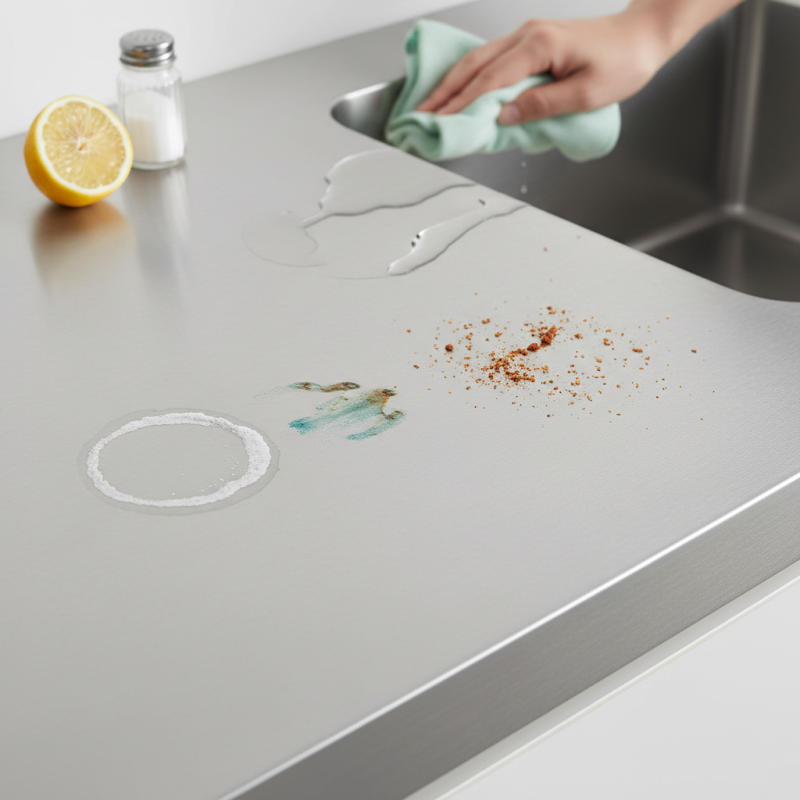
Stainless steel is known for its durability and aesthetic appeal. However, it can still stain under certain conditions. Many people underestimate the care required to keep stainless steel surfaces pristine. Understanding why staining occurs can help mitigate potential issues.
Factors like exposure to moisture, salt, and harmful chemicals can lead to stains. Even everyday items, like food and cleaning agents, may leave marks on stainless steel. Regular cleaning can combat this, but knowing how to prevent staining on stainless steel surfaces is essential for preservation.
Taking action is vital. Simple habits, such as wiping spills promptly and using specific cleaning solutions, can make a difference. Yet, every surface might show imperfection over time. Reflecting on preventive measures not only helps maintain a polished look but also promotes better longevity for your stainless steel items.
What is Stainless Steel and How Does It Resist Corrosion?
Stainless steel is an alloy that contains iron, chromium, and sometimes nickel. Chromium forms a thin layer of oxide on the surface. This barrier helps prevent corrosion. However, when stained, it can be disappointing. Often, the stains appear due to the material's exposure to harsh environments, moisture, or chemicals.
Corrosion resistance is impressive but not perfect. Chlorides, like those in salt, can compromise the protective layer. You might notice this on outdoor furniture or kitchen sinks. Stains or rust may occur if dirt is not cleaned regularly. Left unattended, these spots can tarnish the overall look of stainless steel.
Regular maintenance plays a crucial role. Keep the surface clean and dry to avoid buildup. However, even diligent cleaning may not eliminate all stains. Some surfaces may require polishing, which can be tedious. It’s essential to recognize that while stainless steel resists staining, it is not immune to it. Embracing this truth can lead to better care practices.
Corrosion Resistance of Different Stainless Steel Grades
This bar chart illustrates the corrosion resistance ratings of different grades of stainless steel. Higher ratings indicate better resistance to staining and corrosion, which is essential for various applications in harsh environments.
Common Reasons Why Stainless Steel Can Stain Over Time
Stainless steel is often praised for its durability and aesthetic appeal. However, it can stain over time due to several factors. One common reason is exposure to harsh chemicals. Cleaning products with strong acids or bases can damage the protective layer. According to industry reports, nearly 30% of professionals in facilities management cite improper cleaning as a major cause of stains. It's essential to use pH-neutral cleaners to avoid this issue.
Another factor is environmental elements. Stainless steel can be sensitive to atmospheric conditions. For example, high humidity can cause rust spots, especially near coastal areas. Data shows that over 40% of corrosion cases in stainless steel can be linked to environmental exposure. Additionally, food residues left on the surface can lead to discoloration. It's important to thoroughly clean surfaces after use to prevent staining.
Maintaining stainless steel requires regular care. Many users underestimate the need for proper maintenance routines. Minor scratches and surface damage can exacerbate staining over time, creating a frustrating cycle. Consistent polishing may help maintain its luster, thus preventing deeper stains from developing.
Factors That Contribute to Stainless Steel Staining
Stainless steel is often praised for its durability and resistance to rust. However, it is not completely immune to staining. Several factors contribute to this issue. One major factor is exposure to chlorine or salty environments. These substances can lead to pitting and corrosion over time. Spilling cleaning products or bleach on stainless steel can also cause discoloration, leaving unsightly spots.
Another aspect to consider is the quality of the stainless steel itself. Low-grade stainless steel is more prone to staining. It may lack the necessary alloying elements that improve corrosion resistance. Additionally, food residues left on the surface can attract moisture and create a breeding ground for stains. Even water droplets can leave marks if not wiped away promptly.
Environmental conditions play a significant role too. High humidity and temperature fluctuations can accelerate staining. Factors like air pollution can deposit harmful substances on the surface over time. If these issues are left unaddressed, they may lead to permanent stains. Regular maintenance and timely cleaning can help mitigate these risks, but it's essential to remain vigilant.
Effective Methods to Prevent Staining on Stainless Steel Surfaces
Stainless steel is admired for its durability. However, it can still stain. Moisture and food particles cling to its surface. This can lead to rust or discoloration over time. Protecting your stainless steel surfaces is essential for maintaining their shine.
One effective method is regular cleaning. Use a mild detergent and warm water, and gently scrub with a soft cloth. Avoid steel wool or harsh cleaners that can scratch the surface. Immediately dry the surface after cleaning. Remember, water spots can appear if moisture is left behind.
**Tips:** Always wipe down the surface after use. For extra protection, apply a thin layer of mineral oil. This can create a barrier against stains. Keep an eye on areas prone to spills, like kitchens. Stains can sneak up on you if you’re not careful. Regular maintenance is key to keeping stainless steel looking its best.
Best Cleaning Practices for Maintaining Stainless Steel Shine
Maintaining the shine of stainless steel can be challenging. The metal often collects fingerprints, smudges, and other stains. These issues can mar its luster if not addressed properly. Regular cleaning is essential. Use a soft cloth and warm water to remove surface dirt. For tougher spots, a mild detergent will help without causing scratches.
Avoid using abrasive cleaners. They can scratch the surface and lead to tarnishing. Instead, opt for gentle, non-abrasive options. After cleaning, always dry the surface. Water spots can form if you let moisture sit. A clean, dry microfiber cloth is ideal for this.
Over time, you may notice discoloration that won’t go away easily. It's frustrating, but it’s a common situation. This can happen due to various factors, like exposure to harsh chemicals or certain foods. Reflecting on your cleaning practices can help prevent future stains. Adopting the right techniques will keep your stainless steel looking its best for longer.
Why Does Stainless Steel Stain and How to Prevent It? - Best Cleaning Practices for Maintaining Stainless Steel Shine
| Cleaning Method |
Effectiveness |
Frequency |
Notes |
| Mild Dish Soap and Water |
Very Effective |
Daily |
Safe for all surfaces |
| Vinegar Solution |
Effective |
Weekly |
Good for removing stains |
| Baking Soda Paste |
Moderately Effective |
Monthly |
Good for tougher stains |
| Commercial Stainless Steel Cleaner |
Highly Effective |
As needed |
Follow manufacturer's instructions |
| Olive Oil Polish |
Effective |
Monthly |
Adds shine and protects |
Conclusion
Stainless steel is known for its corrosion resistance, which is primarily due to the presence of chromium that forms a protective oxide layer. However, over time, stainless steel can still stain due to various factors, such as exposure to harsh chemicals, salt, and moisture, as well as the type of cleaning agents used. Understanding these common reasons for staining is crucial for effective maintenance.
To prevent staining on stainless steel surfaces, it is essential to follow proper cleaning practices and use appropriate methods. Regularly cleaning the surfaces with mild detergents, avoiding abrasive materials, and wiping down with a soft cloth can help maintain the shine and longevity of stainless steel. Additionally, using protective coatings or applying a layer of oil can further enhance its resistance to stains. Adhering to these guidelines will ensure that stainless steel retains its attractive appearance for years to come.
 Elite Steel