Stainless steel is renowned for its durability and aesthetic appeal. However, discoloration remains a common issue for many products, leading to questions about its causes. Understanding "Why do some stainless steel products discolor" is essential for manufacturers and consumers alike. According to Dr. Lisa Cheng, a metallurgical engineer, "Discoloration can occur due to factors like improper cleaning or exposure to harsh environments."
Research indicates that nearly 30% of stainless steel users experience some form of discoloration. Improper care, oxidation, and chemical exposure can trigger this undesirable effect. Additionally, surface finishes vary widely and significantly impact how materials react to their environment. Companies must pay close attention to these factors to enhance the longevity of their products.
To prevent discoloration, users must adopt the right maintenance strategies. Routine cleaning with appropriate materials can mitigate risks. Yet many overlook these steps, resulting in a reduced lifespan for their stainless steel items. As industries evolve, prioritizing education on best practices becomes paramount in combating discoloration effectively.
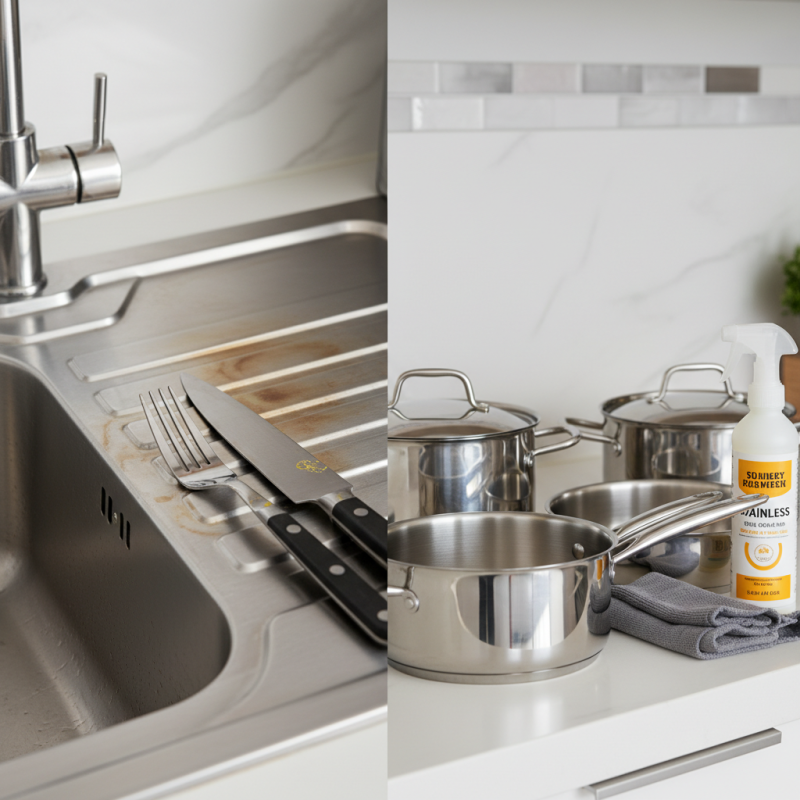
Understanding the nature of stainless steel begins with recognizing its composition. It primarily contains iron, chromium, and sometimes nickel. These elements provide stainless steel with its resistance to rust and stains. However, not all stainless steel is created equal. There are different grades, like austenitic and ferritic, each with varying levels of resistance to discoloration.
Despite its protective properties, stainless steel can still discolor under certain conditions. High temperatures, exposure to chlorides, and acidic environments can compromise its surface. For example, cookware made of lower-grade stainless steel may show signs of discoloration after cooking acidic foods. Regular cleaning and avoiding harsh chemicals can help maintain its appearance. Nonetheless, wear and tear over time may still lead to some discoloration, prompting users to consider their usage habits more critically.
Maintaining stainless steel products demands attention to specifics. Use mild soaps and soft sponges for routine cleaning. Rubbing too hard or using abrasive pads can scratch the surface, leading to rust. Ultimately, understanding the different grades and proper care can significantly enhance the longevity and look of stainless steel items. Always recognize the limits of even the most durable materials.
Stainless steel is renowned for its durability and resistance to corrosion. Yet, discoloration can occur for various reasons. Heat exposure is a primary cause. When stainless steel is subjected to high temperatures, it can lose its luster, developing a rainbow-like hue. The heat affects the chromium content, which is essential for corrosion resistance.
Another factor involves the chemicals used for cleaning. Harsh detergents, especially those containing chlorine, can lead to surface discoloration. Acidic foods can also contribute to this issue. Contact with oils and salt can create spots. Regular maintenance is crucial to prevent these problems.
Even minimal neglect can lead to unexpected discoloration. It's essential to use gentle, pH-balanced cleaners. Rinse thoroughly and dry with a soft cloth to avoid water spots. Understanding these causes can help maintain the appearance of stainless steel products. While stainless steel is resilient, it requires careful upkeep.
Stainless steel is known for its durability and resistance to corrosion. However, it can still discolor over time due to various reasons. The good news is that preventive measures can help maintain the shine of your stainless steel products.
One essential tip is to clean your stainless steel regularly. Use a soft cloth or sponge with mild soap and warm water. Avoid abrasive cleaners, as they can scratch the surface and promote discoloration. Rinse thoroughly and dry with a clean towel. This simple routine can significantly reduce the buildup of grime and oxidation.
Another important measure is to be mindful of the environment. Exposure to harsh chemicals and humidity can accelerate discoloration. Keep stainless steel cookware away from strong detergents and ensure proper ventilation in areas with high moisture. It’s crucial to avoid leaving food residues on stainless steel surfaces, which can cause stains if not addressed promptly.
Remember, while some discolorations may seem minor, they can indicate underlying issues. Regularly inspecting your stainless steel items for signs of wear will help you catch problems early. Maintaining stainless steel products may take time, but these steps can preserve their beauty and functionality for years to come.
Maintaining the shine of stainless steel is essential for keeping its aesthetic appeal.
Regular cleaning is key. Use mild soap and warm water for routine care. A soft cloth works wonders for removing fingerprints and smudges. For tougher stains, a gentle scrub with baking soda can be effective. It’s important to rinse well to prevent residue buildup.
Factors like exposure to harsh chemicals can lead to discoloration. Even water marks can alter appearance over time. Be cautious with cleaners containing bleach. They may cause staining. Always dry your stainless steel surfaces after cleaning to avoid water spots.
Occasional deep cleaning helps restore its shine. Vinegar can be a natural choice here. It gently removes tarnish and leaves a streak-free finish. Apply it with a soft cloth, wiping in the direction of the grain. While these methods are effective, individual results may vary, emphasizing the need for consistent care.
Discoloration on stainless steel can manifest in various forms. You might notice dull spots or rainbow hues. These changes often occur due to exposure to heat, moisture, or improper cleaning. If your stainless steel product shows signs of discoloration, it’s crucial to address the issue promptly.
Keep an eye out for signs like persistent stains or uneven coloring. Sometimes the discoloration is superficial, but it can indicate deeper issues. If the stains do not respond to regular cleaning, consider consulting a professional. They can determine if the discoloration is permanent or if it can be resolved.
Maintaining stainless steel requires diligence. Regular care is essential to prevent discoloration. Use gentle cleaners and avoid abrasive materials. If you're unsure about the product's maintenance, seeking expert advice early on may save you from long-term damage. It's okay to seek help; knowing when to do so reflects good judgment.
This chart illustrates the frequencies of different causes of discoloration in stainless steel products. Understanding these factors can help in taking preventative measures to maintain the appearance of stainless steel items.
: Stainless steel primarily contains iron, chromium, and sometimes nickel for rust resistance.
Yes, stainless steel can discolor under high temperatures or when exposed to chemicals.
Regular cleaning with mild soap and warm water can help avoid discoloration.
Harsh cleaners can lead to surface discoloration and scratches. Be cautious when selecting products.
Minor discoloration can be a sign of underlying issues. Regular checks can help.
Use a soft cloth or sponge, rinse thoroughly and dry to avoid water spots.
Humidity and exposure to harsh chemicals can accelerate discoloration. Protect your items accordingly.
Yes, wear and tear can lead to discoloration over time, prompting critical usage assessment.
Avoid abrasive pads and leave food residues, as they can cause stains.
Yes, high heat exposure can create a rainbow-like hue, damaging its appearance.
The discoloration of stainless steel products raises the question, "Why do some stainless steel products discolor?" This phenomenon can be attributed to various factors, including exposure to high heat, chemicals, and improper cleaning methods. Understanding the different varieties of stainless steel and their properties is crucial in addressing these issues.
To prevent discoloration, it's important to adopt effective maintenance practices, such as cleaning with appropriate materials and avoiding harsh chemicals. Regular upkeep ensures that stainless steel maintains its shine and resists staining. Signs of discoloration should not be ignored, as they can indicate damage requiring professional intervention. By staying informed and proactive, one can preserve the appearance and integrity of stainless steel products effectively.

Elite Steel