Stainless steel has become a crucial material in renewable energy equipment. It possesses unique properties that make it ideal for various applications. Understanding why stainless steel is used in renewable energy equipment is fundamental for anyone involved in this sector.
The durability of stainless steel allows it to survive harsh environmental conditions. This resilience extends the lifespan of equipment such as wind turbines and solar panels. Additionally, its resistance to corrosion ensures that energy systems remain efficient. These characteristics are vital for maintaining the reliability of renewable energy technologies.
However, concerns persist about the sustainability of stainless steel production. The environmental impact of mining and processing cannot be overlooked. As demand increases, the industry must find ways to reduce its carbon footprint. Innovations in recycling and manufacturing processes are essential for addressing these challenges. By focusing on these aspects, we can create a more sustainable future for renewable energy.
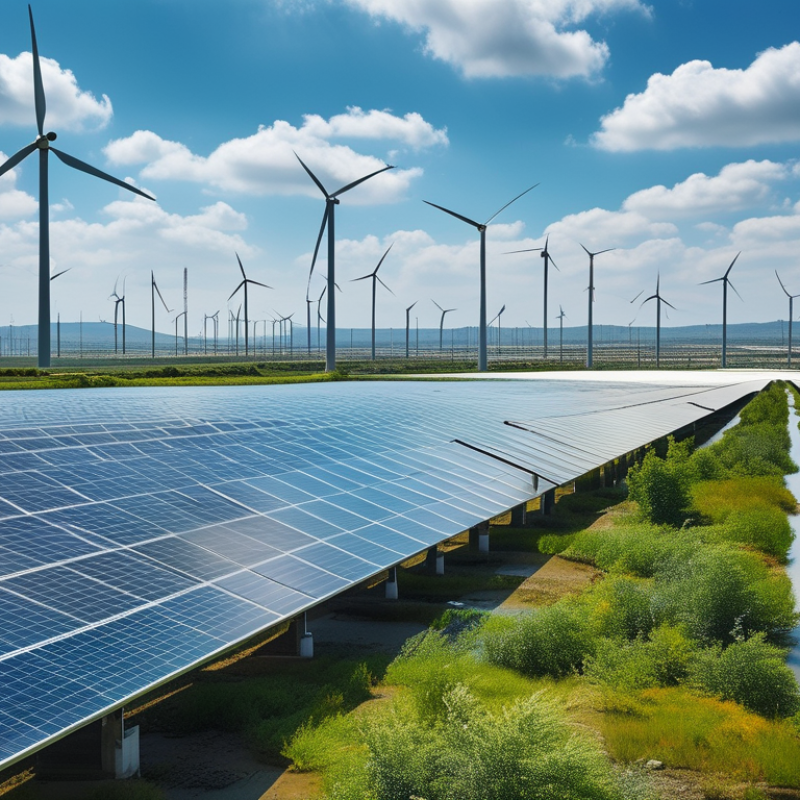
The Role of Stainless Steel in Wind Energy Infrastructure Development
Stainless steel plays a crucial role in wind energy infrastructure development. Its resistance to corrosion ensures longevity, even in harsh environments. Wind turbines operate in diverse climates, facing moisture and salt exposure. Using stainless steel reduces maintenance costs and enhances safety.
The structural integrity of wind turbine components relies on quality materials. Stainless steel components, like bolts and housings, provide the needed strength. They withstand high stress during operation, ensuring reliability. However, not all stainless steel grades are equal; some may lack the required properties for specific applications. This calls for careful selection based on environmental conditions.
Sustainability is another essential factor. The production of stainless steel involves energy-intensive processes, raising concerns. As the renewable energy sector grows, it must consider the environmental impact of materials. Balancing performance and sustainability presents a challenge. The industry must continuously innovate to improve material efficiency.
Why is Stainless Steel Essential for Renewable Energy Equipment? - The Role of Stainless Steel in Wind Energy Infrastructure Development
| Material Properties |
Benefit for Wind Energy |
Applications in Wind Infrastructure |
| Corrosion Resistance |
Enhances lifespan of components exposed to harsh weather |
Turbine towers, gearboxes |
| High Strength-to-Weight Ratio |
Allows for taller turbines with improved energy capture |
Blades, frame structures |
| Durability |
Requires less maintenance, reducing overall operational costs |
Foundation structures, fittings |
| Recyclability |
Supports sustainability goals in renewable energy |
End-of-life turbine disposal, recycling processes |
| Temperature Resistance |
Maintains integrity in extreme environments |
Functional components in varying climates |
Key Properties of Stainless Steel That Benefit Solar Energy Systems
Stainless steel plays a vital role in renewable energy systems, particularly in solar energy applications. Its resistance to corrosion makes it an ideal material for outdoor installations. Solar panels must withstand harsh weather conditions. Stainless steel ensures long-lasting performance, even in extreme climates. This durability translates to lower maintenance costs over time.
Another significant property of stainless steel is its high strength-to-weight ratio. It offers robust structural support without adding excessive weight. This is crucial for solar panel frameworks, which must be both light and durable. Furthermore, stainless steel can be recycled, contributing to environmental sustainability. This aligns perfectly with renewable energy goals.
However, stainless steel is not without limitations. Its initial cost can be higher compared to other materials. This can be a concern for budget-sensitive projects. Additionally, while it is resistant to many elements, it can still corrode in certain environments, such as coastal areas. Addressing these challenges requires careful planning and expertise in material selection.
Comparative Analysis of Stainless Steel and Other Materials for Renewable Tech
Stainless steel is often highlighted for its durability and resistance to corrosion. These properties are crucial in renewable energy sectors, like solar and wind. Unlike aluminum, which can erode under harsh conditions, stainless steel maintains its integrity. This is vital for long-term use in equipment exposed to the elements.
When comparing stainless steel to composite materials, the latter may offer lightweight benefits. However, they often lack the strength that stainless steel provides. This strength is essential for structural components that need to endure mechanical stress. Over time, composites may degrade, but stainless steel often remains functional.
It is essential to consider production processes too. Stainless steel can be recycled effectively, contributing to sustainability. Yet, its production is energy-intensive, which raises concerns. Balancing these factors is crucial for making informed choices in renewable technology. While stainless steel excels in many areas, ongoing evaluation is necessary to address its environmental impact.
Industry Data: Stainless Steel Usage Trends in Renewable Energy Equipment
Stainless steel plays a vital role in renewable energy equipment. According to industry data, approximately 30% of all new wind turbines now incorporate stainless steel components. This metal's resistance to corrosion ensures longevity and reliability. In solar energy systems, stainless steel frames are now standard, as they protect panels from harsh weather conditions.
The demand for stainless steel in renewable energy sectors has grown significantly. A recent report indicated a 15% increase in stainless steel usage over the past five years. Interestingly, while stainless steel is more expensive than some alternatives, its durability often leads to lower maintenance costs. This factor appeals to investors focused on reducing long-term operational expenses.
Challenges remain in recycling stainless steel. While it is an eco-friendly option, recycling processes can be inefficient at times. Many facilities still struggle with outdated methods, affecting downstream supply chains. As the industry evolves, improving recycling techniques could enhance sustainability in renewable energy applications.
Sustainability and Lifespan: The Impact of Stainless Steel on Renewable Energy
Stainless steel plays a critical role in renewable energy systems. Its durability directly influences the lifespan of equipment such as wind turbines and solar panels. According to a report from the International Renewable Energy Agency (IRENA), the lifecycle of stainless steel components can exceed 30 years, significantly reducing the need for replacements. This longevity makes it a sustainable choice in the face of increasing demand for renewable technologies.
Sustainability isn't just about raw materials; it's about efficiency. Stainless steel’s resistance to corrosion contributes to lower maintenance costs. A study from the Steel Recycling Institute highlights that using stainless steel can decrease energy consumption in manufacturing by up to 50%. This means that while the initial investment may seem high, the long-term savings and environmental benefits can be substantial. However, one must reflect on the environmental impact of mining and processing, which can mitigate the overall sustainability narrative.
Recycling rates for stainless steel are exceptionally high, estimated over 90%. However, the recycling process requires energy and resources. Each new manufacturing cycle must weigh environmental impacts carefully. As the renewable energy sector grows, it’s essential to address these complexities. Industry professionals need to promote responsible sourcing and proper recycling practices. This will ensure that stainless steel remains a cornerstone of sustainable energy solutions.
FAQS
: Stainless steel resists corrosion, ensuring durability in harsh weather for long-lasting performance.
Stainless steel is stronger than aluminum and composites, maintaining structural integrity over time.
Its initial cost can be higher, which may concern budget-sensitive projects.
It's recyclable, with a high recycling rate over 90%, aiding environmental sustainability in renewable energy.
They can exceed 30 years, reducing replacement needs and contributing to sustainability.
Yes, mining and processing can negatively affect the overall sustainability narrative despite its benefits.
It offers robust support without excessive weight, crucial for solar panel frameworks.
Its corrosion resistance leads to lower maintenance costs over time.
The recycling process does require energy, so sustainability must be carefully evaluated.
They need to promote responsible sourcing and proper recycling to maximize sustainability benefits.
Conclusion
Stainless steel plays a crucial role in the development of renewable energy systems, particularly in wind and solar energy infrastructure. Its key properties, such as corrosion resistance, strength, and durability, make it an ideal choice for various components within these technologies. For instance, in wind energy, stainless steel is important for the structural integrity of turbines, while in solar energy systems, it ensures longevity and reliability under harsh environmental conditions.
Furthermore, a comparative analysis highlights why stainless steel is used in renewable energy equipment over alternative materials. Industry data reveals a steady increase in stainless steel usage trends across the renewable sector, indicating its growing importance. Additionally, the sustainability and lifespan benefits of stainless steel significantly contribute to the overall efficiency and effectiveness of renewable energy solutions, showcasing its pivotal role in advancing a sustainable future.
 Elite Steel
