Elite Steel
In the construction and manufacturing industries, stainless steel fasteners are popular due to their corrosion resistance and strength. However, a surprising number of projects experience failures with these components. Understanding why stainless steel fasteners fail in some projects is critical for engineers and project managers.
One major reason for failure is improper selection. Different grades of stainless steel have varying properties. Using the wrong grade can lead to issues like stress corrosion cracking. Environmental conditions also play a vital role. Chloride exposure can compromise stainless steel, leading to unexpected failures.
Additionally, inadequate installation practices can contribute to problems. Over-tightening a fastener might cause it to deform, weakening the joint. Moreover, not accounting for thermal expansion can create unexpected stress points. Reflecting on these factors is essential to prevent future failures. Recognizing the complexities surrounding stainless steel fasteners will aid in better project outcomes.
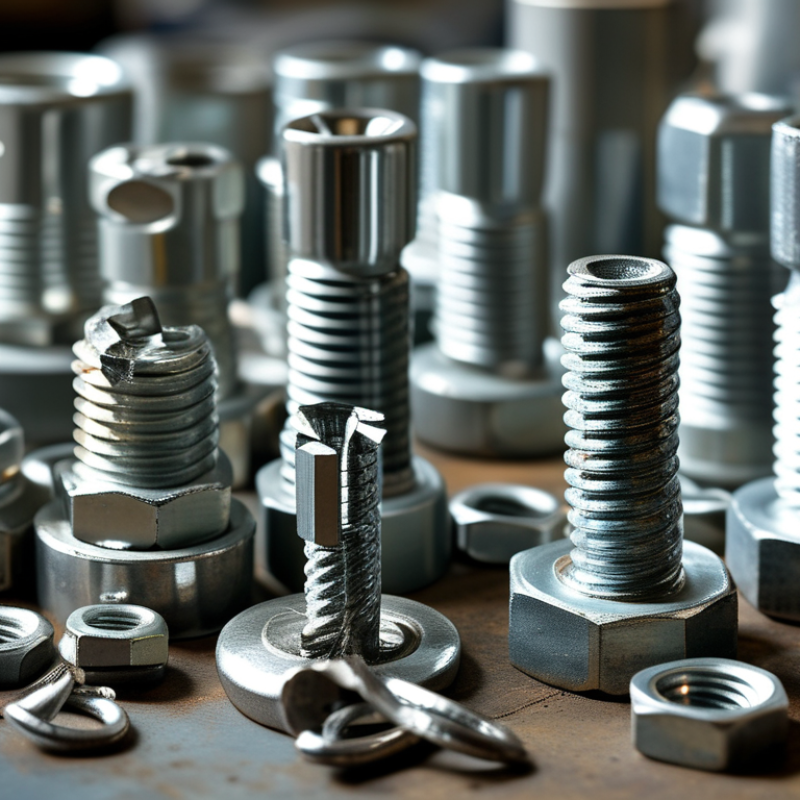
Stainless steel fasteners play a crucial role in many projects, ranging from construction to automotive applications. They resist corrosion and offer durability. Despite these advantages, failures can occur. It's essential to understand their common applications and limitations to avoid costly mistakes.
In construction, stainless steel fasteners are widely used in structures exposed to moisture. However, environmental factors like saltwater can lead to pitting corrosion. This failure mode can compromise the integrity of the entire assembly. Choosing the right grade of stainless steel for the specific conditions is vital.
Tips: Always consider the environment where the fasteners will be used. Avoid using fasteners that lack proper certification for specific applications. Regular inspections can help identify potential failures before they become significant issues.
In automotive applications, stainless steel fasteners provide strength and longevity. However, not all fasteners handle high heat well. The interaction between dissimilar metals can also create galvanic corrosion. It's crucial to ensure compatibility when selecting fasteners for high-performance vehicles.
Tips: Research the specific needs of your project. Take into account factors like temperature and chemical exposure. Documenting any past failures can help guide future choices. Remember, ignoring the basics can lead to unexpected failures.
Stainless steel fasteners are often chosen for their corrosion resistance and strength. However, not all stainless steel is created equal. A significant factor affecting their performance is the grade of stainless steel used. For example, 304 stainless steel is more susceptible to stress corrosion cracking in chloride environments compared to 316 stainless steel. Reports indicate that 30% of fastener failures are attributed to improper material selection.
Another often-overlooked characteristic is the manufacturing process. Cold working can enhance strength but may reduce ductility. This trade-off could lead to brittle failure under stress. Data from the Society of Automotive Engineers shows that improperly specified fasteners contribute to nearly 25% of assembly failures. These failures often result in costly project delays and safety risks.
Surface finish also plays a crucial role in performance. A rough surface can harbor contaminants, leading to localized corrosion. Conversely, a smooth finish often reduces friction, which can aid in assembly but may not hold well under dynamic loads. Industry studies emphasize the importance of both surface and material properties in ensuring the reliability of fasteners in critical applications. Familiarity with these key characteristics can guide better selection and application processes, ultimately reducing the likelihood of failure.
Stainless steel fasteners are widely used due to their corrosion resistance and strength. However, they are not immune to failure. A study by the American Society of Mechanical Engineers indicates that improper material selection is a major factor in fastener failures. Many projects use the wrong grade of stainless steel, leading to issues like stress corrosion cracking. This phenomenon occurs when the metal is exposed to specific environmental conditions, often in the presence of chlorides.
Another common cause of failure lies in installation techniques. Poor tightening practices can lead to problems like galling and thread stripping. Data from the International Journal of Engineering Research shows that nearly 30% of fastener failures stem from improper torque settings during installation. This can compromise the joint's integrity. Environmental factors also play a significant role. In marine environments, salt exposure can accelerate corrosion, even in stainless steel.
It’s essential for engineers and project managers to consider these factors. They must ensure appropriate material selection and follow best practices in installation. Regular inspections can minimize risk. Learning from past mistakes in projects can prevent similar failures in the future. Investing in training and quality control can enhance overall performance.
Stainless steel fasteners are popular due to their durability. However, environmental factors can significantly affect their lifespan. Corrosion is a primary concern. In coastal areas, saltwater can accelerate rusting. High humidity levels can also contribute to moisture accumulation, promoting deterioration.
Chemical exposure poses another risk. Certain industrial environments contain aggressive substances. These can react with the fasteners, weakening their structure. Corrosion-resistant properties vary among stainless steel types. Knowing the project environment helps in selecting the right fasteners.
Temperature fluctuations can lead to expansion and contraction. This stress may cause fatigue over time. Fasteners might loosen under these conditions. Regular inspections are vital. Consider the specific environment of your project carefully. Proper material selection and preventive measures can mitigate these risks.
When selecting stainless steel fasteners, understanding their properties is crucial. Stainless steel is prone to stress corrosion cracking in harsh environments. This can lead to costly failures. Choosing the right grade of stainless steel is essential for durability.
Tips: Always consider the environment in which the fastener will be used. High chloride environments, like coastal areas, may require a higher grade like 316. Lesser grades may corrode quickly, leading to unexpected complications.
Another important practice is proper torque application. Over-tightening can cause galling, creating a weak point. Conversely, under-tightening risks joint failure. Always follow manufacturer guidelines to avoid these pitfalls.
Tips: Use appropriate lubricants on threads to minimize friction and enhance performance. This simple step can significantly prolong the lifespan of the fasteners.
In conclusion, prioritizing quality materials and adhering to best practices reduces the risk of failure. Awareness of the project’s specific needs can prevent future hassles. Always reflect on past experiences to improve future selections.
: They resist corrosion and provide durability, making them ideal for various projects.
Saltwater exposure can significantly lead to pitting corrosion.
Different grades handle specific environmental conditions. Choosing the wrong grade can compromise assembly integrity.
Expansion and contraction due to temperature changes can cause fatigue and loosening over time.
Documenting past failures helps in making informed selections for new projects.
Galvanic corrosion can occur when dissimilar metals interact, affecting performance.
Inspections help identify potential failures before they escalate into significant issues.
Aggressive substances in industrial environments can weaken their structure over time.
The article "Why Do Stainless Steel Fasteners Fail in Certain Projects" explores the critical factors that contribute to the failure of stainless steel fasteners in various applications. It begins by outlining the common uses of these fasteners and their key characteristics, such as corrosion resistance and strength. However, the article highlights that despite these benefits, stainless steel fasteners can still encounter failure due to environmental factors, such as exposure to moisture or aggressive chemicals, which can lead to pitting and crevice corrosion.
Furthermore, the piece delves into common causes of failure, including improper selection and installation practices. It emphasizes the importance of understanding why stainless steel fasteners fail in some projects and offers best practices for selecting and utilizing these fasteners effectively. By addressing these issues, the article aims to enhance the longevity and reliability of stainless steel fasteners in diverse applications.
