Elite Steel
Selecting the right stainless steel for chemical industry applications is critical. Stainless steel's resistance to corrosion and heat makes it a favored choice. According to a recent report by the International Stainless Steel Forum, over 60% of stainless steel is used in the chemical sector. This highlights its importance in manufacturing processes.
However, not all stainless steel grades are suitable for every application. Corrosion resistance varies significantly across different grades. For instance, 316L is highly resistant to chloride attack, while 304 might not hold up as well under similar conditions. These nuances can have substantial impacts on long-term performance and safety.
When considering how to choose stainless steel for chemical industry applications, understanding these material properties is vital. Make decisions based on real-world testing and performance data. While one grade may seem ideal in theory, practical observations can reveal shortcomings. Therefore, thorough research and expert consultation are essential for optimal choices.
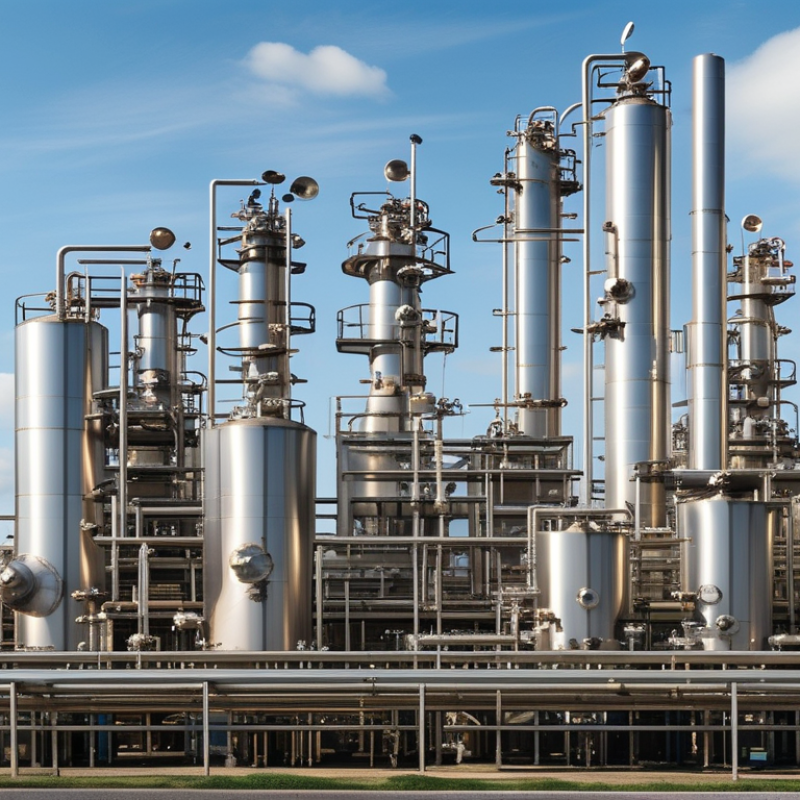
When selecting stainless steel for chemical use, understanding the different grades is crucial. Stainless steel is categorized into various grades based on its composition and properties. For instance, a study from the International Stainless Steel Forum highlights that AISI 304 is one of the most commonly used grades due to its versatility and corrosion resistance. It contains 18% chromium and 8% nickel, making it suitable for a wide range of applications in the chemical industry.
Another significant grade is AISI 316, known for its superior resistance to chlorides. This grade has a higher nickel content and includes molybdenum, providing enhanced durability against harsh chemicals. Industry reports indicate that 316 stainless steel can withstand temperatures up to 870°C, making it ideal for chemical processing in challenging environments. However, one should consider the cost implications, as 316 is more expensive than 304. In making a choice, one might weigh performance against budget constraints.
Furthermore, there are specialized grades such as duplex stainless steels. These grades offer a mix of austenitic and ferritic properties, delivering better strength and resistance to stress corrosion cracking. Studies have shown that duplex grades can have up to twice the yield strength of conventional austenitic grades. Choosing the right grade requires careful analysis of the chemical environment, temperatures, and mechanical stresses involved. There isn't a one-size-fits-all solution; each application presents unique challenges and considerations.
When selecting stainless steel for chemical applications, there are several critical factors to consider. One of the most important is corrosion resistance. Different grades offer varying levels of resistance to specific chemicals. For instance, Type 316 stainless steel is often recommended for its excellent resistance to chlorides, making it ideal for marine environments. In contrast, Type 304 may be suitable for mild environments but lacks the durability required for harsher chemicals.
Another key factor is the steel's mechanical properties. The strength and toughness of the material must align with the demands of your application. According to industry reports, the tensile strength of certain stainless steels can exceed 150,000 psi. This difference can significantly impact performance in high-pressure environments. Additionally, temperature stability is crucial. Some grades maintain their integrity at elevated temperatures, while others do not.
It's also essential to consider the manufacturing processes involved. Welding and fabrication methods can affect the overall integrity of the stainless steel. If the wrong process is used, it could lead to weakened areas that are vulnerable to corrosion. Therefore, understanding the interplay between material selection and fabrication is vital for successful applications in chemical environments. Testing and validation can provide further assurance, yet there remains a margin for error that should not be overlooked.
When selecting stainless steel for chemical use, corrosion resistance is a top priority. Different grades of stainless steel exhibit varying levels of resistance to corrosive environments. For example, some alloys can withstand harsh acids while others may fail under similar conditions. It's crucial to evaluate the specific chemicals involved in your processes. This assessment helps in choosing the right corrosion-resistant grade.
In practice, it’s not always straightforward. Even within the same grade, factors like temperature and concentration can influence performance. A stainless steel that performs well in one situation may not hold up in another. Regular inspections and corrosion monitoring are essential. Awareness of the evolving chemical compositions is vital for maintaining integrity over time. Reflecting on past experiences in similar projects can also provide insight. What worked previously? What didn’t? Engaging with experts and conducting thorough compatibility tests can enhance decision-making.
When selecting stainless steel for chemical environments, mechanical properties are crucial. The ability to withstand corrosion, stress, and temperature changes can determine the material's longevity. According to a report from the ASTM, high corrosion resistance is vital in environments with strong acids and bases. Stainless steel grades such as 316 and 904L are often recommended for their improved resistance to pitting and crevice corrosion.
Evaluating tensile strength and hardness can offer insights into how stainless steel will perform. For instance, the yield strength of 316 stainless steel can reach up to 290 MPa. This can be pivotal in applications requiring high load-bearing capacities. However, it is essential to recognize that mechanical properties can be influenced by heat treatments and work-hardening processes. A study by the International Stainless Steel Forum suggests that improper processing can lead to brittleness, affecting reliability.
Fatigue resistance is another critical factor. Research indicates that stainless steels have variable performance under cyclic loads. For instance, 304 stainless steel shows lower fatigue strength compared to its counterparts. When dealing with fluctuating environments, this aspect cannot be overlooked. Understanding these mechanical properties helps engineers make informed decisions for their specific chemical applications.
| Stainless Steel Grade | Corrosion Resistance | Tensile Strength (MPa) | Yield Strength (MPa) | Elongation (%) | Typical Applications |
|---|---|---|---|---|---|
| 304 | Good | 520 | 215 | 40 | Food processing, Chemical containers |
| 316 | Excellent | 580 | 245 | 40 | Marine applications, Chemical processing |
| 321 | Good | 540 | 215 | 35 | Aerospace, Chemical equipment |
| 430 | Fair | 480 | 185 | 25 | Decorative applications, Automotive |
| 904L | Excellent | 600 | 270 | 45 | Chemical processing, Oil and gas |
When selecting stainless steel for chemical use, a cost-benefit analysis is crucial. Stainless steel options vary in price and performance. Factors like corrosion resistance, strength, and long-term maintenance should guide your choice. Understanding the specific chemicals you will use is essential. Different grades of stainless steel exhibit varying resistance levels.
Consider the best option for your budget. Lower grade stainless steels may save money initially. However, they could lead to higher maintenance costs over time. Evaluate the total cost of ownership, not just the upfront price. This can help you avoid spending more later.
Tips: Investigate the compatibility of materials with chemicals. Perform a risk assessment before making decisions. Keep an eye on market trends for better pricing. Ensure that the selected steel meets industry standards. This may require additional research, but it is worth the effort.
: AISI 304 is widely used due to its versatility and corrosion resistance.
AISI 316 offers superior resistance to chlorides and harsh chemicals, enhancing durability.
AISI 316 is more expensive than AISI 304. Weigh performance against budget constraints.
Duplex steels have a mix of properties, offering better strength and resistance to corrosion.
High temperatures can influence the performance and longevity of different grades of stainless steel.
They determine how well stainless steel withstands corrosion, stress, and temperature changes.
A yield strength of 316 stainless can reach up to 290 MPa, essential for high load-bearing needs.
Heat treatments and work-hardening processes can make steel brittle if not done properly.
Variable performance under cyclic loads affects reliability in fluctuating environments.
Each application has unique demands. No single solution fits all scenarios.
In the article titled "How to Select the Right Stainless Steel for Chemical Use?", various crucial aspects of selecting stainless steel for chemical applications are discussed. It begins with an overview of the different grades of stainless steel, highlighting their unique properties and suitability for chemical environments. Factors such as corrosion resistance play a vital role in the selection process, as they determine the longevity and performance of the material in aggressive chemical settings.
Furthermore, the article emphasizes the importance of evaluating mechanical properties tailored to specific chemical applications. A comprehensive cost-benefit analysis of different stainless steel options is also presented, guiding readers on how to choose stainless steel for chemical industry applications. By considering these factors, one can make an informed decision that balances performance, durability, and cost-effectiveness.
