Elite Steel Elite Steel

How to Select the Best Stainless Steel for Outdoor Applications?

Time:2026-08-14 Author:Isabella
0%

Selecting the right stainless steel for outdoor applications is crucial. Stainless steel's durability and resistance to corrosion make it an ideal choice for various environments. However, not all stainless steels are created equal. Understanding the specific grade and finish suited for outdoor use is essential. According to the American Society for Testing and Materials (ASTM), specific grades like 304 and 316 are preferred for outdoor applications due to their resistance to pitting and rust.

When considering how to choose stainless steel for outdoor use, factors such as exposure to saltwater, humidity, and temperature swings come into play. Reports indicate that around 70% of corrosion issues arise from inadequate stainless steel selection. This highlights the importance of informed decision-making. Many manufacturers provide guidelines, but often these are overlooked.

Choosing the wrong grade could result in costly repairs or replacements. Elements such as the type of outdoor activity, aesthetic preferences, and maintenance efforts should also be weighed. Reflecting on these aspects can lead to a more informed choice, ensuring longevity and functionality.
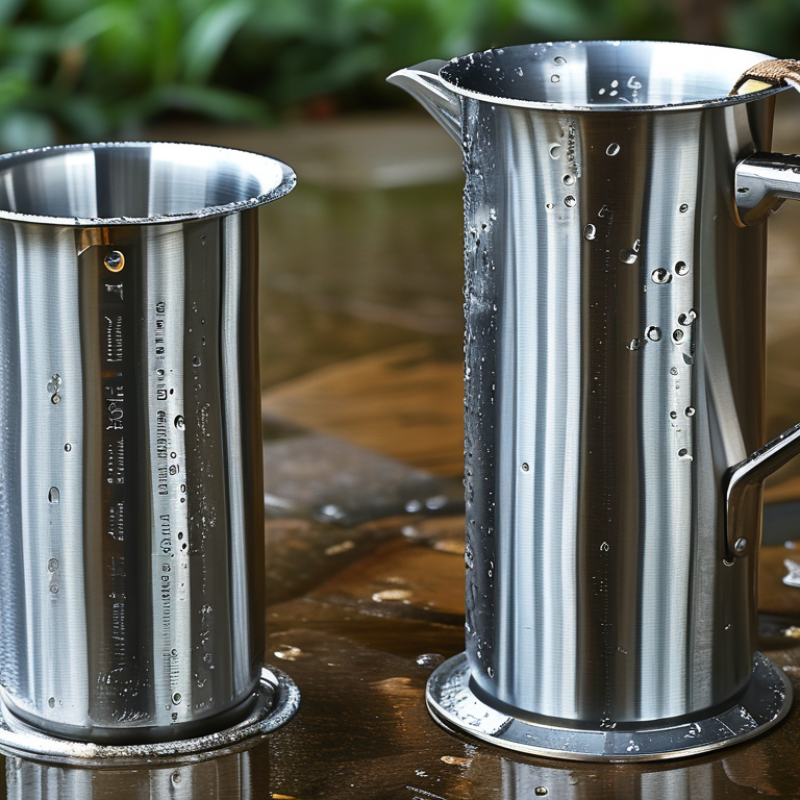
How to Select the Best Stainless Steel for Outdoor Applications?

Factors to Consider When Choosing Stainless Steel for Outdoors

When selecting stainless steel for outdoor applications, several factors come into play. One crucial aspect is corrosion resistance. Outdoor elements like rain and humidity can lead to rust on lower-grade stainless steel. Look for high chromium and nickel content in the alloy. This enhances durability against harsh weather.

Another factor is temperature tolerance. If your application involves exposure to extreme temperatures, ensure the stainless steel can perform well under those conditions. Some grades can become brittle in cold temperatures, while others may warp in heat.

**Tips:** Choose grades like 316 for coastal locations. They resist saltwater well. Always consider the finish of the steel. A well-polished surface can improve resistance to staining and scratching.

Aesthetic appeal can also influence your choice. Various finishes create different looks and textures. Practicality may conflict with design goals. Achieving a balance can be challenging but necessary. Consider how the final product will integrate into its environment.

**Tips:** Test samples in natural settings before making final decisions. This gives insight into how stainless steel performs outdoors. Be aware that sunlight can fade certain finishes over time.

Types of Stainless Steel Suitable for Outdoor Use

When selecting stainless steel for outdoor applications, understanding the types is crucial. Different grades react differently to environmental conditions. The two primary types suitable for outdoor use are austenitic and ferritic stainless steels.

Austenitic stainless steel, like the 304 and 316 grades, is popular for outdoor settings. Grade 316 contains molybdenum, making it more resistant to corrosion, especially in coastal areas. This extra protection is vital when exposed to harsh weather. However, it can be more expensive. Ferritic stainless steels, like grade 430, are less durable but also more affordable. They resist rusting but may not hold up as well in extreme environments.

While choosing the right stainless steel, consider the specific conditions it will face. Factors like humidity, salt exposure, and temperature fluctuations play a role. Understanding these nuances can help avoid costly mistakes. Not all stainless steel is created equal, and the wrong type can lead to premature failure or rust. Each project may require a different approach, reflecting the complexity of outdoor applications.

Corrosion Resistance and Its Importance in Outdoor Environments

Corrosion resistance is crucial when selecting stainless steel for outdoor applications. Common outdoor elements include moisture, salt, and varying temperatures. These factors can accelerate corrosion in metals. According to a report by the International Stainless Steel Forum, nearly 70% of stainless steel failures in outdoor settings stem from inadequate corrosion resistance. This underlines the importance of choosing the right alloy.

Austenitic stainless steels, like 304 and 316 grades, offer superior resistance to rust. Grade 316, with added molybdenum, excels in coastal environments where salt exposure is high. However, it is essential to recognize that not all stainless steels are equally resilient. Even within high-grade options, inadequate surface treatment can lead to corrosion over time. A study published in the Journal of Materials Science indicates that proper passivation techniques can significantly enhance resistance, proving that material selection alone is insufficient.

Visual inspections are vital in monitoring stainless steel structures outdoors. Regular checks can reveal early signs of pitting or discoloration. This proactive approach can mitigate maintenance costs. A 2018 survey highlighted that 40% of industries overlook regular assessments. Ensuring proper maintenance and understanding materials’ limits are key for long-term durability in outdoor applications.

Corrosion Resistance of Various Stainless Steel Grades for Outdoor Applications

Cost vs. Performance: Evaluating Stainless Steel Options

When choosing stainless steel for outdoor applications, understanding cost versus performance is crucial. Different grades of stainless steel offer varying levels of corrosion resistance, strength, and durability. Generally, a higher grade may come with a higher price tag but could save costs in maintenance and replacement over time.

Tips: Consider the location of your installation. Coastal areas require more corrosion-resistant options, like 316 stainless steel. Always assess your budget realistically. Sometimes, an initial lower cost can lead to higher long-term expenses.

Another important factor is the finish of the stainless steel. A polished or treated surface can enhance performance in outdoor settings. Be aware that aesthetic choices may affect functionality and longevity. Not every finish will hold up well against harsh weather conditions.

Tips: Think about the specific outdoor environment. Is it humid or very dry? Conduct regular inspections to ensure the performance aligns with your expectations. Noticing minor wear and tear early on can prevent more significant issues in the future.

Maintenance Tips for Outdoor Stainless Steel Installations

When it comes to outdoor stainless steel installations, maintenance is crucial for longevity. Environmental factors like moisture and salt can cause corrosion over time. Regular cleaning is essential to remove dirt and grime. Use mild soap and warm water with a soft cloth or sponge. Be gentle to avoid scratches.

Consider applying a protective sealant periodically. This helps create a barrier against the elements. Inspect your installations for signs of wear or rust. Addressing issues early can prevent more extensive damage. You might find that some areas require more attention than others. Reflect on your surroundings, as coastal areas may need more frequent checks.

Avoid using abrasive cleaners and tools. These can lead to surface damage and decreased performance. Sometimes, even minor neglect can increase maintenance needs. Keep a maintenance schedule that fits your lifestyle. It's easier to stay on top of care when it's planned. Effective maintenance leads to better performance and durability.

FAQS

: What types of stainless steel are best for outdoor use?

: Austenitic and ferritic stainless steels are suitable for outdoor applications. They handle environmental conditions differently.

Why is corrosion resistance important for outdoor installations?

Corrosion resistance is crucial due to moisture, salt, and temperature changes that can accelerate metal deterioration.

How does grade 316 stainless steel differ from grade 304?

Grade 316 contains molybdenum, enhancing its corrosion resistance, especially in coastal areas.

What are some common maintenance tips for outdoor stainless steel?

Regular cleaning with mild soap and warm water is essential. Use a soft cloth and be gentle.

How can I prevent corrosion on stainless steel installations?

Applying a protective sealant periodically can help create a barrier against environmental elements.

What should I do if I notice signs of wear on my stainless steel?

Inspect the area regularly and address any problems quickly to avoid more extensive damage.

How often should I check my outdoor stainless steel?

Regular inspections are vital; consider your environment for how frequently you should check.

Why might some stainless steel require more maintenance than others?

Areas with high moisture or salt exposure, like coastal regions, may need more attention and care.

What potential mistakes could occur when using stainless steel outdoors?

Choosing the wrong grade or inadequate surface treatment can lead to early rust and failures.

How can I make maintaining stainless steel easier?

Establish a maintenance schedule that fits your routine, ensuring care remains manageable and effective.

Conclusion

When considering how to choose stainless steel for outdoor use, several key factors must be taken into account. First, the outdoor environment's specific conditions, such as humidity, salt exposure, and temperature fluctuations, can significantly impact the performance of stainless steel. Understanding the types of stainless steel suitable for outdoor applications, particularly those that offer superior corrosion resistance, is crucial to ensure longevity and durability.

Additionally, it is essential to evaluate the cost versus performance of different stainless steel options, balancing initial investment with long-term benefits. Proper maintenance practices, including regular cleaning and inspection, can further enhance the lifespan of outdoor stainless steel installations. By taking these considerations into account, one can make an informed decision that meets both aesthetic and functional needs for outdoor projects.

Isabella

Isabella

Isabella is a dedicated marketing professional with a sharp focus on driving brand growth and engagement through strategic content creation. With an extensive background in digital marketing, she combines her passion for storytelling with her keen understanding of industry trends to deliver......