Elite Steel Elite Steel

How to Properly Maintain Stainless Steel Medical Instruments?

Time:2026-05-28 Author:Isabella
0%

Maintaining stainless steel medical instruments is crucial for healthcare quality. Dr. Peter Johnson, a leading expert in medical instrument maintenance, states, "Proper care extends the lifespan of instruments and ensures patient safety." This highlights the importance of knowing how to maintain stainless steel medical instruments.

Medical instruments face daily challenges. They are exposed to various environments and cleaning agents. Mismanaging this can lead to corrosion or functional issues. Therefore, proper maintenance is not just beneficial; it’s essential for healthcare providers. Regular cleaning with recommended solutions should be a priority. Each instrument type may require specific care.

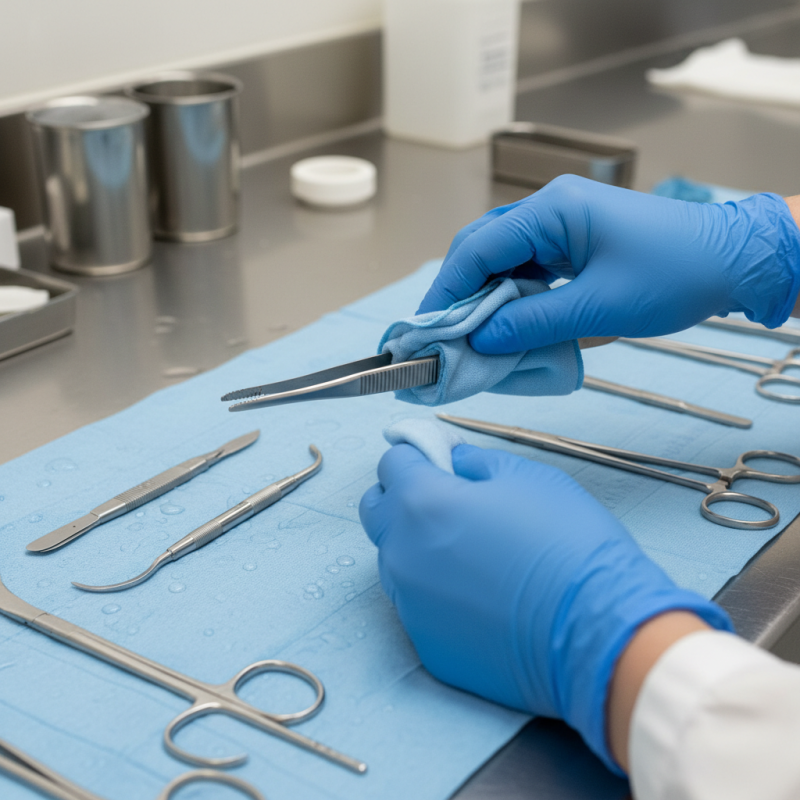
In addition, improper drying techniques can lead to water spots or damage. Experts agree that using a lint-free cloth and air drying are effective methods. Neglecting these details can compromise instrument integrity. Investing time in learning how to maintain stainless steel medical instruments is a reflection of professionalism in the medical field.
How to Properly Maintain Stainless Steel Medical Instruments?

Understanding the Importance of Maintaining Stainless Steel Medical Instruments

Maintaining stainless steel medical instruments is crucial for patient safety and instrument longevity. Stainless steel is resistant to corrosion and staining. However, improper care can lead to significant issues. Regular cleaning and proper storage are essential. Even minor rust spots can harbor harmful bacteria.

A thorough cleaning routine includes washing instruments with warm water and mild detergent. Ensure all residue is removed. Rinse thoroughly to avoid chemical reactions that can damage the steel. Drying is just as important. Leaving moisture can lead to corrosion and impact instrument performance.

Proper storage also plays a vital role. Instruments should be kept in a controlled environment, free from humidity. Use dedicated trays to avoid scratches and damage. Inspecting instruments regularly helps identify wear or damage early. A proactive approach can prevent costly replacements. Remember, neglecting maintenance can lead to serious complications in medical procedures.

Importance of Proper Maintenance of Stainless Steel Medical Instruments

Regular maintenance of stainless steel medical instruments is crucial to ensure their longevity and functionality. This chart highlights the estimated hours spent on various maintenance activities.

Common Types of Stainless Steel Medical Instruments and Their Uses

Stainless steel medical instruments are essential in healthcare settings. They are durable, resistant to rust, and easy to sterilize. Common types of these instruments include surgical scalpels, forceps, and scissors. Surgical scalpels allow for precise incisions, making them vital for operations. Forceps are used for grasping and manipulating tissue, while scissors help in cutting various materials during procedures.

Each instrument has specific uses that demand proper care. For instance, scalpels should be kept sharp and stored safely. Blunt instruments can lead to complications. Forceps need to be checked for damage, as any imperfection can affect their functionality. Regular inspection is crucial. Instruments that are not working well should be repaired or replaced promptly.

Maintaining these tools requires diligence. Cleaning after each use is necessary to prevent contamination. Autoclaving is commonly used for sterilization but may also cause wear over time. Overlooking minor issues can lead to significant problems. Healthcare professionals must be vigilant in monitoring the condition of their instruments to ensure patient safety. Each step, from cleaning to storage, plays a vital role in maintaining the integrity of stainless steel medical instruments.

Step-by-Step Cleaning Procedures for Stainless Steel Instruments

Stainless steel medical instruments require meticulous cleaning to ensure hygiene and longevity. According to a report by the Centers for Disease Control and Prevention (CDC), proper maintenance can reduce infection risks by up to 30%. Start by thoroughly rinsing instruments to remove blood and debris. This step is crucial. It prevents soil from hardening, making later cleaning easier.

Next, immerse the instruments in a solution of warm water and a mild detergent. Allow them to soak for 10-15 minutes. This helps loosen any residual debris. After soaking, scrub each instrument with a soft brush. Pay attention to hinges and crevices; these areas often harbor contaminants. Studies indicate that improper cleaning in these spots can lead to cross-contamination during procedures.

After scrubbing, rinse each instrument under running water to remove any soap residue. Dry them immediately with a lint-free cloth. Believe it or not, air drying can lead to corrosion over time. Finally, inspect each instrument for any signs of damage or wear. A careful inspection can save costs on replacements and enhance safety. Regular maintenance not only prolongs the life of instruments but also upholds the standards of patient care.

Best Practices for Sterilization of Stainless Steel Medical Tools

Sterilization of stainless steel medical instruments is crucial in healthcare settings. Effective sterilization minimizes the risk of infection. The CDC recommends using methods like steam, dry heat, or chemical sterilization. Each method has specific temperature and duration requirements that are essential for effective sterilization.

For instance, steam sterilization typically requires 121°C for at least 15 minutes. Proper monitoring with biological indicators is vital. Only 73% of healthcare facilities regularly perform these tests. This inconsistency can jeopardize patient safety. According to a recent report, improper sterilization practices contribute to a significant number of hospital-acquired infections.

Moreover, pre-sterilization cleaning is often overlooked. Instruments must be free from debris and organic matter. A study highlighted that 25% of tools still retained visible contamination post-cleaning. Utilizing enzymatic cleaners or ultrasonic cleaning devices can improve outcomes. It’s important to evaluate existing protocols regularly to identify gaps in compliance. Regular training for staff about these practices can also enhance sterilization reliability.

How to Properly Maintain Stainless Steel Medical Instruments? - Best Practices for Sterilization of Stainless Steel Medical Tools

Practice Description Frequency Notes
Cleaning Rinse instruments immediately after use to remove debris. After each use Use enzymatic cleaners when necessary.
Disinfection Soak in an appropriate disinfectant solution. Daily or as needed Follow manufacturer's instructions for dilution.
Sterilization Use autoclaving for heat-resistant instruments. After cleaning and disinfection Ensure proper packaging to avoid contamination.
Storage Store in a dry, clean environment to prevent corrosion. Ongoing Use cabinets that allow air circulation.
Inspection Regularly check for signs of wear or damage. Monthly Replace any damaged instruments promptly.

Tips for Long-Term Care and Preservation of Stainless Steel Instruments

Maintaining stainless steel medical instruments is crucial for their longevity and effectiveness. Start by cleaning them immediately after use. Use a mild detergent and warm water to prevent residue buildup. Avoid harsh chemicals that can damage the surface. Rinse thoroughly and dry with a soft cloth to prevent water spots. This simple routine keeps instruments ready for the next use.

Storage also plays an important role. Instruments should be stored in a dry, cool place. Humidity can lead to corrosion over time. Consider using protective covers to prevent scratches. Regularly check for signs of wear or damage. Instruments can sometimes develop imperfections that may affect their function. Being aware of these issues helps maintain their reliability.

Inspection is key in long-term care. Look for rust or discoloration, even if they seem minor. These signs require prompt attention. Ignoring them can lead to larger problems. Regularly review your maintenance procedure to ensure it aligns with best practices. Reflecting on your routine can reveal areas for improvement. Staying proactive is essential for preserving the quality and efficiency of your medical instruments.

FAQS

: What are common types of stainless steel medical instruments?

: Common types include surgical scalpels, forceps, and scissors. Each serves a unique purpose in healthcare settings.

Why is proper care of medical instruments important?

Proper care prevents complications. Blunt or damaged instruments can hinder effectiveness and lead to patient safety issues.

How should stainless steel instruments be cleaned?

Begin by rinsing instruments to remove blood. Soak them in warm water and mild detergent for better debris removal.

What is the risk of air drying medical instruments?

Air drying can lead to corrosion over time. It’s better to dry instruments immediately with a lint-free cloth.

What are effective sterilization methods for medical tools?

Steam, dry heat, and chemical sterilization are recommended. Each method requires specific temperature and time for effectiveness.

How often do facilities test their sterilization methods?

Only 73% of healthcare facilities perform regular biological indicator tests. This inconsistency can compromise patient safety.

What is a common oversight in sterilization practices?

Pre-sterilization cleaning is often overlooked. Instruments must be free from organic matter before sterilization to reduce infection risks.

Why is staff training important in maintaining sterilization reliability?

Regular training helps staff adhere to sterilization protocols. It can improve consistency and reduce the risk of infections.

What should be done if instruments show signs of damage?

Inspected instruments with any damage should be repaired or replaced promptly. This action is crucial for safety in procedures.

How can cleaning practices affect cross-contamination?

Improper cleaning, especially in hinges and crevices, can lead to cross-contamination. Attention to detail is crucial during cleaning.

Conclusion

Maintaining stainless steel medical instruments is crucial for ensuring their longevity and effectiveness in clinical settings. Understanding the importance of proper maintenance involves recognizing the various types of stainless steel instruments commonly used, each serving specific medical purposes. A systematic approach to cleaning involves thorough, step-by-step procedures that remove contaminants while preserving the integrity of the instruments.

In addition to effective cleaning, implementing best practices for sterilization is essential to eliminate microbial risks. To promote the long-term care and preservation of these vital tools, healthcare professionals should adopt regular maintenance schedules and follow specific guidelines designed for stainless steel. By mastering how to maintain stainless steel medical instruments, practitioners can ensure safety, reliability, and optimal performance in their healthcare delivery.

Isabella

Isabella

Isabella is a dedicated marketing professional with a sharp focus on driving brand growth and engagement through strategic content creation. With an extensive background in digital marketing, she combines her passion for storytelling with her keen understanding of industry trends to deliver......