How to Prevent Stainless Steel from Rusting Effectively?

Time:2026-03-20 Author:Henry
0%

Stainless steel is popular for its durability and aesthetic appeal. However, many people struggle with rust on their stainless steel items. This raises the question: How to prevent stainless steel from rusting?

Rust can form due to various factors. Exposure to moisture, harsh chemicals, or even salt can lead to corrosion. Regular cleaning is vital. A simple wipe with a damp cloth can help. Yet, some overlook this basic maintenance, leading to costly rust damage over time.

In the quest for longevity, understanding the environmental impact is crucial. Areas with high humidity or salty air pose greater risks. Keeping stainless steel dry is essential, but it’s easy to forget. Ensuring proper care can extend the life of your stainless steel products significantly.
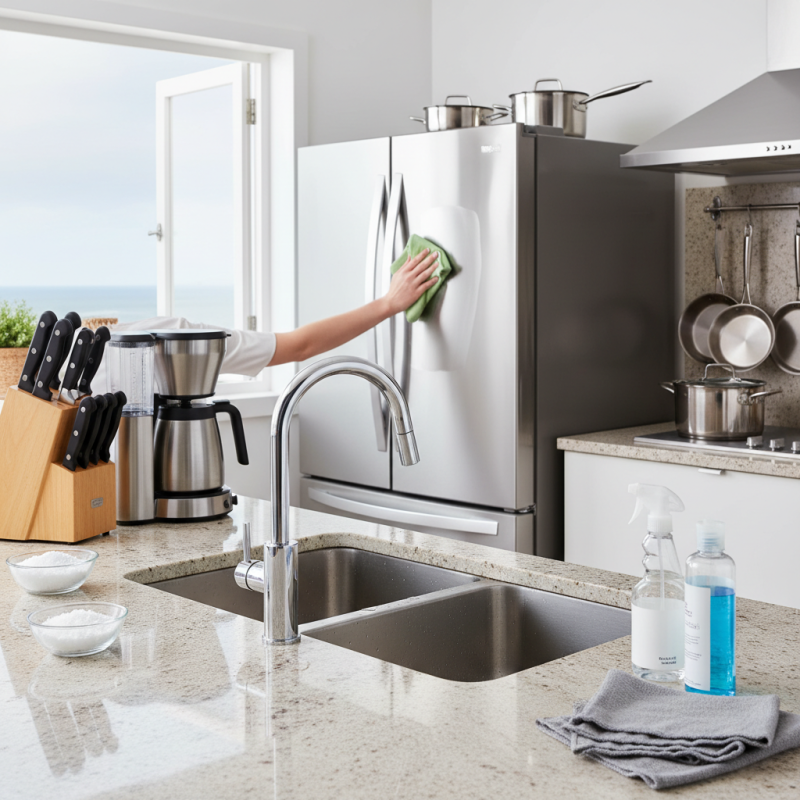
How to Prevent Stainless Steel from Rusting Effectively?

Understanding Stainless Steel and Its Composition

Stainless steel is known for its resistance to rust and corrosion. This durability results from its unique composition, primarily alloying iron with chromium. When chromium is exposed to oxygen, it forms a protective layer of chromium oxide. However, this layer can be compromised. Exposure to chlorides, moisture, and contaminants can lead to pitting or rust formation.

Investing in high-quality stainless steel can offer better corrosion resistance. According to industry reports, grades like 304 and 316 are commonly used. Grade 316, enriched with molybdenum, is more resistant to corrosion than grade 304. Understanding these differences matters, especially in coastal areas or environments with high humidity.

Tip: Regular cleaning is essential. Use a mild detergent and warm water. Avoid harsh chemicals that can damage the protective layer.

Tip: Inspect your stainless steel items periodically. Look for signs of corrosion early. Small issues can be treated promptly, preventing larger problems later.

Be mindful of scratching the surface. Scratches can disrupt the protective layer and lead to rust. Applying a protective finish can help maintain the surface integrity over time.

Common Causes of Rusting in Stainless Steel

Stainless steel is known for its resistance to rust. However, it can still corrode under certain conditions. Understanding the common causes of rusting is vital to maintaining its appearance and function.

One major cause is exposure to moisture. High humidity environments can lead to the formation of small rust spots. These spots often originate from trapped water or condensation. Another factor is the presence of chlorides. Saltwater or even road salt can accelerate rusting, especially in coastal areas. It's important to periodically clean surfaces exposed to such elements.

Lastly, lack of maintenance contributes significantly. Dust and debris can create a corrosive environment if not removed. Without proper care, these particles can lead to pitting. It’s crucial to inspect stainless steel regularly and promptly address any signs of corrosion. Being aware of these risks can help prevent further damage.

How to Prevent Stainless Steel from Rusting Effectively? - Common Causes of Rusting in Stainless Steel

Causes of Rusting Prevention Methods Recommended Maintenance Frequency
Exposure to Chlorides Use higher-grade stainless steel; rinse with fresh water after exposure Monthly
Poor Maintenance Regularly clean surfaces to remove dirt and contaminants Weekly
Metal-on-Metal Contact Use plastic or nylon spacers to avoid contact As needed
Environmental Factors Apply protective coatings or sealants Annually
Scratches and Damage Repair scratches immediately; polish to restore surface As needed

Effective Cleaning Techniques to Prevent Rust

Stainless steel is known for its resistance to rust. However, poor maintenance can lead to corrosion. Regular cleaning is crucial to maintain its shine. A study from the Corrosion Society highlights that up to 30% of stainless steel failures are due to inadequate cleaning.

Effective cleaning techniques are vital. Use diluted vinegar or mild soap. These solutions lift dirt and grime without harsh chemicals. Many professionals recommend doing this at least once a month. Rinse thoroughly to remove all residues. Residues can trap moisture, leading to rust.

Pay attention to the environment. High humidity accelerates rust formation. Use silica gel packets or dehumidifiers in storage areas. Even though stainless steel is durable, neglecting these practices can lead to visible deterioration. Rust may seem minor but can affect structural integrity. Regular care is essential for longevity.

Protective Coatings and Treatments for Stainless Steel

Protecting stainless steel from rusting is crucial. One effective method is using protective coatings. These coatings form a barrier that prevents moisture from reaching the metal. Common options include powder coatings and clear sealants. They help maintain the aesthetic appeal while providing rust resistance.

Another treatment involves applying stainless steel passivation. This process enhances the natural oxide layer of the metal. It helps to improve corrosion resistance significantly. Regular maintenance, like cleaning with mild detergents, preserves the protective layer. Avoid harsh chemicals that can damage the surface.

Despite these methods, some users face challenges. Coatings may wear off over time, necessitating reapplication. Environmental conditions and wear can affect their efficiency. Individuals should regularly inspect their stainless steel products. Reflecting on these aspects can lead to better care practices.

Routine Maintenance Practices for Longevity

Routine maintenance is key to keeping stainless steel items in top condition. Regular cleaning is crucial. Use mild soap and warm water for daily cleaning. This helps remove dirt and grime. A soft cloth or sponge works well. Rinse thoroughly with clean water. Leaving soap residue can lead to spots and tarnishing.

Inspect your stainless steel regularly. Look for any signs of damage or rust. Catching issues early can prevent bigger problems later. If you spot rust, use a non-abrasive scrubber with baking soda or a dedicated cleaner. Rinse and dry immediately after. Avoid using steel wool, as it can create scratches.

Consider the environment too. Areas with high humidity or salt exposure can accelerate rusting. If possible, keep stainless steel items in a drier location. For outdoor furniture, cover them when not in use. These small steps can extend the lifespan of your stainless steel items. By being attentive, you can maintain their shine and functionality.

Preventing Stainless Steel from Rusting: Routine Maintenance Practices

FAQS

: How often should I clean stainless steel to prevent rust?

: It’s recommended to clean stainless steel at least once a month.

What should I use for cleaning stainless steel?

Use diluted vinegar or mild soap to lift dirt without harsh chemicals.

Why is rinsing important after cleaning?

Rinsing removes residues that can trap moisture, leading to rust.

What can high humidity do to stainless steel?

High humidity can accelerate rust formation on stainless steel.

How can I reduce humidity in storage areas?

Use silica gel packets or dehumidifiers to keep areas dry.

What should I inspect regularly on stainless steel items?

Look for signs of damage or rust during inspections.

How can I treat minor rust spots?

Use a non-abrasive scrubber with baking soda or a dedicated cleaner.

Is steel wool safe for cleaning stainless steel?

No, steel wool can create scratches and worsen the problem.

What’s a simple daily cleaning method?

Use mild soap and warm water with a soft cloth.

Why is regular maintenance essential?

Neglect can lead to deterioration and affect structural integrity.

Conclusion

Stainless steel is valued for its durability and resistance to corrosion, but it can still rust under certain conditions. To understand how to prevent stainless steel from rusting, it is crucial to recognize its composition, which typically includes chromium that forms a passive layer against corrosion. However, common causes of rusting include exposure to moisture, salt, or corrosive chemicals.

Effective cleaning techniques, such as using mild detergents and avoiding abrasive materials, play a significant role in rust prevention. Additionally, applying protective coatings or treatments can enhance the resilience of stainless steel surfaces. Regular maintenance practices, such as inspecting for signs of wear and promptly addressing any damage, are essential for ensuring longevity and maintaining the stainless steel's appearance. By following these strategies, one can effectively combat rust and preserve the integrity of stainless steel for years to come.

Henry

Henry

Henry is a dedicated marketing professional with a profound expertise in the company's offerings. With years of experience in the industry, he possesses an impressive understanding of the market dynamics and consumer behaviors that drive success. Henry is committed to sharing his insights through......