Elite Steel Elite Steel

How to prevent stainless steel rust for long lasting durability?

Time:2026-07-20 Author:Isabella
0%

Stainless steel is revered for its corrosion resistance, yet it is not impervious to rust. Understanding how to prevent stainless steel from rusting is crucial for maintaining its longevity and aesthetic appeal. Industry reports indicate that improper maintenance can lead to rust formation, reducing stainless steel's lifespan by up to 60%. Such statistics highlight the need for effective preventive measures.

Experts stress the importance of routine cleaning and maintenance. James Smith, a leading metallurgist at the National Steel Association, emphasizes, "Regular care is key to preventing rust on stainless surfaces." His insights underscore that even minor neglect can result in significant deterioration and costly repairs.

Choosing the right cleaning agents is essential. Abrasive or chlorine-based products can worsen corrosion. Additionally, environmental factors like humidity and salt exposure play a significant role in the rusting process. Regular inspections can reveal early signs of corrosion, allowing for timely intervention. Despite its reputation, stainless steel requires attention and proper care to maintain its integrity over time.
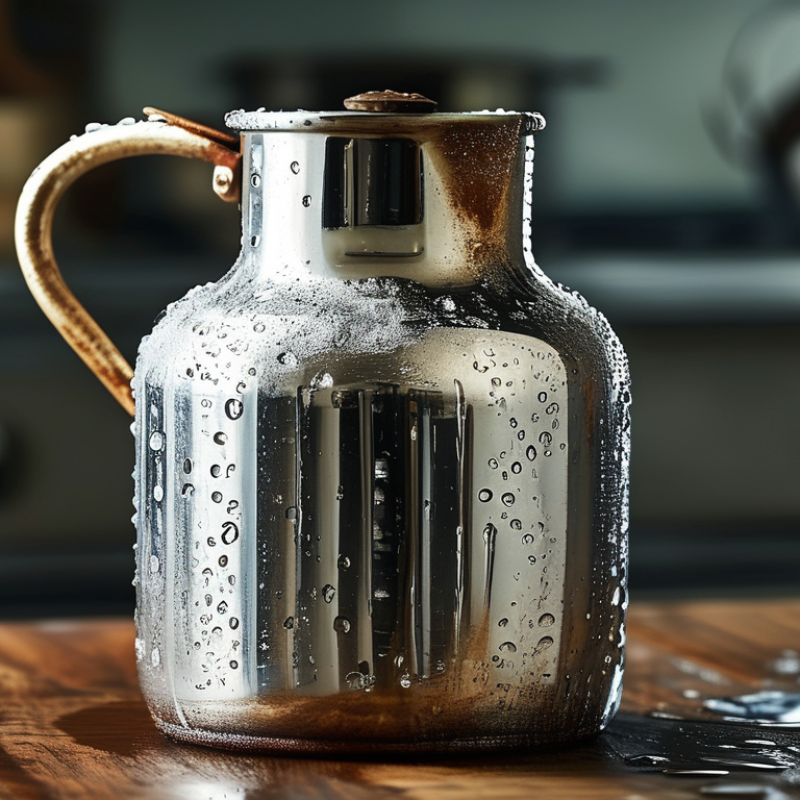
How to prevent stainless steel rust for long lasting durability?

Understanding Stainless Steel and Its Types

Stainless steel comes in various types, each with distinct features. The most common types include austenitic, ferritic, and martensitic stainless steels. Austenitic stainless steel is known for its excellent corrosion resistance and is often used in kitchen appliances and medical equipment. Ferritic stainless steel, while not as resistant, provides good strength and moderate corrosion resistance, making it suitable for automotive applications. Martensitic stainless steel offers high strength and hardness but can be prone to rust if not properly maintained.

To ensure longevity, understanding the composition of these stainless steel types is essential. For example, austenitic stainless steel typically contains high levels of nickel and chromium. This combination enhances its resistance to rust. However, this does not mean it is completely immune. Environmental factors like moisture and salt exposure can lead to pitting and corrosion. Regular cleaning is crucial, as dirt can trap moisture against the surface.

Despite its robust nature, stainless steel is not indestructible. Even high-quality grades can suffer from rust under certain conditions. Users may overlook small scratches, which can become corrosion points over time. Understanding your specific application and the environment can guide better maintenance practices. Regular inspection allows for early detection of any issues, ensuring the beauty and durability of stainless steel products.

How to Prevent Stainless Steel Rust for Long Lasting Durability

Common Causes of Rust on Stainless Steel

Rust is a common issue that can affect stainless steel, despite its name. This material contains chromium, which helps resist corrosion, but there are conditions that can lead to rust formation. Common causes include exposure to salt, moisture, and harsh chemicals. Saltwater environments can quickly trigger rust, especially in coastal areas. Simple tasks like cleaning stainless steel equipment after use can help prevent this.

Another significant factor is the presence of iron particles. These can come from various sources, such as metal tools or environmental debris. When these particles land on stainless steel, they can create localized corrosion spots. Regularly cleaning your stainless steel items helps minimize this risk. Wiping surfaces with a soft cloth can remove debris and prevent rust buildup.

Mechanical damage also poses a risk. Scratches on the surface can compromise the protective chromium layer. Even minor abrasion can expose the underlying metal. Using non-abrasive cleaning pads can mitigate this issue. It might be tempting to ignore small scratches, but they can lead to bigger problems over time. Regular maintenance and inspection can help catch these early warning signs.

How to prevent stainless steel rust for long lasting durability? - Common Causes of Rust on Stainless Steel

Cause of Rust Description Prevention Tips
Chloride exposure Presence of chlorides, especially from salt, which can lead to pitting corrosion. Rinse the surface after exposure and use protective coatings.
Moisture accumulation Trapped moisture can create an environment for rust to develop. Ensure proper drainage and ventilation in storage areas.
Scratches and damage Surface damage can expose underlying metal to corrosion. Repair scratches promptly and maintain surface integrity.
Poor cleaning habits Residue left on the surface can lead to staining and rusting. Clean regularly with non-abrasive cleaners and dry thoroughly.
Lack of passivation Insufficient passivation can reduce corrosion resistance. Ensure proper passivation treatment during manufacturing.

Effective Cleaning Techniques for Stainless Steel

Stainless steel is valued for its durability and aesthetic appeal. However, proper cleaning techniques are essential to maintain its shine and prevent rust. Regular cleaning can keep stainless steel looking new. A simple mixture of warm water and mild soap is often effective. Use a soft cloth to wipe the surface gently. This method removes fingerprints and dust without causing scratches.

For tougher stains, a baking soda paste can work wonders. Mixing baking soda with water creates a gentle abrasive yet effective cleaner. Apply it to the affected area and let it sit for a few minutes. Then, scrub lightly with a soft sponge. Rinse thoroughly and dry immediately to avoid water spots. Be cautious with steel wool or harsh chemicals. They can damage the surface, creating opportunities for rust.

Even with regular cleaning, some imperfections may persist. Accepting that stainless steel can show wear is important. While it remains durable, the finish may dull over time. A yearly deep clean can restore its brilliance. Wearing gloves can also help. This minimizes the transfer of oils from your skin, which can attract dirt. Always remember, proper care goes a long way in preserving the integrity of stainless steel.

Protective Coatings and Treatments for Durability

Stainless steel is celebrated for its resistance to rust. However, this doesn’t mean it is immune to corrosion. To ensure longevity, protective coatings can provide an added layer of defense. Various treatments can enhance the material's durability, making it more resilient against environmental factors.

One effective method is applying a clear protective coating. This creates a barrier against moisture and contaminants. Another option is passivation, a process that removes free iron from the surface. This improves corrosion resistance significantly. Additionally, an anti-corrosion oil treatment can be beneficial for outdoor items. Regular maintenance checks are crucial to identify any early signs of wear.

Not all coatings are created equal. They can vary in thickness and application methods. It's essential to choose the right type based on the specific environment. Be mindful that some coatings may chip or wear over time. Regular reapplication could be necessary, depending on usage. Think about the conditions your stainless steel items face. It’s a continuous effort to keep them in top shape.

Best Practices for Maintenance and Care of Stainless Steel

Stainless steel is known for its durability and resistance to rust. However, improper maintenance can lead to corrosion. Regular cleaning is essential. Use a mild detergent and a soft cloth. Avoid abrasive materials, as they can damage the surface. Rinse thoroughly with clean water and dry with a soft towel.

Environmental factors also play a role. High humidity and salty air can accelerate rust formation. If you live near the coast, consider additional protective measures. Applying a specialized stainless steel cleaner may help. It's crucial to check for any signs of corrosion regularly. Address issues promptly to prevent further damage.

Storage is another key aspect. Keep stainless steel items in a dry environment. Avoid storing them in places where they can come into contact with moisture. Nevertheless, even with the best practices, rust can still occur. Regular inspections and prompt repairs are necessary for long-term durability. Adapt your maintenance routine based on usage and exposure to harsh elements.

FAQS

: What are the main types of stainless steel?

: The main types include austenitic, ferritic, and martensitic stainless steels, each with unique properties.

How do austenitic stainless steels resist corrosion?

They contain high levels of nickel and chromium, enhancing their rust resistance but not making them immune.

What environmental factors cause rust on stainless steel?

Salt, moisture, and harsh chemicals can lead to corrosion, especially in coastal areas.

How can small scratches affect stainless steel?

Scratches can expose the metal beneath, becoming points for potential rust if not properly maintained.

What is an effective cleaning solution for stainless steel?

A mixture of warm water and mild soap works well for regular cleaning.

Can baking soda help remove stains from stainless steel?

Yes, a baking soda paste can effectively clean tougher stains without scratching the surface.

Are there any risks with using steel wool on stainless steel?

Yes, steel wool can damage the surface, leading to opportunities for rust development.

How important is regular cleaning for stainless steel?

It's crucial for maintaining shine and preventing rust, as dirt can trap moisture against the surface.

What should you do if stainless steel shows signs of wear?

Accept that wear is natural, but a yearly deep clean can help restore its brilliance.

How can you minimize oil transfer during cleaning?

Wearing gloves can help reduce oil transfer from your hands, keeping surfaces cleaner.

Conclusion

To understand how to prevent stainless steel from rusting, it is essential to first familiarize yourself with the various types of stainless steel and the common causes of rust. Despite its corrosion-resistant properties, stainless steel can still rust due to improper maintenance, exposure to harsh environments, or contaminants. Effective cleaning techniques, such as using mild detergents and avoiding abrasive materials, can help maintain the metal's integrity.

Additionally, applying protective coatings and treatments can enhance durability, while consistent maintenance practices ensure long-lasting performance. Regularly inspecting stainless steel surfaces for signs of wear or damage and promptly addressing them is crucial. By following these guidelines and understanding the factors that contribute to rust, you can effectively preserve the quality and appearance of stainless steel for years to come.

Isabella

Isabella

Isabella is a dedicated marketing professional with a sharp focus on driving brand growth and engagement through strategic content creation. With an extensive background in digital marketing, she combines her passion for storytelling with her keen understanding of industry trends to deliver......