Elite Steel
Stainless steel products are prized for their durability and modern appeal. However, many users encounter a frustrating issue: discoloration. Why do some stainless steel products discolor? Factors range from the quality of the material to environmental conditions. Poor-quality steel can show stains more easily. High heat, chemicals, and even hard water can accelerate discoloration, leaving unsightly marks on what should be a gleaming surface.
Household cleaning products can also play a role. Using abrasive cleaners or scrubbing too hard can cause micro-scratches that trap dirt and bacteria. Over time, these factors can lead to a dull and tarnished appearance. Regular maintenance and proper care are crucial. It's essential to understand the specifics of the product you own. This knowledge empowers users to make informed choices and mitigate risks.
In this guide, we will share ten actionable tips to prevent discoloration in stainless steel products. By applying these strategies, you can prolong the life and beauty of your stainless steel items. It’s about finding the balance between everyday use and mindful maintenance. Let's dive into practical steps you can take right away.
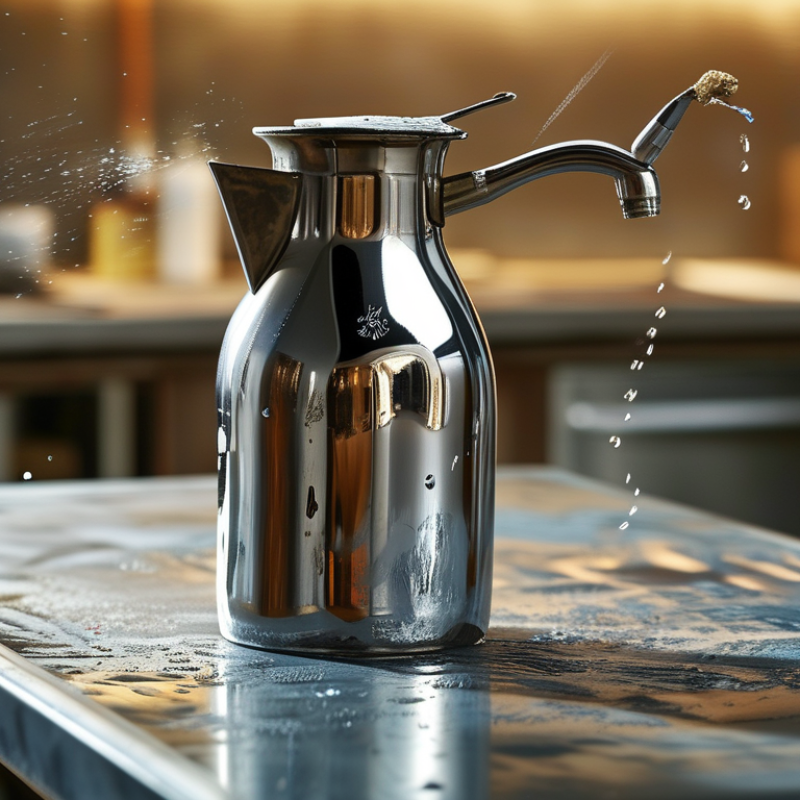
Stainless steel is known for its durability and resistance to corrosion. However, discoloration can still occur due to various factors. One leading cause is exposure to high temperatures, which can result in heat tints on the surface. According to industry reports, over 30% of stainless steel users experience discoloration issues due to improper handling during welding processes.
Another significant factor contributing to discoloration is chemical exposure. Many household products contain acid or chlorine. A study found that nearly 40% of stainless steel products show signs of discoloration when exposed to these chemicals frequently. This is often seen in kitchen environments where stainless steel appliances encounter cleaning agents regularly. The use of abrasive cleaners further exacerbates the problem, causing micro-scratches that make discoloration more likely.
It's essential to recognize these factors to maintain the appealing look of stainless steel products. Users often overlook the impact of environmental conditions, such as humidity and salt exposure, especially in coastal regions. While stainless steel is inherently resistant to rust, prolonged exposure to these elements can lead to unsightly stains. Regular maintenance and being mindful of cleaning methods can significantly reduce the risk of discoloration.
Cleaning stainless steel products properly is essential to prevent discoloration. It’s important to choose non-abrasive cleaners. Products with harsh chemicals can lead to unwanted marks. According to a study by the International Stainless Steel Forum, improper cleaning can compromise the protective layer. This layer is crucial for maintaining the metal’s luster and resistance.
Using a soft cloth and warm water is often enough for routine maintenance. For tougher stains, a mixture of vinegar and baking soda can be effective. This natural solution is gentle and won’t harm the surface. Experts recommend avoiding steel wool or abrasive pads, as they can scratch and dull the finish. Additionally, high temperatures during cleaning can exacerbate discoloration.
Even with the right methods, discoloration can still occur. Factors like exposure to humidity and acidic substances can contribute to this issue. A report from the Journal of Materials Science highlights the effects of environmental variables on stainless steel. Regular inspection is vital to catch signs of damage early. Maintaining good cleaning habits is essential for preserving the aesthetic appeal of stainless steel.
High-heat environments can be detrimental to stainless steel products. When exposed to extreme temperatures, the protective layer of chromium can suffer. This can lead to discoloration, known as heat tint. It can occur during cooking, welding, or even close proximity to flames. This discoloration not only affects appearance but can also reduce corrosion resistance over time.
To mitigate this issue, it's essential to maintain a comfortable temperature range for your stainless steel items. Cooking at lower settings may be wise. If using stainless steel cookware, avoid direct flames and intense heat. Also, ensure proper ventilation to prevent high heat buildup. Additionally, when welding, use a heat sink or cooling method to minimize heat exposure to the surrounding stainless steel.
It's crucial to reflect on how these practices can enhance durability. Many users overlook the impact of heat and the long-term consequences of neglecting it. Protecting stainless steel involves awareness and thoughtful usage. Small adjustments in your cooking and handling practices can prevent costly discoloration.
This bar chart illustrates the risk levels associated with various factors that contribute to the discoloration of stainless steel products. Exposure to high heat presents the highest risk, followed by chemical exposure and improper cleaning practices. Keeping stainless steel items free from moisture and maintaining a proper finish can help reduce these risks.
Protective coatings can significantly reduce discoloration in stainless steel products. Many professionals highlight their importance in various industries. According to a report by the Stainless Steel Association, nearly 70% of corrosion issues in stainless steel are related to surface damage. Applying a protective coating can be an effective step to take.
These coatings, such as clear lacquers or epoxy finishes, create a barrier between the metal and environmental elements. This barrier helps to prevent contact with harsh chemicals and moisture, which can lead to staining. A study published in the Journal of Protective Coatings and Linings noted that coated stainless steel exhibited 50% less discoloration over five years compared to uncoated surfaces.
However, the application process requires careful consideration. Improper cleaning before application can lead to adhesion failure. Additionally, periodic maintenance is necessary to ensure longevity. Even with the best coatings, wear and tear can happen. Continuous evaluation of the coating condition is essential. Regular inspections help identify potential issues early, reducing the risk of severe discoloration.
| Tip | Description | Recommended Coating |
|---|---|---|
| 1. Regular Cleaning | Clean with mild soap and water to prevent accumulation of dirt and grime. | N/A |
| 2. Avoid Abrasive Cleaners | Use non-abrasive cleaners to prevent scratching the surface. | N/A |
| 3. Use Protective Coatings | Apply coatings that resist stains and enhance surface durability. | Ceramic Coatings |
| 4. Avoid Chlorine | Keep stainless steel away from chlorine-based products. | N/A |
| 5. Store Properly | Store in a dry place to reduce moisture exposure. | N/A |
| 6. Avoid Contact with Iron | Prevent stainless steel from coming into contact with iron particles. | N/A |
| 7. Use a Soft Cloth | Wipe surfaces with a soft cloth to avoid scratches. | N/A |
| 8. Apply Wax | Use automotive wax occasionally to protect the surface. | Car Wax |
| 9. Rinse After Use | Rinse products after use to remove any acidic residues. | N/A |
| 10. Professional Maintenance | Consider professional cleaning and maintenance services. | Commercial Steel Cleaners |
Stainless steel products can lose their shine over time if not maintained properly. Regular upkeep is essential for preserving their appearance. Simple cleaning routines can make a significant difference.
Use a soft cloth and mild soap to wipe surfaces regularly. Avoid harsh chemicals, as they can cause scratches or damage the finish.
For deeper cleaning, consider a mixture of vinegar and water. This solution can effectively remove stubborn stains and restore the luster of stainless steel. Always rinse the surface with water afterward to ensure no residue remains. Drying the surface immediately prevents water spots, which can lead to discoloration.
Pay attention to the areas that are often neglected, like the corners and crevices. These spots can trap dirt and moisture. Routinely check these areas and clean them carefully. Remember that even small mistakes in maintenance can lead to bigger issues later. Over time, neglect can result in permanent discoloration or tarnish that could have been easily prevented.
: Discoloration can occur from high temperatures, chemical exposure, and improper handling, especially during welding.
Many household cleaners contain acids or chlorine, which can stain stainless steel. Frequent exposure increases discoloration risks.
Heat tints are discolorations caused by high temperatures on stainless steel surfaces, often seen during welding processes.
Protective coatings create a barrier to prevent staining from chemicals and moisture, significantly reducing discoloration.
Use a soft cloth and mild soap regularly. Avoid harsh chemicals to prevent scratches and damage to the finish.
A vinegar and water mixture is effective. Always rinse and dry immediately to prevent water spots and further discoloration.
Yes, corners and crevices often trap dirt. Neglecting them can lead to staining and discoloration over time.
Periodic maintenance and inspections are key. Check for wear and tear to prevent adhesion failure and severe discoloration.
Yes, cleaning improperly before applying coatings can lead to adhesion issues. It's a common oversight that can lead to bigger problems.
Yes, even minor neglect can result in permanent discoloration or tarnish. Consistency in maintenance is crucial for appearance.
Stainless steel is known for its durability and resistance to rust, but many people often wonder, "Why do some stainless steel products discolor?" The causes of discoloration can range from exposure to harsh chemicals and high temperatures to improper cleaning methods. Understanding these factors is essential for preserving the appearance and integrity of stainless steel items.
To maintain stainless steel, it's crucial to implement proper cleaning techniques using gentle, non-abrasive materials and to avoid exposing the metal to high-heat environments, which can lead to discoloration. Additionally, applying protective coatings can help prevent staining, while regular maintenance routines will ensure stainless steel products remain in excellent condition and retain their shiny finish for years to come.