In harsh environments, stainless steel is not always immune to corrosion. Understanding "Why does stainless steel corrode in certain environments" is crucial. Dr. Emily Carter, a leading expert in corrosion science, notes, “Environmental factors play a significant role in the corrosion of stainless steel.”
Corrosion often occurs due to high chloride levels, humidity, and temperature extremes. These conditions can create an environment where stainless steel loses its protective oxide layer. This can happen in coastal areas or industrial settings, leading to unexpected failures.
It's essential to evaluate the specific environment and recommend protective measures. Techniques like applying protective coatings or using corrosion-resistant alloys can be effective. However, there's no one-size-fits-all solution. Continuous monitoring and maintenance are necessary to ensure longevity. Addressing these issues requires a collaborative effort among engineers, manufacturers, and facility managers.
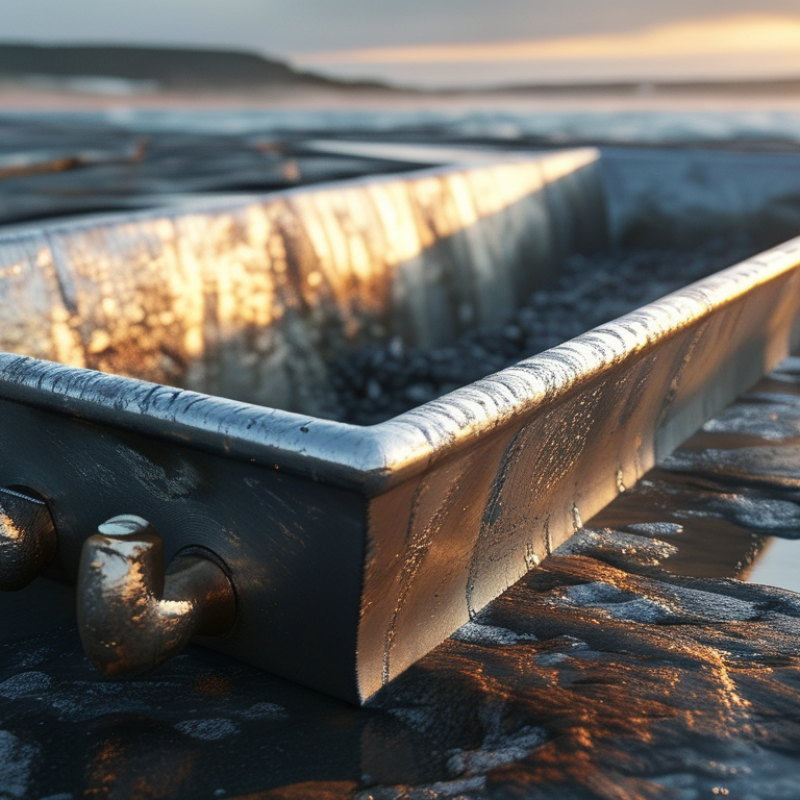
Understanding Corrosion and Its Impact on Stainless Steel
Corrosion is a critical issue that affects stainless steel, especially in harsh environments. Understanding its mechanisms is vital. Exposure to chlorides, humidity, and temperature fluctuations can accelerate corrosion. Studies show that over 25% of stainless steel failures are due to corrosion, leading to significant economic losses.
To protect stainless steel, it's important to minimize its exposure to corrosive elements. Regular cleaning is essential. Dirt and salt can trap moisture, leading to pitting. Ensure equipment is dried after exposure to water. This simple action can extend the lifespan of stainless steel components.
Another effective strategy involves using protective coatings. These coatings create a barrier against corrosive agents. However, the durability of these coatings requires regular inspection. It's easy to overlook this maintenance step, but neglect can result in costly repairs.
Proper storage of stainless steel materials is equally crucial. Keeping them in dry, indoor environments helps mitigate exposure to corrosive substances. Remember, awareness is key. Every environment is unique, and monitoring corrosion risks is an ongoing process. Adaptation and vigilance will lead to better outcomes.
Factors Contributing to Corrosion in Harsh Environments
Corrosion in stainless steel is a significant issue, especially in harsh environments. The primary factors contributing to this phenomenon include exposure to chlorine, high humidity, and varying temperatures. Reports indicate that environments with high chloride concentrations can increase corrosion rates by over 30%. Saltwater, commonly found in coastal areas, significantly accelerates the deterioration process.
In industrial settings, the presence of sulfide compounds can lead to localized corrosion. Data shows that stainless steel exposed to sulfide-rich environments can suffer pitting corrosion, which can compromise structural integrity. Regular inspections are crucial; however, industry studies reveal that many facilities lack adequate monitoring systems. This often results in undetected damage.
Another critical aspect is surface finish. A rougher surface increases the risk of corrosion. The American Society for Testing and Materials (ASTM) emphasizes that maintaining a smooth finish is essential. However, many constructions fail to adhere to this standard. Despite awareness of the risks, field reports suggest that many operators overlook the importance of routine maintenance. This negligence can lead to costly repairs and safety hazards down the line.
Corrosion Resistance of Stainless Steel in Harsh Environments
Effective Protective Coatings for Stainless Steel
In harsh environments, stainless steel requires effective protective coatings to maintain its integrity. Corrosive elements can weaken stainless steel, leading to potential failures. Various types of coatings are available, including paints, epoxy, and polyurethane. These materials offer barriers against moisture, chemicals, and pollutants. They can significantly enhance the lifespan of stainless steel components. However, the application process needs precision. Proper surface preparation is vital to ensure strong adhesion.
Some coatings, while effective, may have limitations. For instance, certain paints can peel under harsh UV exposure, which is common in outdoor settings. This flaw can leave surfaces vulnerable. Additionally, selecting the wrong coating thickness can compromise protection. Delicate balance is required here. Research on environment compatibility is crucial before making decisions. Regular inspections and maintenance of these coatings also play a critical role. Without them, even the best protective options may fail over time.
A thoughtful approach is necessary to maximize the effectiveness of coatings. Choosing the right coating should consider the specific environment. Every site presents unique challenges. In some cases, multiple coating layers may be beneficial. However, over-coating can lead to cracking or flaking. Therefore, a knowledgeable assessment is recommended. Mistakes can happen, but they offer chances for improvement. Reflecting on past choices can lead to better solutions in the future.
Maintenance Practices to Minimize Corrosion Risks
When working in harsh environments, stainless steel requires special attention to prevent corrosion. Effective maintenance practices play a vital role in minimizing risks. Regularly inspecting surfaces for signs of wear or damage helps catch issues early. Reports from the Corrosion Society indicate that visual inspections can reduce corrosion risk by 50%.
Keeping the surfaces clean is essential. Accumulation of dirt, salts, or chemicals can accelerate corrosion. A high-pressure wash with suitable cleaning agents can be effective. Consider using clean, non-corrosive materials for maintenance work. This approach supports longevity in stainless steel structures, especially in coastal regions where salt exposure is high.
**Tip:** Use protective coatings. Applying specialized coatings creates a barrier between stainless steel and corrosive elements. This simple step significantly enhances resistance to corrosion.
Regular training for maintenance personnel is vital. Knowledge about corrosion sources and prevention techniques can be invaluable. Having a skilled team can ensure the right practices are consistently applied.
How to Prevent Corrosion of Stainless Steel in Harsh Environments? - Maintenance Practices to Minimize Corrosion Risks
| Maintenance Practice |
Description |
Frequency |
Effectiveness |
| Regular Cleaning |
Remove contaminants and debris that can lead to corrosion. |
Monthly |
High |
| Passivation Treatment |
Enhances corrosion resistance by forming a protective oxide layer. |
Annually |
Very High |
| Use of Protective Coatings |
Applies a barrier to protect against environmental elements. |
Every 3-5 years |
High |
| Environmental Control |
Regulate humidity and temperature to reduce corrosive elements. |
Ongoing |
Moderate |
| Inspection and Monitoring |
Regular checks to identify early signs of corrosion. |
Quarterly |
High |
Choosing the Right Stainless Steel Alloy for Harsh Conditions
Choosing the right stainless steel alloy is crucial for preventing corrosion in harsh environments. Corrosion-resistant alloys like 316L and 904L are often recommended. These alloys contain higher amounts of nickel and molybdenum, enhancing resistance to pitting and crevice corrosion. According to a report from the International Stainless Steel Forum, 316L exhibits superior resistance in chloride-rich environments due to its composition.
Environmental factors should also guide alloy selection. High humidity, salt exposure, and temperature variations can accelerate corrosion. For instance, 304 stainless steel may perform poorly in marine environments where chloride ions are present. The ASTM (American Society for Testing and Materials) emphasizes rigorous testing for performance in such conditions. Selecting an unsuitable alloy can lead to maintenance issues, increased costs, and safety risks.
Professional consulting is essential when choosing alloys. Expert advice can prevent costly mistakes. Corrosion can take a long time to manifest but can compromise structural integrity. Regular inspections and proper maintenance are equally important. An informed choice can significantly prolong the lifespan of stainless steel installations. Every project demands a careful analysis of alloy properties against environmental challenges.
FAQS
: Corrosion occurs due to exposure to chlorides, humidity, and temperature changes. These factors accelerate the process significantly.
Regular cleaning is essential. Removing dirt and salt traps moisture, which leads to pitting in the metal.
Drying reduces moisture retention, extending the life of stainless steel components. Neglecting this can lead to corrosion.
Various coatings like paints, epoxy, and polyurethane provide barriers against moisture and chemicals.
Proper preparation ensures strong adhesion for coatings. Without it, the coating may fail, compromising protection.
Regular inspections are necessary. Overlooking this step can lead to peeling or inadequate protection over time.
Yes, improper thickness can cause peeling or cracking. Reflection on past errors fosters better future decisions.
Regular inspections help catch early signs of wear. They can reduce corrosion risks by up to 50%.
High-pressure washing with suitable agents works well. Avoid corrosive materials to maintain the integrity of the steel.
Knowledgeable staff apply effective practices consistently. Their skills in prevention techniques help significantly reduce risks.
Conclusion
Stainless steel is often lauded for its durability and resistance to corrosion, but it can still succumb to corrosion in harsh environments. Understanding corrosion and its impact is crucial, as various factors such as temperature, humidity, and the presence of chlorides can significantly influence the integrity of stainless steel. This raises the question, "Why does stainless steel corrode in certain environments?" Essentially, corrosion occurs when the protective layer of chromium oxide is compromised, allowing environmental factors to initiate deterioration.
To combat these challenges, effective protective coatings can be applied to enhance corrosion resistance, while regular maintenance practices can help minimize risks. Additionally, selecting the right stainless steel alloy tailored to specific environmental conditions is vital for prolonged durability. By addressing these key aspects, it is possible to mitigate corrosion issues and extend the life of stainless steel in demanding settings.
 Elite Steel
