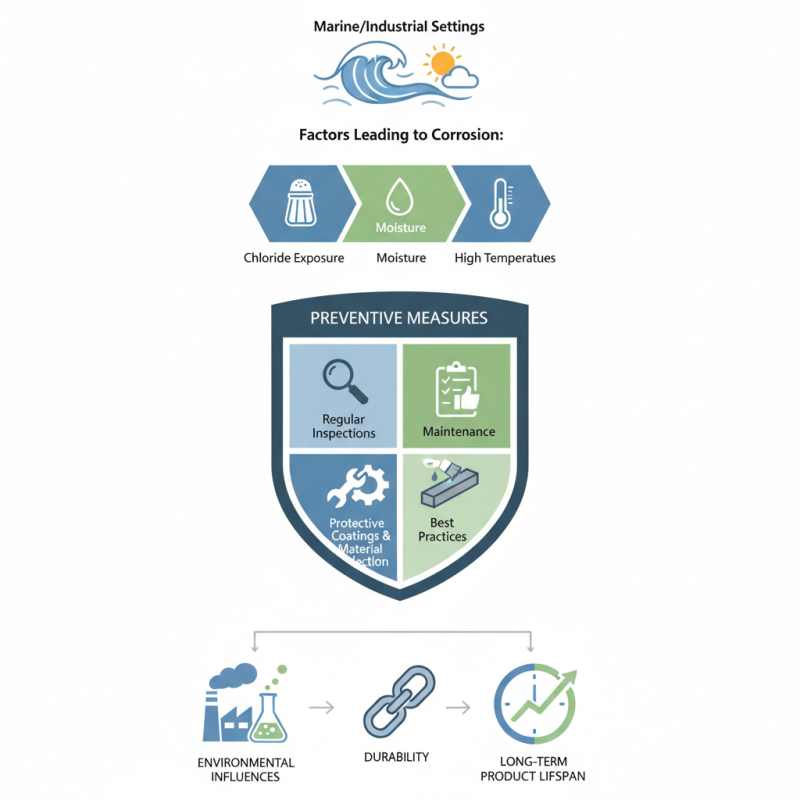
Stainless steel is highly regarded for its durability and resistance to corrosion. However, it is not entirely impervious to environmental factors. Understanding why stainless steel corrodes in certain environments is crucial for preserving its integrity. Factors such as chloride exposure, moisture, and high temperatures can lead to corrosion.
In marine or industrial settings, the risk of corrosion increases significantly. Saltwater and high humidity can create conditions that accelerate the degradation of stainless steel. Contaminants and acids, present in various environments, can also contribute to its breakdown. Therefore, awareness of these factors is essential for engineers and maintenance professionals.
Preventive measures must be taken to safeguard stainless steel in challenging conditions. Regular inspections and maintenance are vital in identifying early signs of corrosion. Protective coatings and proper material selection can reduce vulnerability. Adopting best practices enhances the lifespan of stainless steel structures. Ultimately, staying informed about environmental influences helps ensure the long-term durability of stainless steel products.
Understanding stainless steel starts with recognizing its composition. This material contains a minimum of 10.5% chromium. This element forms a protective oxide layer, enhancing resistance to corrosion. When exposed to different environments, such as saltwater or acidic conditions, the effectiveness of this layer can diminish.
Even stainless steel can corrode. Pitting, crevice corrosion, and stress corrosion cracking are common issues. Factors such as temperature, moisture, and contaminants impact this risk. High chloride environments are particularly dangerous. Inspecting the environment regularly helps to identify potential threats.
Preventative measures involve regular cleaning and maintenance. Avoid using harsh chemicals that can break down the protective layer. Implementing a proper passivation process strengthens the oxide layer. Understand that no material is entirely free from corrosion risk. Recognizing limitations is key to prolonging the life of stainless steel.
Corrosion of stainless steel can vary greatly based on environmental conditions. For instance, coastal areas present unique challenges. The presence of salty air increases the risk of pitting corrosion. According to a study by the Corrosion Technology Association, stainless steel can lose up to 50% of its integrity in marine environments within 10 years. This highlights the need for protective coatings or regular maintenance in such settings.
In industrial environments, exposure to harsh chemicals is another critical factor. Environments with high levels of acidity or alkalinity can accelerate corrosion rates significantly. Research indicates that even alloyed stainless steels can suffer when exposed to certain industrial pollutants. Moreover, moisture levels play a crucial role. High humidity can lead to crevice corrosion, even in seemingly stable environments. A report from the Materials Research Society notes that about 70% of corrosion-related failures occur in moist conditions, further emphasizing the need for vigilance.
Understanding these environments helps in developing strategies to mitigate corrosion. However, awareness alone is not enough. The need for ongoing assessment and adaptive strategies cannot be overstated. Many industries struggle with implementing effective preventive measures. Each environment presents its unique challenges, making it essential to tailor corrosion prevention plans accordingly.
Coastal and marine environments present unique challenges for stainless steel. High humidity, salt spray, and constant exposure to seawater can accelerate corrosion. To mitigate these effects, surface treatments are essential. Applying protective coatings can create a barrier against corrosive agents. Another option is using passivation techniques, which enhance the natural oxide layer.
Regular maintenance is crucial. Routine inspections help identify early signs of corrosion. Clean the surfaces with fresh water to remove salt deposits. This simple action can significantly prolong the lifespan of stainless steel structures. It is also beneficial to avoid crevices where saltwater can accumulate. These areas are often prime spots for corrosion to begin.
Understanding the specific environment is key. A coastal area might have different corrosive factors than an offshore environment. It’s essential to adapt preventive measures accordingly. Some solutions may work well, while others might not. Being aware of these nuances can help refine strategies over time. Exploring advanced materials designed for harsh environments could also be a worthy consideration.
| Environment Type | Preventive Measure | Effectiveness (%) | Frequency of Maintenance |
|---|---|---|---|
| Coastal Areas | Use of Passivation | 85 | Every 6 months |
| Marine Environments | Cathodic Protection | 90 | Annual |
| Industrial Coastal Sites | Regular Cleaning | 75 | Quarterly |
| Inland Waterways | Application of Protective Coatings | 80 | Every 2 years |
When it comes to preventing corrosion in stainless steel, protective coatings play a crucial role. These coatings form a barrier that shields the metal from environmental elements. Options like epoxy, polyurethane, and zinc-rich coatings offer varying degrees of protection. Each type has its strengths and suitable applications. For instance, epoxy coatings excel in chemical resistance but might not withstand UV exposure as well as others.
Surface treatments also significantly reduce corrosion risk. Techniques like passivation enhance the natural oxide layer of stainless steel. This process improves corrosion resistance and prolongs the metal's lifespan. Another method is anodizing, which adds an additional protective layer. Even so, these treatments require regular inspection and maintenance to ensure effectiveness.
Choosing the right coating or treatment depends on environmental conditions. Factors like humidity, temperature, and exposure to chemicals should be carefully assessed. Over time, even the best coatings can degrade. A proactive approach to monitoring and maintenance is essential. Implementing a comprehensive strategy can mitigate potential corrosion issues effectively.
Stainless steel is renowned for its durability. However, corrosion can still be a challenge in various environments, especially in harsh conditions. Regular maintenance practices are crucial to mitigate these risks. Cleaning surfaces regularly removes salt, dirt, and debris that can cause pitting and rust. Use non-abrasive cleaners to avoid scratching the surface.
Inspecting for signs of corrosion is equally important. Areas exposed to moisture should be monitored closely. Small spots can develop into larger issues if neglected. Applying a protective coating can also enhance resistance to corrosive elements.
For installations near coastal areas, consider using specialized cleaning routines. Saltwater accelerates corrosion, so rinsing stainless steel with fresh water after exposure is beneficial. In industrial settings, the presence of chemicals can be harmful too. Regular checks can help catch potential issues early. Each step may seem minor, but they collectively make a significant difference in longevity.
: Salty air significantly increases the risk of pitting corrosion. Coastal environments can lead to severe integrity loss.
Harsh chemicals and high acidity can accelerate corrosion. Even alloyed stainless steels may suffer in polluted environments.
High humidity can cause crevice corrosion. Around 70% of corrosion failures occur in moist conditions.
Protective coatings create a barrier that shields stainless steel from environmental factors. They are essential for long-term durability.
Common options include epoxy, polyurethane, and zinc-rich coatings. Each has specific advantages based on use conditions.
Passivation enhances the natural oxide layer, improving corrosion resistance. This prolongs the lifespan of stainless steel components.
Coatings can degrade over time. Regular checks ensure they remain effective and continue to protect the metal.
Assessing environmental conditions is key. Consider factors like humidity, temperature, and chemical exposure carefully.
Yes, many industries struggle with effective preventive measures. Tailoring plans to specific environments is crucial.
Monitoring and maintenance are essential. A comprehensive strategy can effectively mitigate potential corrosion issues.
Stainless steel is renowned for its corrosion resistance, but it can still corrode under certain conditions. Understanding why this occurs is crucial for maintaining the integrity of stainless steel components in various environments. Factors such as exposure to salty air in coastal areas, high humidity, and industrial pollutants can significantly compromise its protective layer, leading to corrosion.
To mitigate these risks, it is essential to implement preventive measures tailored to specific environments. This includes applying protective coatings and treatments, which can enhance durability, as well as establishing regular maintenance practices to inspect and clean stainless steel surfaces. By addressing these key areas, one can effectively prolong the lifespan of stainless steel products and ensure their performance remains optimal even in challenging conditions.

Elite Steel