Elite Steel
Stainless steel is often described as durable, but durability does not mean immunity to poor storage. Moisture, dust, salt, and contact with ordinary carbon steel can stain surfaces or compromise their appearance. The scale of the industry makes careful handling more than a small workshop concern. World Stainless reported global stainless steel melt shop production of 58.4 million tonnes in 2023. That figure reflects a material used across construction, manufacturing, food equipment, and transport.
How to store stainless steel products long-term begins with controlling the environment and preventing surface contamination. A clean, dry, well-ventilated space is a practical starting point. Keep products off concrete floors, away from leaking roofs, and separated from chemicals and metal grinding dust. Use clean gloves when handling finished surfaces. For sheet and coil, retain protective packaging where it remains dry and intact; trapped condensation can do harm. Small details matter.
Industry guidance such as ASTM A380/A380M addresses cleaning, descaling, and passivation of stainless steel parts and equipment. It supports a key principle: storage should preserve a clean surface, not merely shield the product from view. Still, no single storage setup suits every grade, finish, or climate. A warehouse near the coast needs tighter moisture and salt controls than a dry indoor facility. Teams should inspect packaging and surfaces periodically, record issues, and adjust conditions. Even experienced operators miss early signs of condensation. That deserves attention. This introduction sets out practical checks for protecting stainless steel over months or years, while recognizing that prevention is easier than repairing avoidable surface damage.
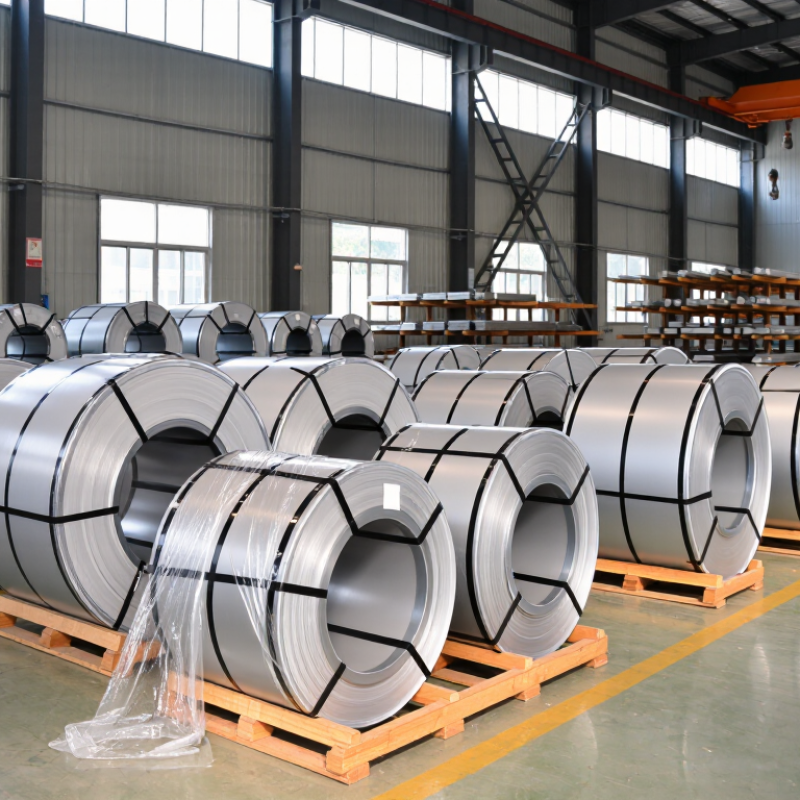
Long-term storage starts with understanding the product’s grade, finish, and intended use. Stainless steel resists corrosion, but it is not immune to damage. Salt, chlorides, moisture, and residues from handling can mark a surface over time. Clean products with a suitable, non-abrasive method, then dry them fully before packing. Dry air helps. Even a small water pocket under protective wrapping can leave stains.
Choose a clean, covered storage area with steady conditions and good airflow. Keep products off concrete floors, where moisture and dust can collect, and separate them from carbon-steel tools or filings. Use clean supports and packaging that will not trap condensation. Avoid placing heavy items on polished parts; scratches are difficult to remove evenly. Inspect stored products periodically, especially after temperature changes or damp weather. One detail is easy to miss: packaging that protects against dust may also hold moisture. Storage requirements vary by alloy and finish, so check the supplier’s technical guidance for sensitive or high-value components. I would not assume that a shiny surface means the item is ready for use; inspect and clean it again before installation.
In China, select a warehouse for local humidity, not just its distance from the supplier. The China Meteorological Administration’s 2023 climate bulletin reported national precipitation of 615.0 mm, 3.9% above the long-term average. That figure is a useful warning, not a warehouse forecast. Coastal sites, rainy-season transport routes, and inland dry zones need different controls. One weakness of national averages: they conceal damp corners and leaking roofs.
Keep stainless steel indoors, dry, and away from direct sunlight and open doors during humid weather. Aim for relative humidity below 60%, and log readings near walls and floor level. Avoid condensation. ISO 9223:2012 assesses atmospheric corrosivity using factors including time of wetness and chloride deposition; salt-laden air therefore deserves extra care near the coast. Store sheets on clean, raised supports, with spacers that allow airflow. Keep them separate from carbon-steel dust, salt, and cleaning chemicals containing chlorides. Check packaging after heavy rain or temperature swings. A sealed wrap can trap moisture, so inspect it rather than assuming it protects the surface. I would adjust the humidity target to the actual site and product finish, then record any discoloration during routine checks.
Preparing stainless steel products for long-term storage starts with a clean, dry surface. Remove fingerprints, salt, cutting fluids, and packaging residue with a mild cleaner suitable for the finish. Rinse thoroughly, especially around seams and fasteners, where residue can collect. Dry each item with a lint-free cloth, then let air reach holes, joints, and folded edges. Do not assume it is dry because it looks dry. A little trapped moisture can leave marks in a humid week. That detail is easy to miss.
Inspect the surface under bright light and note any scratches or discoloration before packing. Store products in a cool, dry area, raised above the floor and away from leaking pipes, salt, and cleaning chemicals. Keep them apart from carbon steel tools or abrasive dust, which can contaminate the surface. Keep them apart. Clean, dry paper or suitable protective wrapping can help prevent scuffs, but tightly sealed plastic may trap moisture if the items are not fully dry. It is tempting to wrap everything tightly; that is not always the safer choice. Check the storage area periodically for condensation, damaged packaging, or new marks, and adjust the conditions if needed.
| Storage Preparation Step | Recommended Practice | Why It Matters | Check Before Storage |
|---|---|---|---|
| Identify the material | Confirm the stainless steel grade and product requirements from the applicable material documentation. | Different grades and finishes can have different handling and corrosion-resistance requirements. | Keep material records with the relevant items and preserve any protective film that is intended to remain in place. |
| Clean the surface | Remove dirt, fingerprints, grease, and other contaminants using a suitable cleaner and a soft, non-abrasive cloth. Follow the product or process instructions. | Contamination can stain the surface and, in some conditions, contribute to corrosion. | Do not use steel wool or tools that may leave carbon-steel particles on the stainless surface. |
| Remove salts and residues | If the surface has been exposed to salt, chlorides, or cleaning chemicals, rinse it thoroughly with clean water when appropriate, then dry it completely. | Chloride deposits and retained moisture can increase the risk of localized corrosion, particularly in susceptible conditions. | Check seams, edges, joints, and other areas where residue or water may collect. |
| Dry thoroughly | Use clean, lint-free materials or allow the item to air-dry in a clean area before wrapping or packing. | Trapped moisture can cause water marks and create conditions that favor corrosion or contamination. | Make sure hidden surfaces and contact points are dry before stacking or covering. |
| Choose a suitable location | Store indoors in a clean, dry, well-ventilated area. Avoid condensation, leaks, standing water, and sudden temperature changes where possible. | A dry, stable environment reduces moisture exposure and the chance of surface staining. | Keep items away from damp floors, exterior walls prone to condensation, and chemical fumes or splash zones. |
| Separate from incompatible materials | Prevent direct contact with carbon steel, iron dust, and other sources of contamination. Use clean, non-metallic separators where needed. | Iron particles transferred to stainless steel can rust and leave misleading rust-colored marks. | Use clean handling equipment and keep stainless steel products separate from grinding, cutting, or welding debris. |
| Protect during packing | Use clean, dry packaging and padding that will not trap moisture or transfer contaminants. Keep protective films intact if they are clean and suitable for the storage conditions. | Proper packaging helps prevent scratches, handling marks, and contamination while allowing the storage plan to account for moisture. | Avoid wrapping damp products or sealing in packaging that may allow condensation to remain against the surface. |
| Support and stack safely | Place products on clean, dry supports and stack them to prevent slipping, deformation, and surface-to-surface abrasion. Follow any product-specific handling limits. | Stable support reduces mechanical damage and keeps products away from damp floors. | Use separators between finished surfaces and avoid dragging sheets, bars, or components across one another. |
| Label and monitor | Label packages with the material identification, storage date, and handling notes. Establish periodic visual inspections based on the environment and storage duration. | Clear records and inspections help identify moisture, damaged packaging, or contamination before use. | If condensation, staining, or packaging damage is found, investigate the cause, clean and dry the item as appropriate, and improve storage conditions. |
Note: These are general storage practices. Follow the material supplier’s instructions and any applicable product, finish, or industry requirements.
Choose packaging that blocks dust and handling marks without trapping moisture. Clean, fully dry parts before wrapping them. Use clean polyethylene film, VCI paper, or a moisture barrier suited to the storage environment. Keep stainless steel away from carbon-steel dust, damp wood, and salty residues; these can stain surfaces or initiate corrosion. For polished sheets, add non-abrasive separators between faces. A tight wrap is not always safer. Condensation can collect inside it.
The NACE International IMPACT study (2016) estimated corrosion costs at US$2.5 trillion, or 3.4% of global GDP. That figure covers many materials and industries, not stainless steel alone. Still, it underlines the value of sound storage controls. Store packages indoors, off concrete floors, and away from leaking pipes. Keep conditions dry and stable, and inspect samples periodically for water marks, damaged wrapping, or discoloration. Small details count.
Tips: Place desiccant inside sealed packaging only when the product is dry. Label each package with its alloy, finish, and packing date. Rotate stock when practical. If a surface develops a stain, review moisture and handling records before repacking; packaging alone may not explain the cause.
Inspect stainless steel products on a regular schedule, especially in humid rooms or near salt-laden air. Look for water droplets, dusty deposits, damaged protective film, and marks around seams or fasteners. A clean surface can still hide moisture beneath wrapping. Check there, too. If condensation is present, remove the cover carefully, dry the product with a clean, soft cloth, and improve airflow before repacking. Keep inspection notes with dates and locations; small changes are easier to track when recorded.
Use a mild, chloride-free cleaner for ordinary soil, then rinse if needed and dry the surface completely. Avoid steel wool and rough pads, which can leave particles that later rust. Keep products off damp floors and away from chemicals or grinding dust.
I used to think intact packaging meant the contents were safe; that assumption was too casual. Packaging can trap moisture or conceal early staining. Replace torn wrapping, but do not seal a damp item inside fresh plastic.
Check more often after leaks, seasonal humidity changes, or movement between storage areas. No inspection schedule fits every warehouse. Adjust it to what the surfaces actually show.
Check the product’s grade, finish, and intended use. Storage needs can vary. Consult technical guidance for sensitive components.
Use a suitable, non-abrasive method. Rinse if needed, then dry every surface fully. Even a small water pocket can leave marks.
Use a clean, covered area with steady conditions and good airflow. Keep packages off concrete floors and away from leaks.
Clean film, moisture barriers, or suitable VCI paper can help block dust and handling marks. A tight wrap is not always safer.
Use clean, non-abrasive separators between sheets. Avoid heavy items on polished surfaces; scratches can be difficult to remove evenly.
Keep products away from carbon-steel filings, grinding dust, damp wood, and salty residues. Small details count.
Inspect regularly, especially after damp weather, temperature changes, leaks, or relocation. Look for droplets, damaged wrapping, and discoloration.
Remove the cover carefully and dry the product with a clean, soft cloth. Improve airflow before repacking. I once assumed intact wrapping meant safety; that was too casual.
Use it only when the product is dry. Label packages with alloy, finish, and packing date, and rotate stock when practical.
How to store stainless steel products long-term depends on controlling moisture, contamination, and physical damage from the start. In China, choose a clean, dry, well-ventilated storage area with stable conditions, away from rain, condensation, corrosive substances, and sources of dust or salt. Before storage, make sure each product is clean and completely dry, and separate different materials when needed to reduce the risk of surface contamination.
Use suitable protective wrapping or covers that keep out moisture and dirt while allowing appropriate airflow. Store items on clean racks or pallets rather than directly on the floor, and arrange them to prevent scratches, pressure, and unnecessary contact between surfaces. During storage, inspect products regularly for dampness, damaged packaging, stains, or other changes. Address any issues promptly, and keep the storage area clean and orderly so the products remain in good condition until they are needed.
