Elite Steel Elite Steel

How to Stop Stainless Steel From Losing Its Shine?

Time:2026-09-08 Author:Mason
0%

A polished stainless steel surface can lose its brightness faster than many owners expect. Fingerprints, cooking oils, hard-water minerals, airborne salt, and tiny iron particles may collect on the surface. Scrubbing in the wrong direction can add fine scratches. The result is often a cloudy finish rather than obvious rust.

Understanding Why stainless steel sometimes loses its shine requires more than choosing a stronger cleaner. Stainless steel depends on a thin, self-repairing chromium-oxide film. Chlorides, abrasive powders, stagnant moisture, and contaminated tools can disturb that protective layer. Dr. Gerald S. Frankel, a respected corrosion scientist at The Ohio State University, has stated, “Corrosion is an electrochemical process.” That short explanation matters. Shine is not only a cosmetic issue; surface chemistry plays a role.

In practical maintenance, the safest approach is usually gentle and consistent. Wipe with warm water and a soft microfiber cloth. Follow the original grain, not circular patterns. Dry the surface completely. For mineral spots, a suitable diluted cleaner may help, but test it on a hidden area first. Avoid steel wool and chlorine-based products unless the manufacturer specifically permits them.

I have seen one mistake repeatedly: treating dull stainless steel like burnt cookware. More pressure rarely creates more shine. Sometimes, the damage is already mechanical, and cleaning cannot reverse it. This guide examines the causes, useful techniques, and limits of restoration. It also questions a common assumption: “stainless” does not mean maintenance-free.
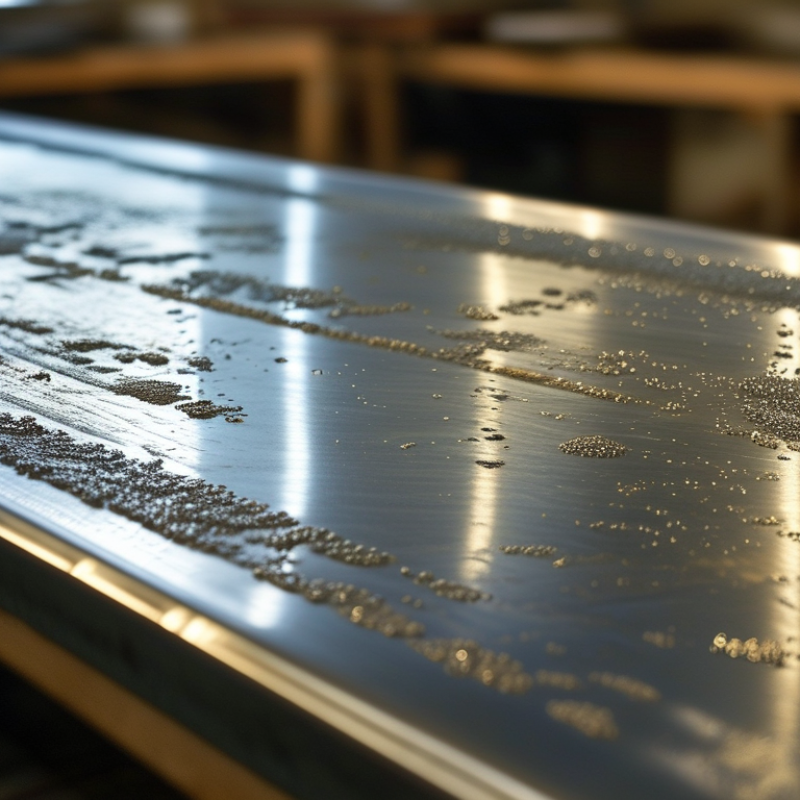
How to Stop Stainless Steel From Losing Its Shine?

Assess 304 and 316 Grades: 18–20% and 16–18% Chromium per ASTM A240

How to Stop Stainless Steel From Losing Its Shine?

Stainless steel can lose its bright finish through fingerprints, salt deposits, moisture, and harsh cleaning. Chromium helps protect the surface by forming a thin, self-healing oxide layer. Under ASTM A240, 304 stainless steel contains 18–20% chromium, while 316 contains 16–18% chromium. These figures matter, but chromium content alone does not determine long-term shine.

Grade 316 includes molybdenum, which improves resistance to chlorides found in coastal air, de-icing salt, and some cleaning solutions. Grade 304 often performs well indoors, especially in dry kitchens and offices. Still, neither grade is completely stain-proof. I have seen 316 develop dull patches when salt remained trapped around welds. Surface condition matters too. Rough polishing, iron contamination, and standing water can reduce brightness faster than expected.

Tips: Wipe the surface with a soft microfiber cloth after cleaning. Use warm water and a mild detergent for ordinary marks. Follow the grain direction, not circular strokes. Dry corners, seams, and welds carefully. Avoid steel wool, abrasive powders, and chlorine-based cleaners. Test any unfamiliar cleaner on a hidden area first. If discoloration remains, stop scrubbing harder. Excess pressure can create a permanent cloudy patch. Regular inspection is more reliable than waiting for visible rust or heavy staining.

Remove Chlorides and Free Iron as Required by ASTM A380

How to Stop Stainless Steel From Losing Its Shine?

Stainless steel can lose its shine when chlorides or free iron remain on its surface. Chlorides may come from salt air, cleaners, process water, or fingerprints. They can collect in scratches and start localized pitting. Free iron often comes from carbon-steel brushes, tools, dust, or nearby grinding work. The surface may look clean, but contamination can remain invisible.

ASTM A380 provides practical guidance for cleaning, descaling, and passivation. Use tools reserved for stainless steel, then clean the surface with a compatible solution. Rinse thoroughly with low-chloride or deionized water. Dry the metal quickly, especially around seams and welds. In my experience, rushed rinsing causes more repeat work than the original cleaning. A dull mark is not always corrosion, either. It may be residue, heat tint, or a damaged finish. Inspect before treating.

Tips: Remove chlorides promptly. Avoid hydrochloric acid and unknown abrasive powders. Check suspected free iron with an appropriate ASTM A380 test, such as a qualified ferroxyl procedure. Follow the chemical supplier’s safety instructions. Test a small area first. I would also record the water quality, cleaning method, and surface condition. That record can reveal a missed source later. Do not assume a bright surface is a clean surface.

How to Stop Stainless Steel From Losing Its Shine? - Remove Chlorides and Free Iron as Required by ASTM A380

Practical cleaning and verification guidance for preserving stainless-steel appearance in accordance with the principles of ASTM A380.
Issue or Contaminant Typical Source Effect on Appearance or Corrosion Resistance Recommended Control or Cleaning Action Verification Method Important Precaution
Chloride deposits Salt spray, process water, cleaning residues, hand contact, or marine exposure Water spots, haze, staining, and an increased risk of localized pitting corrosion Remove deposits promptly with a suitable neutral or mildly alkaline cleaner, followed by thorough rinsing with clean, low-chloride water Visual inspection; surface-wipe or rinse-water chloride testing when the service environment requires it Do not allow chloride-containing solutions to dry on the surface; avoid hydrochloric acid and chloride-bearing abrasives
Free iron and steel particles Carbon-steel tools, grinding dust, shared fabrication equipment, or contaminated handling areas Orange or brown rust stains that may be mistaken for corrosion of the stainless-steel substrate Clean using a nonmetallic pad or brush and an appropriate stainless-steel cleaner; use an approved chemical treatment when required to remove embedded iron Visual examination plus a free-iron or ferroxyl-type test where specified by the project or quality plan Never use carbon-steel brushes or contaminated abrasives on stainless steel
Weld heat tint and oxide scale Welding, heat treatment, or localized overheating Blue, purple, brown, or dark discoloration; the affected area may have reduced corrosion resistance Remove scale by a suitable mechanical, chemical, or electrochemical process selected for the stainless-steel grade and surface finish; rinse thoroughly afterward Visual confirmation of uniform surface condition and, when required, corrosion or passivation testing Chemical treatments require controlled handling, ventilation, compatible equipment, and complete neutralization or rinsing
Oil, grease, and fingerprints Fabrication lubricants, protective films, fingerprints, or maintenance products Dull patches, streaks, uneven reflectivity, and areas that retain dirt or salt Use a compatible detergent or solvent-based cleaner, wipe in the direction of the existing finish, and rinse to remove residues Uniform visual appearance and a clean, residue-free wipe test Confirm cleaner compatibility before use, especially on polished, coated, or electropolished surfaces
Mineral scale and hard-water deposits Evaporation of hard water, repeated washing, or process-water spray White or gray film, reduced gloss, and localized deposits that can trap corrosive contaminants Apply a compatible descaling treatment suitable for stainless steel, then rinse with clean water and dry completely Visual inspection under consistent lighting and confirmation that no chalky residue remains Avoid strong acids or prolonged contact unless the procedure has been reviewed for the specific grade and finish
Abrasive scratches and embedded debris Improper scouring pads, abrasive particles, or cleaning across the grain of a brushed finish Visible scratches, uneven gloss, and sites where contaminants can accumulate Use dedicated stainless-steel tools and noncontaminating abrasives; restore the finish only by an approved mechanical process Inspection for scratch direction, surface uniformity, and absence of embedded particles Do not use steel wool or abrasive materials previously used on carbon steel
Residual cleaning chemicals Incomplete rinsing, dried detergent, acidic residues, or trapped solution in crevices Streaks, discoloration, deposits, and possible localized corrosion during service Rinse all surfaces, joints, and crevices thoroughly; drain completely and dry with clean air or lint-free materials Final visual inspection, pH check of rinse water when applicable, and absence of visible residue Do not mix cleaning chemicals; follow the applicable safety data and procedure requirements
Passivation condition Surface contamination or heat treatment that interferes with formation of a stable chromium-rich passive film Reduced resistance to staining and localized corrosion even when the surface appears visually clean After cleaning and removal of free iron, perform a qualified passivation treatment when required by the specification, then rinse and dry thoroughly Use the project-approved passivation or corrosion-resistance test; visual appearance alone is not sufficient ASTM A380 provides cleaning and passivation guidance; select the treatment and acceptance criteria for the grade, finish, and service environment
Core maintenance sequence: remove chlorides and free iron, rinse thoroughly with clean water, dry the surface, and verify the result using the inspection or testing method specified for the application.

Clean With a Neutral Detergent; Never Use Steel Wool or Chloride Bleach

How to Stop Stainless Steel From Losing Its Shine?

Stainless steel usually loses its shine because of fingerprints, cooking grease, mineral deposits, or harsh cleaning products. A neutral detergent is the safest daily choice. Mix a small amount with warm water, then wipe the surface with a soft microfiber cloth. Follow the grain of the steel, not across it. This reduces visible streaks and protects the finish.

Never use steel wool. Its rough fibers can leave tiny scratches that collect dirt later. Chloride bleach is also a poor choice. It may damage the protective surface and encourage rust spots, especially when residue remains damp. Rinse detergent away with clean water, then dry the area immediately. Leaving water marks overnight is an easy mistake, and I still miss one occasionally.

Tips: Test any cleaner on a hidden area first. Use a separate cloth for wiping and drying. For stubborn mineral spots, place a damp cloth over the area briefly, then wipe gently. Do not scrub harder because the stain resists. Patience works better. Clean spills soon, especially salty sauces, which can leave dull patches. If the surface looks cloudy after cleaning, too much detergent may be the problem. Use less next time, and rinse more carefully.

How to Stop Stainless Steel From Losing Its Shine?

Choose a neutral detergent and rinse thoroughly. Avoid chloride bleach because its alkaline, chlorine-containing chemistry can promote staining and corrosion. Steel wool is also unsuitable because it can scratch the surface and leave iron particles behind.

Chart note: Values show typical or representative pH levels; exact formulations may vary. Neutral products are close to pH 7, while common chlorine bleach solutions are strongly alkaline.

Rinse Thoroughly and Dry to Prevent Water Spots and Residue

Stainless steel often loses its shine because water dries on the surface. Mineral deposits remain behind. Food residue can create a cloudy film, too. After washing, rinse the entire surface with clean water. Do not focus only on visible stains. Check handles, seams, corners, and areas beneath the rim.

Drying matters just as much. Use a clean, soft microfiber cloth and wipe with the steel’s natural grain. This removes remaining moisture before it becomes water spots. A damp cloth may spread residue instead of removing it. Replace it when the fabric feels dirty or wet. Never leave the surface to air-dry after rinsing.

Tips: Rinse twice when soap feels slippery. Dry around screws and edges carefully. Use a separate cloth for final polishing. I still miss small drops sometimes, especially near the back edge. That area needs a second look. Avoid rough scouring pads, which can leave fine scratches and make future cleaning harder. A gentle routine is usually more reliable than aggressive scrubbing.

Restore Severe Dulling Through Passivation or Electropolishing Under ASTM Standards

How to Stop Stainless Steel From Losing Its Shine?

Severe dulling usually needs more than detergent and a soft cloth. Fingerprints, heat tint, embedded iron, and chloride deposits can leave a gray, uneven surface. In field maintenance, I inspect weld zones and crevices first. They often look worse than the surrounding metal.

Passivation removes free iron and supports the natural chromium-rich oxide layer. ASTM A967/A967M recognizes nitric acid, citric acid, and electrochemical treatments. The selected process should match the alloy, surface condition, and service environment. ASTM A380/A380M also stresses cleaning before treatment. Skipping that step is a common mistake. It can trap contamination under a polished-looking surface. Verification may include water immersion, high-humidity, salt-spray, or copper-sulfate testing, depending on the specification.

Electropolishing removes a thin, controlled metal layer. It can smooth microscopic peaks, brighten the surface, and improve cleanability. ASTM B912 covers passivation of stainless steel by electropolishing. This method is valuable for severe dulling, weld discoloration, and complex components, but it is not magic. Excessive material removal can soften edges or reveal grinding marks. A qualified processor should record current density, electrolyte temperature, treatment time, and final inspection results.

The World Stainless Association reported approximately 58.4 million tonnes of stainless steel production in 2023. That scale makes repeatable restoration procedures important, especially in hygienic and corrosive service. Still, visual shine alone proves little. A bright surface may remain chemically vulnerable. Test results matter more than appearance.

FAQS

: Why does stainless steel lose its shine?

: Fingerprints, cooking grease, mineral deposits, and harsh cleaners can dull the surface. Heat marks and salty food residue may also create cloudy patches. It happens gradually.

What cleaner is safest for daily use?

Use a small amount of neutral detergent with warm water. Apply it with a soft microfiber cloth. Follow the steel grain instead of wiping across it. Too much detergent can leave a cloudy film.

Can I use steel wool on stainless steel?

No. Steel wool can leave tiny scratches across the surface. Dirt may collect inside those scratches later. Use a soft cloth instead. Rough pads are risky, too.

How can I prevent water spots?

Rinse the entire surface with clean water after washing. Check handles, seams, corners, and areas beneath the rim. Dry immediately with a clean microfiber cloth. Do not let the surface air-dry overnight.

What should I do about mineral spots?

Place a damp cloth over the spot briefly. Then wipe gently along the grain. Do not scrub harder when the stain resists. Patience works better, though I sometimes clean too aggressively.

Why should chloride bleach be avoided?

Chloride bleach may damage the protective surface. Damp residue can encourage rust spots. If it touches the steel, rinse thoroughly with clean water. Dry the area immediately.

When is professional restoration necessary?

Severe dulling may involve heat tint, embedded iron, or chloride deposits. A qualified processor can use passivation or electropolishing. Passivation supports the protective oxide layer. Electropolishing removes a controlled, thin metal layer.

Does a bright surface prove the steel is protected?

No. Visual shine alone proves little. A polished surface may still contain chemical contamination. Professional checks can include water, humidity, salt-spray, or copper-based testing. Appearance helps, but testing matters more.

Conclusion

Why stainless steel sometimes loses its shine is usually related to surface contamination, chloride exposure, free iron, water spots, or unsuitable cleaning methods rather than a failure of the material itself. Start by confirming the stainless steel grade: 304 typically contains about 18–20% chromium, while 316 generally contains about 16–18% chromium, as specified in ASTM A240. Although chromium helps form a protective passive layer, deposits and harsh chemicals can reduce the surface’s brightness.

For routine care, use a neutral detergent and a soft, non-abrasive cloth. Never use steel wool or chloride-based bleach, as these can scratch the surface or encourage corrosion. Rinse thoroughly with clean water and dry completely to prevent mineral spots and residue. If chloride contamination or free iron is present, remove it according to ASTM A380 practices. Severe dulling may require professional passivation or electropolishing performed under applicable ASTM standards to restore a clean, reflective finish.

Mason

Mason

Mason is a seasoned marketing professional with a deep expertise in the company's offerings and a passion for driving brand awareness. With a strong background in digital marketing strategies, he has an innate ability to connect with diverse audiences and effectively communicate product benefits.......