10 Effective Tips to Clean Stainless Steel Without Scratching?

Time:2026-05-03 Author:Liam
0%

Cleaning stainless steel can be a daunting task. However, it doesn’t have to be. Experts have shared valuable insights on how to clean stainless steel without scratching it. One authority in this area, Mia Thompson, a renowned cleaning expert, once stated, “The secret lies in the right tools and techniques.”

Understanding how to clean stainless steel without scratching is crucial. Many people use abrasive materials, unknowingly damaging their surfaces. Instead, gentle methods yield better results. For instance, using microfiber cloths preserves the shine and finish. Water and mild soap can work wonders, removing grime without harming the stainless steel.

Learning the proper techniques can elevate your cleaning routine. Mistakes happen, and sometimes the simplest tasks can lead to scratches. Reflecting on our approach helps us improve. With the right strategies, you can maintain the durability and beauty of your stainless steel appliances for years.
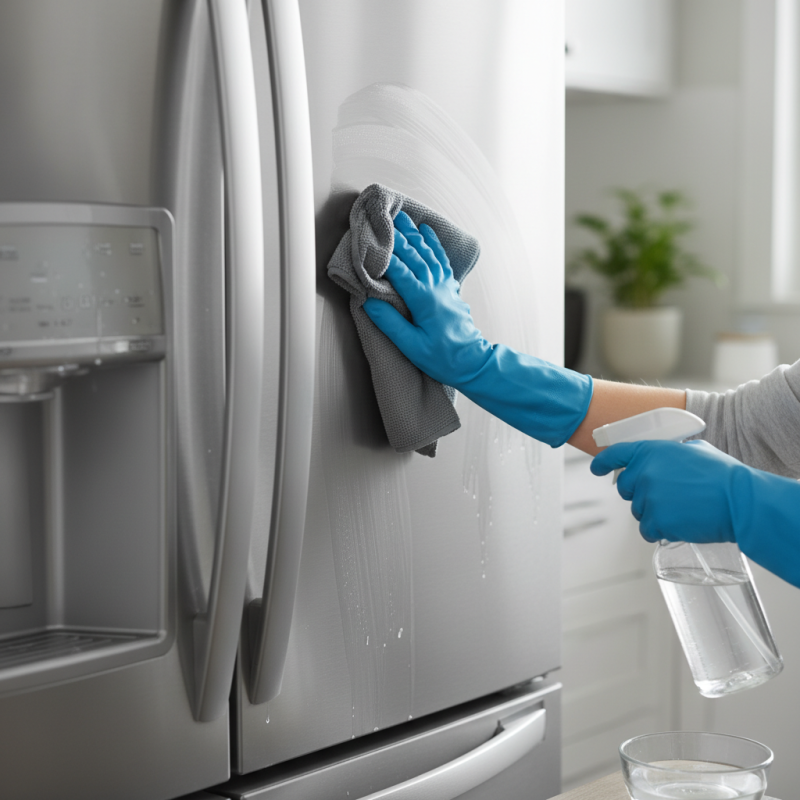
10 Effective Tips to Clean Stainless Steel Without Scratching?

Understanding the Properties of Stainless Steel and Why It Matters

Stainless steel is known for its durability and resistance to corrosion. However, understanding its properties is crucial for effective cleaning without causing scratches. This material is an alloy primarily made of iron, chromium, and nickel. The chromium creates a protective layer, preventing rust and staining. When cleaning, preserving this layer is essential.

Using a soft cloth helps maintain the surface integrity. A microfiber cloth traps dirt effectively while preventing scratches. Avoid using abrasive cleaning agents, as they can damage the protective layer. Even sponges labeled as safe may contain tiny particles that scratch the steel. It's worth reflecting on how often we overlook the tools we use.

In addition, always clean with the grain of the steel to achieve the best results. Rubbing against the grain can lead to unsightly marks. The right cleaning technique can enhance the shine and longevity of your stainless steel surfaces. However, it’s essential to be patient. Sometimes, the perfect glow doesn’t appear immediately.

10 Effective Tips to Clean Stainless Steel Without Scratching

Tip Description Tools Needed Frequency
1. Use Warm Soapy Water Mix warm water with dish soap and use a soft cloth to wipe. Mild dish soap, Soft cloth Weekly
2. Vinegar Solution Spray a 50/50 mixture of vinegar and water, then wipe. Vinegar, Water, Spray bottle Bi-weekly
3. Baking Soda Paste Make a paste and apply with a soft sponge. Baking soda, Water, Soft sponge Monthly
4. Olive Oil Apply a small amount of olive oil to shine. Olive oil, Soft cloth Monthly
5. Lemon Juice Use lemon juice to cut through grease and odor. Lemon juice, Soft cloth As needed
6. Microfiber Cloth Use microfiber for dusting without scratching. Microfiber cloth Weekly
7. Avoid Abrasives Do not use scouring pads or abrasive cleansers. N/A Always
8. Finish with Rinse Always rinse thoroughly to remove any cleaner residue. Water Every clean
9. Dry Immediately Wipe surface dry to prevent water spots. Soft cloth Every clean
10. Regular Maintenance Implement a regular cleaning schedule to maintain shine. N/A Ongoing

Common Cleaning Mistakes That Can Scratch Stainless Steel Surfaces

Cleaning stainless steel appliances can be tricky. One common mistake is using abrasive scrubbers. These can create scratches that mar the surface. Even some sponges have harsh textures that harm stainless steel. Always choose non-abrasive options like microfiber cloths or soft sponges for optimal results.

Another pitfall is using the wrong cleaning agents. Some cleaners contain acids that can dull the finish. It's important to avoid products with chlorine bleach or ammonia. Instead, opt for pH-balanced cleaners. They are safer and more effective for maintaining the shine of stainless steel. Remember, less is often more when it comes to cleaning solutions.

Finally, not rinsing properly after cleaning can lead to residue build-up. This can create streaks and even stains that are hard to remove later. A simple rinse with water can prevent this issue. Make sure to dry the surface afterward to keep it looking pristine. Taking these extra steps will help you avoid common mistakes and keep your stainless steel surfaces gleaming.

10 Effective Tips to Clean Stainless Steel Without Scratching

Recommended Cleaning Solutions: Which Products Are Safe and Effective

When it comes to cleaning stainless steel, selecting the right products is crucial. Many everyday items can effectively clean your appliances without causing scratches. A simple solution is white vinegar mixed with water. This natural cleaner cuts through grime and leaves a streak-free shine. Baking soda is another excellent choice. Make a paste with water to tackle tough spots.

Microfiber cloths are safe tools for wiping stainless steel surfaces. They trap dirt effectively and reduce the risk of scratches. Avoid using steel wool or harsh scrubbers, as these can mar the surface. It's also important to test any new cleaning solution in a small area first. This way, you can see if it reacts negatively with the finish.

Some may prefer commercial stainless steel cleaners. Many products are available that promise to be both effective and safe. Yet, it's essential to read their labels carefully. Some chemicals can be harsh. Ensure they are designed specifically for stainless steel to prevent damage. Regular maintenance and awareness of the products you use can lead to long-lasting results.

Step-by-Step Cleaning Techniques for Scratch-Free Stainless Steel

Cleaning stainless steel can feel daunting, but it doesn't have to be. Start with a soft microfiber cloth. Dampen it with warm water. Gently wipe the surface. This simple step removes dust and fingerprints. Be cautious with pressure—too much can lead to scratches. Always wipe in the direction of the grain for the best results.

For tougher stains, a paste made of baking soda and water works wonders. Apply it with a soft cloth. Rub gently, and avoid abrasive materials. Rinse off any residue promptly to prevent dulling. Sometimes, using vinegar can help restore shine. Spray it onto the surface, let it sit, and then wipe away. Remember, while these methods are effective, they require practice.

Over time, you'll develop techniques that suit your stainless steel. The key is patience and attentiveness. Don’t rush through the process. Regular maintenance is crucial. It might be tempting to skip days, but a little effort goes a long way. Focus on small sections at a time. This helps prevent mistakes and keeps your stainless steel looking pristine.

Maintaining the Shine: Long-Term Care Tips for Stainless Steel Appliances

Cleaning stainless steel appliances can be daunting. Many homeowners worry about scratches and dullness. However, proper care can maintain the shine of these surfaces for years. Research from the International Stainless Steel Forum indicates that regular cleaning can enhance the lifespan of your appliances.

One effective tip is to use a microfiber cloth. It traps dirt without scratching the surface. Additionally, avoid using steel wool or overly abrasive cleaners. Instead, a mix of warm water and mild soap works wonders. Clean in the direction of the grain to avoid disturbing the finish. This method is favored by many professionals in the industry.

Long-term maintenance requires periodic deep cleaning. A vinegar-water solution can remove tough stains. Rinse thoroughly afterward. Experts recommend applying a few drops of mineral oil to restore luster and create a protective layer. While these methods are generally reliable, users should be aware that overzealous cleaning may still lead to unintentional marks. Experimenting with different methods can yield the best results, as experiences may vary widely.

FAQS

: What is stainless steel made of?

: Stainless steel is primarily composed of iron, chromium, and nickel.

How should I clean stainless steel to avoid scratches?

Use a soft microfiber cloth to clean the surface gently.

Why is it important to clean with the grain of the steel?

Cleaning with the grain prevents unsightly marks and maintains the finish.

Can I use any cleaning agents on stainless steel?

Avoid abrasive cleaning agents; they can damage the protective layer.

What should I do for deep cleaning of stainless steel?

A vinegar-water solution can help remove tough stains effectively.

How often should I clean my stainless steel appliances?

Regular cleaning is recommended to enhance the lifespan and shine.

Is using mineral oil beneficial for stainless steel?

Yes, applying mineral oil can restore luster and create a protective layer.

What happens if I use steel wool on stainless steel?

Steel wool can scratch the surface and ruin the protective layer.

What should I reflect on when cleaning stainless steel?

Consider the tools you use, as they can impact the cleaning outcome.

Can over-cleaning damage stainless steel?

Yes, too much cleaning may lead to unintended marks on the surface.

Conclusion

Cleaning stainless steel can be a daunting task, especially when it comes to avoiding scratches. To effectively tackle this challenge, it's essential to first understand the properties of stainless steel and the common cleaning mistakes that can lead to unwanted damage. When learning how to clean stainless steel without scratching, opting for safe and effective cleaning solutions is crucial. Utilizing recommended products and following step-by-step techniques will help ensure a flawless finish.

Additionally, maintaining the shine of stainless steel appliances involves implementing long-term care tips. Regular maintenance not only preserves the aesthetic appeal but also enhances the durability of the surfaces. With these insights, anyone can confidently clean and care for their stainless steel items while keeping them scratch-free and looking new for years to come.

Liam

Liam

Liam is a dedicated marketing professional with a profound expertise in the industry, where he excels at highlighting the unique advantages of our core products. With a keen understanding of market trends and consumer needs, Liam frequently updates our company’s professional blog, providing......