 Elite Steel
Elite Steel
Elite Steel
Stainless steel fabrication is essential in various industries, including construction and manufacturing. It has a significant impact on product quality and longevity. Professional reports indicate that improper fabrication can lead to costly errors and safety hazards. Therefore, understanding "what are common mistakes in stainless steel fabrication" is crucial for success.
One prevalent issue involves inadequate surface preparation. Many fabricators overlook this step, leading to poor adhesion and corrosion. According to industry standards, a clean surface can enhance the integrity of welds and finishes significantly. Moreover, using the wrong tools can create microfractures and weaken the material. Statistics show that nearly 30% of fabrication failures result from such oversights.
Attention to detail is vital. Fabricators should also consider tolerances and fit-up requirements rigorously. Neglecting these factors can result in misalignments, which compromise structural integrity. Ignoring these common mistakes can be detrimental, affecting both time and budget. A proactive approach is necessary to refine fabrication practices and achieve higher quality outcomes.
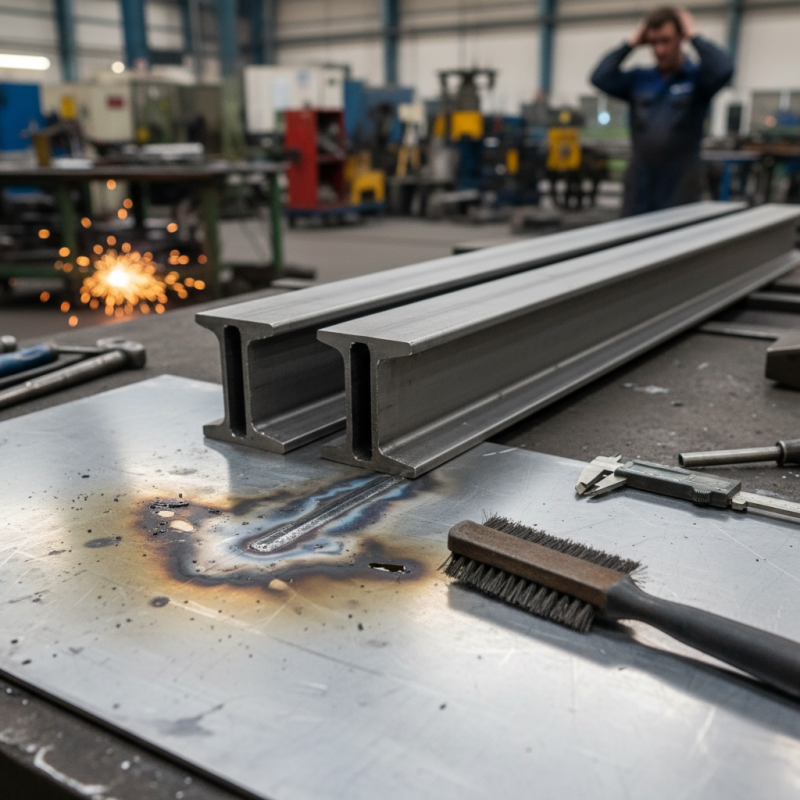
Stainless steel fabrication is a complex process. Understanding its basics is crucial for achieving high-quality results. The journey begins with selecting the right grade of stainless steel. Different grades offer varying strength, corrosion resistance, and suitability for specific applications. A lack of knowledge about these grades often leads to costly mistakes.
Another critical aspect is proper cutting techniques. Using the wrong tools can damage the material's integrity. For instance, shearing can create burrs that lead to corrosion over time. It’s essential to ensure clean cuts and choose the right cutting methods. Ignoring these details can affect the overall quality of the final product.
Welding is another area where errors commonly occur. Inadequate preparation or poor technique can result in weak joints. Proper cleaning of the surfaces before welding is often overlooked. This oversight may seem minor, but it significantly impacts durability. Regular training and attention to these fundamentals can reduce mistakes and improve outcomes in stainless steel fabrication.
: Material selection affects durability and performance. Choosing the wrong grade can lead to issues, like corrosion.
Using the wrong grade, like 304 in marine areas, can cause significant degradation over time.
Finishes modify both appearance and corrosion resistance. Brushed finishes may look better, while polished finishes resist corrosion more.
Proper welding is essential for creating durable joints. Mistakes can result in costly repairs and safety risks.
Insufficient heat control can warp metal. Either too much or too little heat creates weak seams.
Oils, dirt, or oxidation can compromise weld integrity. Cleaning the base material is crucial for quality welding.
Regular inspections and employee training help catch errors early and improve skills.
Skilled workers are less prone to mistakes. Training reduces errors and reinforces best practices.
Using calibrated tools ensures precise measurements. This minimizes discrepancies in fabrication.
Encouraging feedback fosters improvement. It helps identify areas needing attention and enhances overall quality.
When discussing "What are common mistakes in stainless steel fabrication," it's essential to first understand the fundamentals of the fabrication process. Material selection errors often arise from inadequate knowledge of stainless steel grades and their applications, leading to suboptimal performance in projects. Furthermore, employing improper welding techniques can significantly compromise the structural integrity of the finished product, making it vital to adhere to best practices to ensure strong and reliable joints.
Another critical aspect is avoiding contamination during handling, which can adversely affect the quality of stainless steel. Adhering to cleanliness protocols and using appropriate tools can greatly mitigate this risk. Lastly, implementing robust quality control measures throughout the fabrication process is essential to identify and prevent common errors, ensuring a high standard of workmanship and prolonging the life of stainless steel products. By being aware of these common pitfalls, fabricators can enhance the efficacy and reliability of their stainless steel projects.
