 Elite Steel
How to Choose the Right Stainless Steel Shafts for Your Project?
Choosing the right stainless steel shafts is crucial for any engineering project. Stainless Steel Shafts offer strength, durability, and corrosion resistance. According to a recent market report by Grand View Research, the global market for stainless steel is projected to reach $150 billion by 2025. This growth highlights the increasing reliance on stainless steel for various applications.
When selecting stainless steel shafts, several factors come into play. The material grade, shaft diameter, and length significantly influence performance. A study by Smithers Pira indicates that over 50% of engineers face challenges in sourcing the right specifications. This raises questions about material compatibility and performance under different conditions.
It's essential to consider the project requirements carefully. Visualizing various applications may aid in understanding. For instance, a shaft used in marine environments requires different qualities than one used in automotive applications. Making an informed choice can be overwhelming. Striking a balance between versatility and functionality often proves difficult. Each project is unique, which adds another layer of complexity.
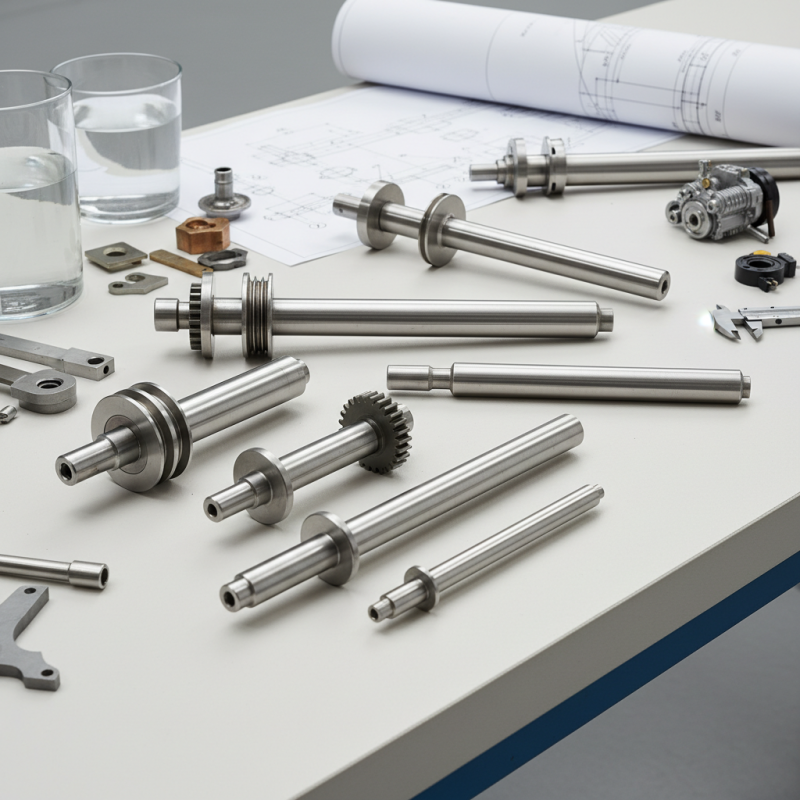
Understanding the Different Types of Stainless Steel Shafts
When selecting stainless steel shafts, understanding the variety available is crucial. The most common types include austenitic, ferritic, and martensitic stainless steel. Each type has distinct properties. For instance, austenitic shafts are known for their corrosion resistance. This makes them ideal for marine applications. In contrast, ferritic shafts offer good resistance but are less ductile. They are often used in automotive components.
Martensitic stainless steel is tough and can be hardened. However, it may not resist corrosion as well as the other types. It's essential to match the shaft type with project requirements. Consider factors like tensile strength and environment. What suits one application may fail another. A common oversight is overlooking specific environmental conditions.
Thickness is another critical factor. Thicker shafts can provide better durability, but they are heavier. Some projects may benefit from lighter shafts for mobility. Testing different shaft types can yield insights that theory alone cannot provide. Evaluating these details ensures that you choose the right stainless steel shaft for your specific needs.
How to Choose the Right Stainless Steel Shafts for Your Project? - Understanding the Different Types of Stainless Steel Shafts
| Type of Stainless Steel Shaft | Material Grade | Common Applications | Diameter Range (mm) | Corrosion Resistance |
|---|---|---|---|---|
| Precision Shafts | AISI 303 | Automotive, Aerospace | 5 - 50 | High |
| Hollow Shafts | AISI 304 | Furniture, Equipment | 10 - 100 | Moderate |
| Solid Shafts | AISI 316 | Marine, Chemical | 5 - 70 | Very High |
| Spherical Shafts | AISI 310 | Heat Exchangers | 15 - 60 | High |
| Custom Shafts | AISI 201 | Bespoke Applications | Various | Moderate |
FAQS
: The grade affects corrosion resistance and durability. Grades like 304 work well but fail in salty conditions.
A larger diameter adds strength but increases weight. Balance these factors for better performance.
Length impacts flexibility and application. Testing different sizes may help you find the best option.
Heavier shafts need more support and can complicate designs. Reflect on your project's requirements carefully.
They are used in construction, machinery, and automotive industries. Their durability is key in harsh environments.
They are essential for rotating elements, ensuring smooth operations in motors and pumps.
Mismatched materials can cause failures, affecting safety and efficiency. Recognize the importance of compatibility.
Adjusting sizes and specifications improves fit and performance. It's a learning process that may require reflections.
Not all shafts fit every project. Evaluate unique demands to ensure success and efficiency.
Yes, each project is different. Being open to changes can lead to better design outcomes.
Conclusion
When selecting the right stainless steel shafts for your project, it's essential to understand the different types available and their unique properties. Various grades of stainless steel offer distinct performance characteristics, which can significantly impact your project's success. Key factors to consider include strength, corrosion resistance, and applications for which the shafts are best suited. Common uses for stainless steel shafts range from construction and automotive to marine and medical fields, highlighting their versatility.
Furthermore, proper maintenance and care are crucial for extending the lifespan of stainless steel shafts. Regular inspections and appropriate cleaning methods ensure optimal performance and durability, allowing you to make the most of your investment. By evaluating the relevant factors and applying the right care, you can effectively choose stainless steel shafts that meet your project's specific requirements.
