Choosing the right stainless steel for outdoor use is crucial for durability and performance. Industry experts emphasize the importance of understanding material properties. According to the 2022 Stainless Steel Report by the International Stainless Steel Forum, around 75% of users face challenges due to corrosion and degradation. This statistic highlights the need for educated decisions.
Dr. Michael Johnson, a leading metallurgist, once stated, "Selecting stainless steel requires an in-depth understanding of environmental conditions." His insight underscores the complexity of materials selection. Different grades, like 304 and 316, serve varied purposes based on exposure to moisture and salt.
Incorporating environmental considerations is essential. A poorly chosen stainless steel can lead to unexpected failures. For instance, using 304 in coastal areas may result in pitting corrosion. Such experiences remind us to scrutinize our choices carefully. Knowing how to choose stainless steel for outdoor use can mitigate risks and enhance longevity.
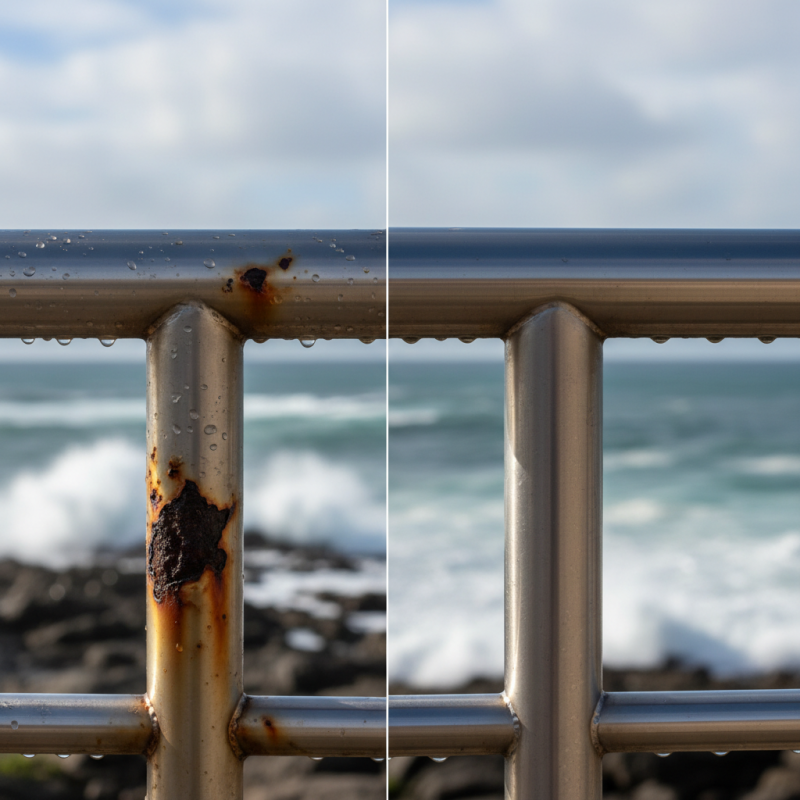
Factors to Consider When Selecting Stainless Steel for Outdoor Use
Choosing the right stainless steel for outdoor applications involves several key factors. One crucial consideration is the grade of stainless steel. For outdoor use, Type 304 and Type 316 are commonly recommended. Type 316, for example, offers superior corrosion resistance due to its molybdenum content. According to a report by the Specialty Steel Industry of North America, 316 stainless steel outperforms other grades in harsh marine environments. This is vital if the application is near saltwater.
Another factor is exposure conditions. Stainless steels can react differently based on environmental conditions like humidity and salinity. A study by the American Society for Testing and Materials found that even minor factors, such as proximity to coastal areas, can influence the longevity of stainless steel. Regular maintenance, including cleaning and inspections, helps mitigate potential corrosion issues. However, users often overlook this, leading to unexpected deterioration.
Surface finishes also play a vital role. Polished finishes can enhance resistance to staining and tarnishing. However, they can show fingerprints and smudges easily, which might be undesirable for certain applications. Users frequently need to find a balance between aesthetics and practical durability. Testing and regular assessments can aid in determining the most suitable type of stainless steel for specific outdoor environments and applications.
Types of Stainless Steel Suitable for Various Outdoor Conditions
When selecting stainless steel for outdoor use, consider the specific conditions it will face. Different types of stainless steel offer varying levels of corrosion resistance. For coastal environments, where salt exposure is high, look for grades like 316. This grade contains molybdenum, making it more resistant to rust.
In contrast, for less harsh environments, 304 stainless steel may be sufficient. It provides decent durability but might not withstand prolonged exposure to saltwater. Keep in mind that while 304 is more affordable, it could become discolored over time if used outdoors.
Monitor the condition of your stainless steel regularly. Even high-quality grades can corrode under specific circumstances. Factors like humidity and pollution can affect performance. Understanding these variables can help you choose the right stainless steel. Avoiding the assumption that all stainless steel is created equal is crucial. It's essential to acknowledge these intricacies to ensure longevity.
Corrosion Resistance: Understanding Grades and Finishes
Choosing the right stainless steel for outdoor use requires understanding its grades and finishes, particularly regarding corrosion resistance. Stainless steel is classified into various grades, with 304 and 316 being the most common for outdoor applications. The American Iron and Steel Institute (AISI) notes that 304 stainless steel comprises 18% chromium and 8% nickel. This combination grants it decent corrosion resistance but can still succumb to harsh environments.
For coastal areas or environments with high salinity, 316 stainless steel is preferable. It includes molybdenum, enhancing its resistance to pitting and crevice corrosion. Industry data suggests that 316 performs significantly better in marine conditions, with corrosion rates as low as 0.5 mm/year versus 2 mm/year for 304. However, despite these strengths, long-term exposure in extreme environments can challenge even 316 grades. Regular maintenance and inspections are vital to prevent unexpected degradation.
Finishing processes also impact corrosion resistance. Passivation, for example, enhances the protective oxide layer on stainless steel, significantly improving durability. On the other hand, a lack of finishing can lead to more rapid corrosion. Some experts argue that obtaining higher-quality finishes can be an overlooked aspect in the selection process. These details can make a considerable difference in longevity. Careful consideration of these elements can safeguard your outdoor stainless steel investments.
Maintenance Tips for Ensuring Longevity of Outdoor Stainless Steel
Maintaining outdoor stainless steel is crucial for its longevity. Regular cleaning is essential to prevent corrosion. Use mild soap and warm water to clean surfaces. Avoid harsh chemicals that can damage the finish. A soft cloth works best for drying. This prevents water spots and enhances shine.
Inspect your stainless steel regularly. Look for early signs of rust or scratches. Early detection can save you from more extensive damage. Consider applying a protective sealant every few years. This adds an extra layer against the elements. Remember, exposure to saltwater or humid conditions can accelerate wear.
Keep in mind that outdoor environments are harsh. Even the best stainless steel can show signs of wear. Don't be discouraged by minor imperfections. They can give character to the piece. Embrace the maintenance journey. With care, your outdoor stainless steel can remain beautiful for years.
Cost vs. Quality: Making an Informed Decision on Stainless Steel Choices
When selecting stainless steel for outdoor applications, cost and quality are critical factors. High-quality stainless steel often comes with a premium price tag. According to the Stainless Steel Association, the longevity of high-grade stainless steel can save costs in the long run. While lower-cost options may initially appear attractive, they often lead to more frequent replacements and repairs.
A report by the International Stainless Steel Forum highlights that lower grades of stainless steel, like 304, might corrode quickly in coastal regions. The additional maintenance costs can surprise users. On the other hand, higher-grade materials like 316L stand up against harsh conditions. This choice can be essential for outdoor furniture and structures exposed to salt, humidity, and extreme temperature changes.
Understanding the difference between grades is vital. Not all stainless steel is created equal. Poor decisions can lead to regrets down the line. Consumers might find themselves choosing aesthetics over function, only to face unforeseen challenges. Investing in reliable stainless steel can ensure durability and performance, ultimately paying off in the future.
FAQS
: Type 316 is often recommended for outdoor use due to its superior corrosion resistance, especially in marine environments.
Conditions like humidity and salinity can influence stainless steel's longevity and corrosion resistance. Regular maintenance is crucial.
Polished finishes enhance resistance to stains but may show fingerprints. Finding a balance between aesthetics and practicality is essential.
Regular cleaning and inspections can prevent unexpected corrosion, which users often overlook, leading to rapid deterioration.
Lower grades can corrode quickly, resulting in more frequent repairs and replacements. Initial savings may lead to higher long-term costs.
High-quality stainless steel ensures durability, whereas poor choices may cause future regrets and challenges related to functionality.
Conclusion
When considering "How to choose stainless steel for outdoor use," several important factors must be evaluated. Firstly, one should identify the specific environmental conditions where the stainless steel will be used, including exposure to weather elements and potential corrosive agents. Different types of stainless steel, such as austenitic and ferritic, exhibit varying levels of resistance to these elements, making it crucial to select the appropriate grade for your specific situation.
Understanding the corrosion resistance of stainless steel grades and finishes is key to ensuring durability. Maintenance also plays a significant role; regular cleaning and care can significantly enhance the longevity of outdoor stainless steel products. Finally, potential users should weigh the cost against quality to make informed decisions, ensuring that the selected stainless steel not only meets aesthetic and functional requirements but also provides long-lasting value.
 Elite Steel
