How to Choose the Best Stainless Steel Globe Valves?

Time:2026-03-18 Author:Amelia
0%

When it comes to selecting Stainless Steel Globe Valves, expert insights can illuminate the process. John Smith, a leading valve engineer, emphasizes, "Choosing the right valve impacts system efficiency." This statement underscores the importance of thoughtful selection.

Stainless Steel Globe Valves are popular for their durability and tight sealing. However, understanding their specific applications is essential. These valves can vary significantly in design and functionality. Knowing the differences in materials, pressure ratings, and connection types is crucial.

Many people overlook crucial details. For instance, not all Stainless Steel Globe Valves are suited for high-temperature applications. Improper choice can lead to failures, leading to costly downtime and safety risks. It's vital to reflect on what specifications your project truly needs. Make informed decisions, and always consider the long-term implications of your choices.
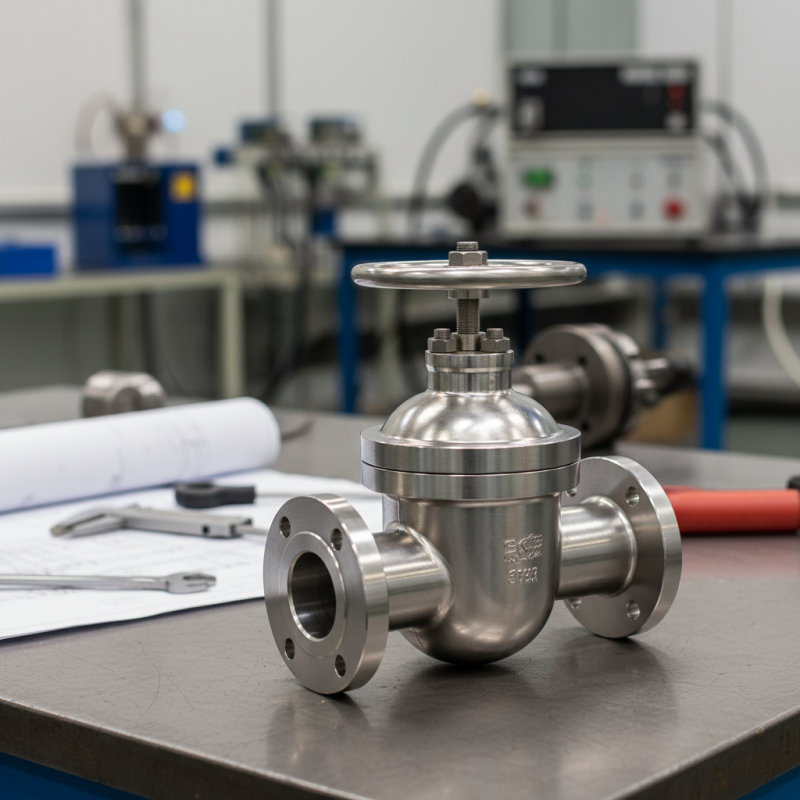
How to Choose the Best Stainless Steel Globe Valves?

Understanding the Basics of Stainless Steel Globe Valves

Stainless steel globe valves are crucial components in various piping systems. They control fluid flow with precision. Their design features a spherical body, allowing for efficient flow regulation. According to industry reports, around 40% of operational failures in valve systems are due to improper selection of valves. This underscores the importance of understanding the specifics of globe valves.

When selecting a globe valve, you need to consider several key factors. Ensure you check the pressure ratings, as these valves often handle high-pressure conditions. The American Society of Mechanical Engineers (ASME) provides guidelines on pressure classes. Research indicates that choosing the right pressure class can reduce malfunction rates by up to 25%. Additionally, size matters. A poorly sized valve can create turbulence and reduce system efficiency.

Material selection is also critical. Stainless steel is praised for its corrosion resistance and durability. However, not all stainless steel is equal. There are different grades, like 304 and 316, each with unique properties. A mismatch can lead to leaks or failures. A report from the Valve Manufacturers Association shows that nearly 30% of valve failures involve material incompatibility. Thus, understanding your environment is vital for making the right choice.

Key Factors to Consider When Choosing Globe Valves

When selecting a stainless steel globe valve, consider the key factors that impact performance and durability. One crucial aspect is the valve size. It should match the pipe size and fit the flow requirements of your system. A mismatch can lead to inefficiencies or even failures. Also, the pressure rating matters. Ensure that the valve can handle the pressure levels expected in your application.

Another essential factor is the material quality. Stainless steel varies in grades, and not all types resist corrosion equally well. Choosing a grade suited to your environment can enhance the valve's lifespan. Additionally, the design of the valve affects its efficiency. Look for features like smooth flow paths, which reduce turbulence and wear over time.

Installation practices can be tricky, too. A poorly installed valve may not perform optimally, leading to leaks or flow issues. Take time to plan the installation carefully. Lastly, always consult professionals if you're unsure. Getting advice can prevent costly mistakes down the line. Choosing the right stainless steel globe valve requires attention to these details for optimal operation.

How to Choose the Best Stainless Steel Globe Valves? - Key Factors to Consider When Choosing Globe Valves

Factor Description Importance Level
Material Quality Assess the grade of stainless steel used, such as 304 or 316, based on chemical and temperature resistance. High
Pressure Rating Consider maximum allowable pressure to ensure safety and functionality in application. High
Size Determine the appropriate sizing for compatibility with piping system. Medium
End Connections Check connection types like threaded, flanged, or socket weld to match system requirements. Medium
Temperature Range Evaluate the operating temperature to prevent thermal expansion or material failure. High
Flow Characteristics Understand the flow control requirements to select the appropriate valve design. Medium
Certification Standards Confirm compliance with industry standards (e.g., ANSI, ASME) for reliability. High

Materials and Construction Quality of Stainless Steel Valves

When selecting stainless steel globe valves, the materials and construction quality are crucial factors. Stainless steel is known for its durability and corrosion resistance. However, not all stainless steel is created equal. Different grades of stainless steel offer varying levels of strength and resilience. It's essential to consider the specific grade used in the valve's construction. Look for detailed specifications to ensure you're getting a robust product.

Construction quality also matters significantly. Check for seamless designs and consistent welds. Poorly welded seams can lead to leaks over time. Sometimes, manufacturers may overlook small imperfections. These flaws can affect the valve's performance in critical applications. Inspecting valves for quality control marks is a good practice. A visually appealing valve is not always a reliable one.

The choice of seals and gaskets is just as important. They must withstand high pressures and various temperatures. Often, materials like PTFE are recommended for their longevity. However, some consumers may forget about the replacement maintenance. Regular checks can ensure optimal function. Remember, even the best materials need proper care. It's a common oversight that can cost time and resources later.

Sizing and Pressure Ratings for Optimal Valve Performance

Choosing the right stainless steel globe valve requires careful consideration of sizing and pressure ratings. A well-sized valve enhances flow efficiency and extends system longevity. Measure the pipe diameter accurately. A mismatch can lead to pressure drops and increased wear. The correct size ensures that media flow isn’t restricted.

Understanding pressure ratings is crucial. Each valve has a maximum pressure limit. Operating beyond this limit can lead to failures. It's important to assess the system's pressure requirements. Unfortunately, many overlook this detail. They underestimate the importance of proper ratings.

Ensure that your selection matches both flow requirements and system pressures. Confirm that the material can withstand the media's characteristics. Sometimes, users choose based on price rather than performance. This oversight can lead to expensive repairs. Being thorough in these aspects is key to optimal valve function.

Stainless Steel Globe Valves: Sizing and Pressure Ratings

This chart illustrates the relationship between valve size (in inches) and their corresponding pressure ratings in PSI for stainless steel globe valves. The optimal performance is achieved when the valve size matches the pressure rating specifications.

Comparing Brand Options and Manufacturer Reputation in Valve Selection

When selecting stainless steel globe valves, manufacturer reputation plays a crucial role. Industry reports indicate that around 70% of valve failures stem from poor quality control. Reliable manufacturers often have rigorous testing protocols. They invest in quality assurance. This increases the chances of obtaining durable products.

Research shows that established brands usually provide extensive documentation. This includes testing results, material certifications, and warranty information. Such transparency signifies a commitment to quality. Many industries rely on stainless steel globe valves for critical applications, where failure is not an option. A reputable manufacturer should offer both reliability and support.

Customer reviews can reveal valuable insights. Analyze how different brands perform under pressure. Some may excel in particular applications but fall short in others. This reflection on performance variability can guide decisions. Choosing a valve is not merely efficient; it demands a thorough understanding of market options. Aim for clarity in your selection process to avoid future regret.

FAQS

: Why is the material choice crucial for stainless steel valves?

: Material affects durability and corrosion resistance. Different grades offer varying strength levels.

What construction qualities should I look for in a valve?

Look for seamless designs and consistent welds. Poor welds can lead to leaks later.

Are aesthetics important when selecting a valve?

A visually appealing valve may not be reliable. Quality control marks are more important.

How critical are seals and gaskets in valve performance?

They must withstand high pressures and temperatures. Regular maintenance is often overlooked.

What happens if the valve sizing is incorrect?

Mismatched sizes can cause pressure drops and reduced efficiency. It's an easy mistake to make.

Why are pressure ratings essential for valves?

Each valve has a maximum pressure limit. Exceeding it can lead to failures.

How can overlooking system pressures impact my valve choice?

Many underestimate proper ratings, leading to costly repairs. This detail is crucial for performance.

Should price be the only factor when selecting a valve?

Choosing based solely on price can result in performance issues. Always consider the valve's capabilities.

What is the common oversight regarding valve maintenance?

Users often neglect regular checks to ensure optimal function. Proper care is needed even for quality materials.

How can detailed specifications help in valve selection?

They provide insights into materials and construction quality. This ensures you choose a robust product.

Conclusion

When selecting the best stainless steel globe valves, it is crucial to understand their fundamental design and functionality. These valves are essential components in controlling fluid flow, and their effectiveness is influenced by key factors such as materials and construction quality, sizing, and pressure ratings. High-quality stainless steel valves are durable and resistant to corrosion, making them suitable for various industrial applications.

In addition to material selection, it's important to consider sizing and the valve's pressure ratings to ensure optimal performance under specific operating conditions. Evaluating different brands and manufacturers based on their reputation can also provide insights into the reliability and longevity of the stainless steel globe valves being considered. By focusing on these critical areas, users can make informed decisions that align with their operational needs and standards.

Amelia

Amelia

Amelia is a seasoned marketing professional with a wealth of expertise in our company’s core offerings. With an unwavering passion for driving growth and innovation, she plays a pivotal role in shaping our marketing strategies and enhancing brand visibility. A key aspect of her responsibilities......