Choosing the right Stainless Steel Anchor Bolts is crucial for any construction project. According to Mike Johnson, a leading expert in the fastener industry, “The right anchor bolts can make or break a structure.” With an array of options available, understanding the nuances is essential.
Stainless Steel Anchor Bolts offer outstanding corrosion resistance and durability. This makes them ideal for both indoor and outdoor applications. Yet, not all stainless steel is the same. The grade, finish, and coating significantly affect performance.
Many buyers overlook these details and end up with subpar products. It’s vital to research manufacturers and their reputations. Reliable brands often have certifications and customer reviews. The cost is not the only factor to consider. Investing in quality Stainless Steel Anchor Bolts ensures safety and longevity. Remember, a small mistake in selecting these fasteners can lead to serious consequences.
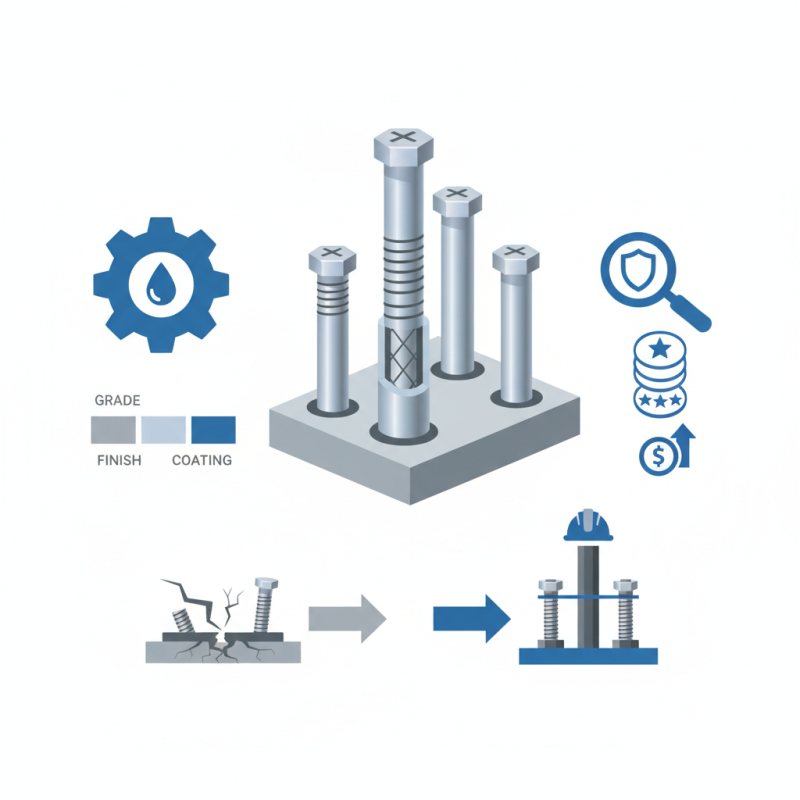
Stainless steel is a preferred material for anchor bolts. It offers excellent corrosion resistance, making it suitable for various environments. Its strength and durability ensure that structures remain secure over time. These properties make stainless steel a top choice for anchor bolts in construction and engineering.
When selecting stainless steel anchor bolts, consider the grade of stainless steel. Common options include 304 and 316. Grade 316 is particularly resistant to saltwater corrosion. This makes it ideal for marine applications. However, 304 may suffice for less demanding environments. Weighing the environmental conditions is essential for longevity.
Tips: Ensure the bolts match the application requirements. Inspect for stress corrosion cracking, especially in coastal regions. Consider the installation method; improper techniques can lead to material failure. Understanding these factors can guide better decision-making in your projects.
When selecting stainless steel anchor bolts, it's crucial to understand the various types available. Stainless steel can resist corrosion, making it ideal for diverse environments. There are primarily three grades of stainless steel used for anchor bolts: A2, A4, and A5. Each grade has unique characteristics that make it suitable for specific applications. A2, for example, is well-suited for indoor projects. It offers a good balance of strength and corrosion resistance.
A4, on the other hand, is designed for harsher conditions. This grade is often used in marine applications and environments with high chloride levels. While it provides superior resistance, it may be overkill for simpler tasks. Understanding the setting of your project can simplify your choice.
Lastly, A5 is often overlooked but serves niche applications, particularly in heat-resistant environments. Many overlook the significance of bolt length and diameter, which directly affects stability. Make sure to consider these factors for the best fit. The decision-making process requires thorough contemplation, as improper choices can lead to significant project failures. Always consult with experts when in doubt.
When selecting stainless steel anchor bolts, understanding load capacity and strength requirements is crucial. The load capacity directly correlates with the bolt's diameter, grade, and material properties. According to industry data, a 1-inch diameter stainless steel bolt can typically handle around 20,000 pounds of tensile load, depending on the grade. Recognizing the specific load your application requires is essential to ensure safety and structural integrity.
Strength requirements also hinge on environmental factors. For instance, exposure to corrosive elements may require higher-grade stainless steel to maintain performance. Research shows that austenitic stainless steels, like 316, demonstrate superior corrosion resistance. Yet, their tensile strength can vary significantly based on manufacturing processes. It's important to evaluate these properties and not rely solely on standardized ratings, as real-world conditions can impact performance.
Many users overlook the importance of installation methods. Incorrect installation can compromise the load-bearing capabilities of anchor bolts, regardless of their specifications. It's crucial to consult engineering reports or guidelines specific to your project. Ignoring these factors might lead to unexpected structural failures. Engaging with professional expertise can clarify these complexities and help you make informed decisions.
When selecting stainless steel anchor bolts, environmental factors play a crucial role. Conditions such as humidity, temperature fluctuations, and exposure to harsh chemicals can significantly influence the performance and longevity of anchor bolts. For example, high humidity can lead to accelerated corrosion, even in stainless steel. It's essential to assess the specific environment where the anchor bolts will be installed.
Tips: Understand the local climate conditions. Areas with high salinity or chemical exposure require specialized stainless steel alloys. Consider not only the present but also potential future environmental changes.
The selection process can be complex. Different grades of stainless steel offer varying resistance to corrosion. The choice of the anchor bolt should be aligned with both mechanical needs and environmental exposures. Conducting a thorough analysis will help mitigate potential failures later on. Testing alternatives before finalizing the choice could be beneficial.
Tips: Always consult with a structural engineer. Their expertise can provide valuable insights into the appropriate materials based on environmental assessments. Conduct periodic reviews of stress and tensions on anchor bolts as conditions evolve. This practice can prevent unforeseen complications.
When it comes to installing stainless steel anchor bolts, proper techniques are essential for longevity. First, ensure the surface is clean and free of contaminants. Oil, dirt, and moisture can weaken the bond. Use a wire brush or sandblaster to prepare the area. The hole should be drilled precisely to the right depth and diameter. This attention to detail can significantly affect the durability of the installation.
Proper torque is crucial. Over-tightening can compromise the strength of the bolt and lead to failure. Conversely, under-tightening may not provide sufficient holding force. Always refer to the manufacturer’s torque specifications. Additionally, consider using the correct washer types. They help distribute the load evenly and reduce the risk of the bolt pulling through the substrate over time.
Another important factor is the environment where the bolts are installed. Stainless steel anchor bolts are generally resistant to corrosion but can still be affected by harsh conditions. For marine or corrosive environments, using a higher-grade stainless steel is advisable. This choice may add cost but can prevent future issues. Installation methods can sometimes overlook these details, leading to premature failures. Regular inspections are also important. Check for signs of wear and tear, and replace any compromised bolts promptly to maintain structural integrity.
: Stainless steel offers excellent corrosion resistance, ensuring durability in various environments.
The common grades are 304 and 316, each suitable for different conditions.
Grade 316 is ideal for marine applications due to its high resistance to saltwater corrosion.
Environmental factors like humidity and chemical exposure influence the bolt's performance and lifespan.
Bolt length and diameter are crucial for stability; improper sizes can cause project failures.
Incorrect installation methods may lead to material failure, even with high-quality bolts.
Overlooking the specific environmental conditions can lead to inappropriate material selection.
A2 is suited for indoor use but may not hold up in harsh or outdoor environments.
Experts provide insights based on environmental assessments, improving the decision-making process.
Periodic reviews of stress and tensions are recommended to prevent unforeseen issues.
When selecting the best stainless steel anchor bolts for your projects, it is essential to understand the properties of stainless steel as a material. Different types of stainless steel anchor bolts exist, each offering unique characteristics that suit various applications. Assessing load capacity and strength requirements is critical, as these factors ensure the bolts can withstand the expected stresses.
Additionally, environmental considerations should influence your selection, as exposure to elements can affect the longevity and performance of the bolts. Installation techniques and best practices also play a vital role in ensuring durability. By addressing these aspects, one can make an informed choice in selecting the most suitable stainless steel anchor bolts for their specific needs.

Elite Steel