Elite Steel
The durability of materials in construction is crucial. Many builders and architects often wonder, "What is the lifespan of stainless steel in construction?" Stainless steel is renowned for its resistance to corrosion and strength. This metal plays a vital role in buildings and infrastructure, offering long-term solutions.
However, the lifespan of stainless steel can vary. Factors include the environment, quality of the alloy, and care in maintenance. For example, coastal areas pose a challenge due to salt exposure. This can lead to unforeseen corrosion issues, shortening the metal’s expected life.
Understanding the principles governing stainless steel’s longevity is essential. Knowledge of proper installation and maintenance can significantly extend its lifespan. It's vital to be aware of the conditions that affect stainless steel over time. A reflection on these aspects can lead to better construction practices that enhance overall durability and performance.
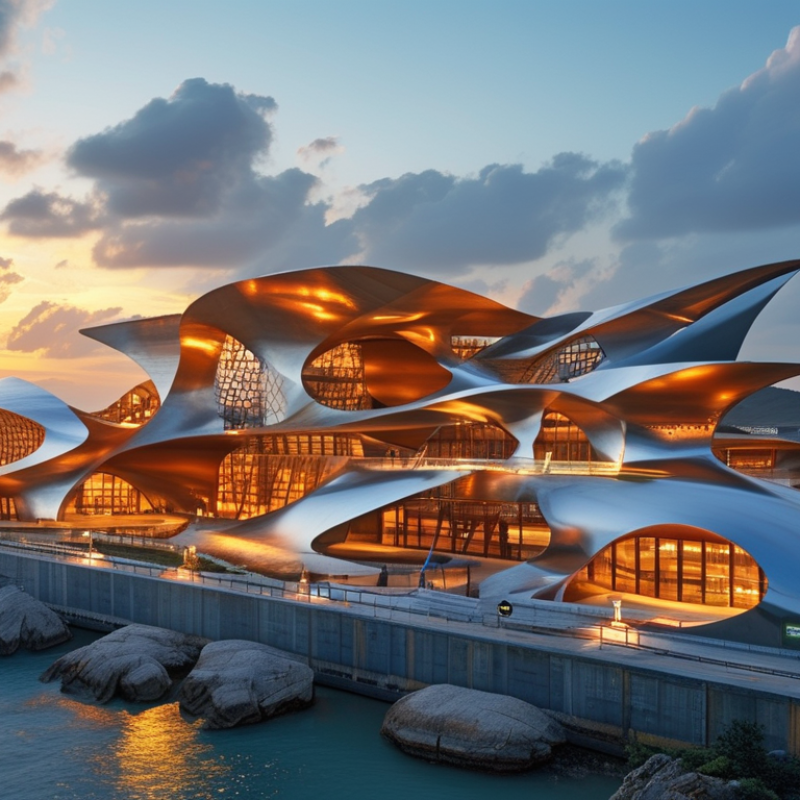
Stainless steel is crucial in construction, known for durability and aesthetic appeal. The most common grades used include 304, 316, and 430. According to industry data, 304 accounts for the largest share of stainless steel production, comprising about 50% of the total output. This grade is often chosen for its excellent corrosion resistance and versatility.
Grade 316 is another popular option, especially in coastal areas. It offers superior resistance to saltwater, which is vital in marine environments. However, with a higher nickel content, it can be more expensive than 304. Notably, the lifespan of stainless steel structures can exceed 50 years with proper maintenance. Yet, the longevity is influenced by environmental conditions and the specific application.
In contrast, grade 430 is less expensive and is used in applications where corrosion resistance is not as critical. It is magnetic and less durable than the austenitic grades but still has its place in construction. Some projects may rely on this grade but risk reduced lifespan and performance. Understanding these grades helps in selecting the right material, balancing cost, and functionality.
The lifespan of stainless steel in construction projects depends on several key factors. One primary consideration is the environment. Stainless steel performs well in corrosive settings, but not all types are created equal. For instance, marine environments pose unique challenges due to saltwater exposure. Increased chlorides can accelerate corrosive actions, leading to unexpected failures.
Another significant factor is the quality of the stainless steel itself. There are different grades available, and some are more resistant to corrosion than others. The manufacturing process also impacts durability. Imperfections in the steel, such as inclusions or inconsistent alloying, can weaken the material. Regular maintenance is essential, but it can sometimes be overlooked in fast-paced construction projects. Neglecting routine checks can culminate in costly repairs or replacements.
Design choices also play a critical role. Proper drainage and ventilation can prevent moisture buildup, a common issue in less thoughtful designs. However, architects may not always prioritize this aspect, leading to potential longevity issues. It’s crucial to consider these details during planning to enhance the lifespan of stainless steel in any construction project.
When comparing the lifespan of stainless steel with other construction materials, several factors come into play. Stainless steel is renowned for its durability and resistance to corrosion. In many cases, it can last over 50 years with minimal maintenance. This longevity makes it a favorite in structures that require both aesthetic and functional longevity.
In contrast, materials like wood may decay or warp in a decade or two, especially in humid environments. Concrete, while sturdy, can crack and erode over time, leading to costly repairs. Even treated metals often show signs of wear sooner than stainless steel. However, price and initial costs can influence material choice, pushing builders towards less durable options.
Even within the stainless steel realm, variations exist. Different grades offer various resistance levels to environmental factors. Understanding these nuances is essential. Not all stainless steel is equal, and decisions should reflect the specific project needs and conditions. Proper material selection is a reflection of both immediate budget and long-term planning.
Stainless steel is a top choice in construction due to its impressive durability and low maintenance needs. Industry studies reveal that stainless steel components can last upwards of 50 years under suitable conditions. Corrosion resistance plays a significant role in this lifespan. For example, a study conducted by the American Institute of Steel Construction indicates that stainless steel retains its structural integrity even in harsh environments.
However, the longevity of stainless steel can be affected by factors such as environmental exposure and maintenance practices. If not cleaned properly, pollutants can lead to pitting or staining. According to research from the Stainless Steel Research Group, regular maintenance can enhance the lifespan by 20%. Many experts suggest routine inspections to identify potential issues early.
Additionally, the choice of alloy can impact durability. Different alloys offer varying resistance levels based on their composition. A report from the International Stainless Steel Forum highlights that grade 316 is particularly effective in coastal areas due to its higher molybdenum content. Exploring the right alloys based on environmental factors is crucial for maximizing the lifespan of stainless steel in construction.
| Stainless Steel Grade | Lifespan (Years) | Corrosion Resistance | Maintenance Required |
|---|---|---|---|
| 304 | 25-30 | Moderate | Low |
| 316 | 30-35 | High | Low |
| 430 | 15-20 | Low | Moderate |
| 2205 | 30-40 | Very High | Low |
| Duplex 2507 | 30-50 | Very High | Very Low |
| 316L | 25-30 | High | Low |
| 201 | 20-25 | Moderate | Moderate |
| SUS 430Ti | 15-20 | Low | Moderate |
| 904L | 40-50 | Very High | Very Low |
| Austenitic 316 | 30-35 | High | Low |
Corrosion resistance plays a key role in determining the lifespan of stainless steel in construction. Structures exposed to harsh environments, such as coastal areas, face higher risks of corrosion. The ability of stainless steel to withstand these conditions directly impacts its longevity. Choosing the right grade of stainless steel is crucial. Higher chromium content enhances corrosion resistance. This means extended service life for buildings and infrastructure.
However, not all stainless steels perform equally well in every environment. Certain grades are better suited for specific applications. Misjudging the suitability can lead to unexpected failures. Regular inspections and maintenance are essential. Even the most resilient materials can suffer over time. Ignoring minor issues may result in significant damage later.
Understanding the complexities of stainless steel in construction is vital. It is not only about initial cost or appearance. Lifespan and maintenance costs outweigh initial savings. Investing in quality materials can lead to fewer repairs and longer-lasting structures. Regular assessments contribute to better performance and durability.
: The most common grades are 304, 316, and 430. Each has unique properties.
Grade 304 is chosen for its excellent corrosion resistance and versatility in various applications.
Grade 316 is preferred in coastal areas due to its superior resistance to saltwater.
Stainless steel structures can exceed 50 years with proper maintenance, depending on conditions.
Grade 430 is less expensive and used where corrosion resistance is less critical, but its durability is lower.
Stainless steel lasts over 50 years, while wood may decay in 10-20 years, and concrete can crack over time.
Cost, durability, and environmental conditions all influence the choice of materials for construction projects.
No, different grades offer varying resistance to environmental factors, affecting performance.
Builders should balance immediate costs with long-term durability and maintenance needs.
Yes, sometimes budget constraints lead builders to select materials that may not last as long.
The lifespan of stainless steel in construction is influenced by various factors, including the specific grades of stainless steel used and the environmental conditions it encounters. Stainless steel grades, such as 304 and 316, offer different levels of corrosion resistance, which directly impacts their durability. Additionally, factors like the quality of installation, maintenance practices, and exposure to aggressive elements can significantly affect the longevity of stainless steel components in building projects.
Comparatively, stainless steel typically outlasts many other construction materials due to its superior corrosion resistance. Industry studies show that with proper maintenance, stainless steel elements can remain functional and aesthetically pleasing for decades. Ultimately, understanding what is the lifespan of stainless steel in construction helps engineers and architects make informed decisions to ensure the longevity and reliability of structures.
