In modern kitchens, stainless steel stands out for its durability and aesthetic appeal. Many homeowners and chefs alike appreciate this material. But what are the advantages of stainless steel in kitchens? Its unique properties make it a popular choice.
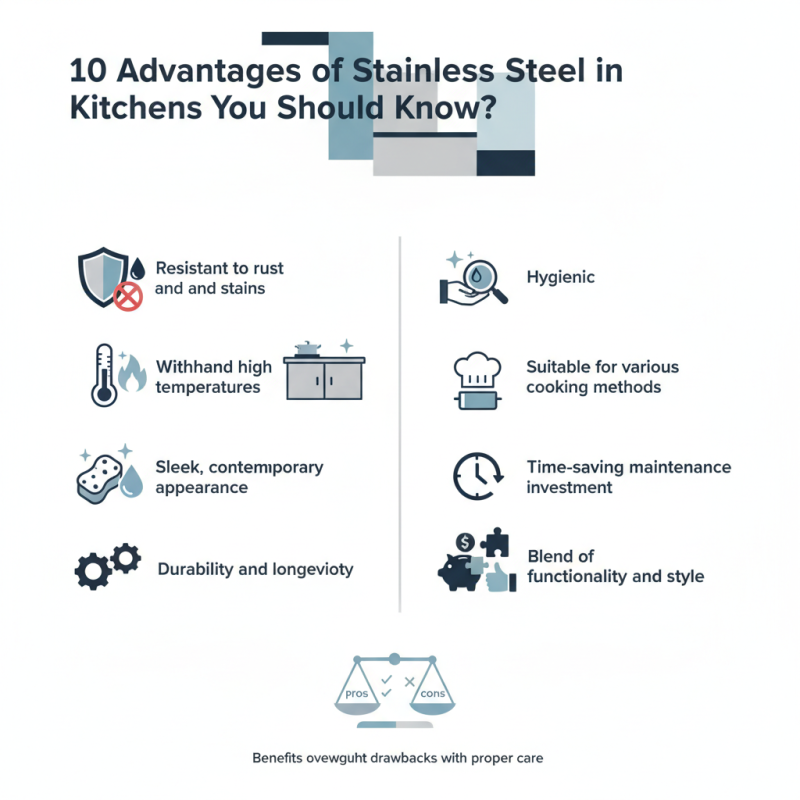
Stainless steel is resistant to rust and stains, which is essential in a busy kitchen. This resistance ensures that the surfaces remain clean and hygienic. Additionally, it can withstand high temperatures, making it suitable for various cooking methods. Its sleek appearance adds a contemporary touch to kitchen designs. Many find it easy to clean, saving time in daily maintenance.
However, not everyone sees stainless steel as perfect. Some may fear scratches or fingerprints on the surface. These concerns are valid. Yet, with proper care, the benefits often outweigh these drawbacks. Overall, stainless steel offers a blend of functionality and style, proving to be an excellent investment for any kitchen.
Advantages of Stainless Steel: Durability and Longevity in Kitchen Use
Stainless steel is celebrated for its durability. In a kitchen, this material stands out under heavy use. It resists corrosion, stains, and rust, making it ideal for food preparation. You won't worry about scratches or dents easily. Its resilience means fewer replacements over time. This can save you money in the long run.
Longevity is another key advantage of stainless steel. With proper care, it can last for decades. Imagine using the same kitchen appliances your entire life. This creates a sense of continuity and trust in your kitchen. However, some might find it requires regular cleaning to maintain its shine. Fingerprints can be an eyesore on a spotless surface. Yet, these minor issues do not diminish its overall value in the kitchen.
Aesthetic appeal plays a role too. The sleek look of stainless steel enhances modern kitchen designs. It blends well with various decor styles, adding a professional touch. While some may worry about it being too cold or sterile, a carefully arranged kitchen can mitigate these feelings. The pros often outweigh the cons, making stainless steel a go-to for many homes.
10 Advantages of Stainless Steel in Kitchens You Should Know
Corrosion Resistance: How Stainless Steel Stands Up to Moisture and Stains
Stainless steel is an ideal choice for kitchen surfaces, especially when it comes to corrosion resistance. Its ability to withstand moisture makes it a favorite for sinks, countertops, and appliances. When water spills occur, there's no need to panic. Stainless steel can handle the challenge without losing its appeal.
Unlike other materials that may stain or rust, stainless steel retains its sleek look. It does not absorb liquids, which means that food particles and moisture sit on the surface rather than getting absorbed. This feature allows for easy cleaning. A simple wipe with a damp cloth is often enough.
Despite its impressive qualities, stainless steel isn't perfect. It's prone to scratches when mishandled. Over time, these scratches can dull its shiny finish. Regular maintenance is necessary to keep it looking new. Users need to be mindful of cleaning methods and tools. Using abrasive sponges can lead to unwanted marks. In short, while stainless steel presents durable qualities, homeowners must approach it with care to maintain its charm and functionality.
Hygiene Factors: The Antimicrobial Properties of Stainless Steel Surfaces
When it comes to kitchen hygiene, stainless steel stands out due to its antimicrobial properties. This material naturally resists bacteria and viruses. Its non-porous surface makes it difficult for pathogens to thrive. Unlike wood or other materials, stainless steel does not harbor germs. This can significantly reduce the risk of foodborne illnesses in your kitchen.
Moreover, maintaining the cleanliness of stainless steel is quite easy. A simple wipe with soap and water can keep surfaces sanitized. Many chefs prefer stainless steel for food preparation. It provides a hygienic environment while being durable. This reliability is crucial, especially in high-traffic kitchens where safety cannot be compromised. However, it’s important to regularly check for scratches. While stainless steel is strong, damaged surfaces can become breeding grounds for bacteria.
Another interesting aspect is the thermal conductivity of stainless steel. It heats up quickly and evenly, which is ideal for cooking. Yet, some users may find it can be a bit slippery, posing safety risks. Awareness of the pros and cons is essential when choosing materials for your kitchen. Balancing aesthetics and functionality requires careful consideration. Ultimately, understanding the benefits of stainless steel can enhance kitchen safety and efficiency.
Aesthetic Appeal: How Stainless Steel Enhances Kitchen Design Trends
Stainless steel is more than just a functional material in kitchens; it significantly enhances aesthetic appeal. Its sleek and modern look fits seamlessly into various design styles, from minimalist to industrial. The reflective surface adds a sense of spaciousness, making kitchens feel larger than they are. This quality can be particularly beneficial in smaller spaces.
Moreover, stainless steel pairs well with other materials. It complements natural elements like wood and stone. This creates a balanced, harmonious environment. The versatility of stainless steel allows designers to get creative, merging it with colorful cabinetry or striking backsplash tiles. However, maintaining its shine can require effort, as smudges and fingerprints are easily visible. It’s an aspect that may frustrate some, prompting regular cleaning routines.
While the contemporary appeal is undeniable, noted imperfections may arise in design. The coldness of stainless steel can clash with warmer decor styles. Finding the right balance between the industrial and the inviting can be a challenge for homeowners. Experimentation and personal touch often lead to the best results, showcasing the beauty of stainless steel in home design.
Sustainability: The Recyclability and Eco-Friendliness of Stainless Steel Materials
Stainless steel is a remarkable material, especially in kitchen settings. One of its greatest advantages is its recyclability. Unlike many materials, stainless steel can be recycled repeatedly without losing its quality. This reduces waste and promotes sustainability. When old appliances or utensils are discarded, they can be melted down and reformed into new products.
Moreover, the eco-friendliness of stainless steel extends beyond recycling. The production process, although energy-intensive, can be improved through advanced technologies. Investing in these methods can lessen the environmental impact significantly. However, it’s essential to reflect on the overall lifecycle of the product. Not all stainless steel in appliances is sourced ethically; some production methods might still affect local ecosystems.
Choosing stainless steel for your kitchen means more than aesthetics. It’s an opportunity to support sustainable practices. Additionally, being mindful of the sourcing and manufacturing processes helps ensure a positive impact. Balancing style and responsibility can lead to a more conscious choice in kitchen materials.
FAQS
: Stainless steel enhances aesthetic appeal. It offers a sleek, modern look that fits various styles.
The reflective surface makes kitchens feel larger and more spacious. This is especially useful in smaller areas.
Yes, it pairs well with wood and stone. This combination creates a balanced and harmonious environment.
Maintaining its shine can be challenging. Smudges and fingerprints are visibly problematic, prompting regular cleaning.
Its cold appearance can clash with warmer decor. Finding balance is often difficult for homeowners.
Yes, it is highly recyclable and reduces waste. It can be melted down for new products without losing quality.
The production process is energy-intensive. Not all materials are sourced ethically, potentially affecting local ecosystems.
Reflect on the lifecycle and sourcing. Ensuring responsible manufacturing promotes a positive environmental impact.
Yes, experimentation often leads to the best results. Personal touches showcase the unique beauty of stainless steel.
While stylish, the material requires effort to maintain. It may not blend well with all decor styles.
Conclusion
Stainless steel has become a popular choice for kitchen materials, and for good reason. What are the advantages of stainless steel in kitchens? Its durability and longevity ensure that it can withstand the daily rigors of a busy kitchen, making it a wise investment for long-term use. Moreover, stainless steel exhibits exceptional corrosion resistance, standing up to moisture and stains that often plague kitchen environments. This resilience, combined with its inherent antimicrobial properties, contributes to a hygienic workspace, making it safer for food preparation.
In addition to its functional benefits, stainless steel brings aesthetic appeal to kitchen designs, effortlessly aligning with modern trends and enhancing overall decor. Furthermore, its sustainability factor is noteworthy, as stainless steel is highly recyclable and considered eco-friendly. In summary, the advantages of stainless steel in kitchens encompass durability, hygiene, aesthetic enhancement, and sustainability, making it an ideal choice for both homeowners and designers alike.
 Elite Steel
