 Elite Steel
Keeping stainless steel bright in 2026 requires more than occasional polishing. How to prevent staining on stainless steel surfaces begins with understanding what causes marks. Water minerals, salt, grease, fingerprints, and cleaning residues can leave dull patches or brown spots. Even clean-looking surfaces may hold a thin film that attracts more dirt.
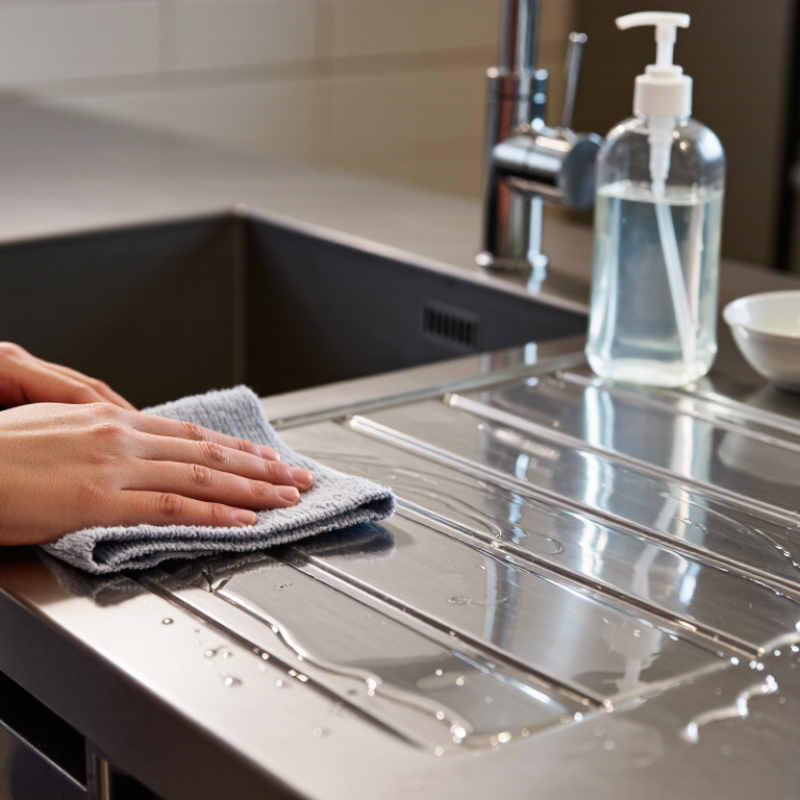
This guide shares practical methods used in kitchens, workshops, healthcare facilities, and commercial spaces. Wipe spills quickly with a soft microfiber cloth. Follow the grain instead of rubbing in circles. Use warm water and a small amount of mild detergent for routine cleaning. Then rinse away soap and dry the surface completely. Tiny details matter.
Never let salty water sit overnight.
Harsh powders and chlorine-based products can damage the protective chromium oxide layer. Stainless steel is corrosion-resistant, not stain-proof. That distinction is easy to forget. A neutral cleaner is usually safer, but manufacturers’ instructions should guide product selection. Test any unfamiliar cleaner on a hidden area first.
In real maintenance work, inconsistent drying often causes more visible staining than people expect. A busy sink may be cleaned correctly but left wet around its edges. That small habit can create repeated mineral rings. Softened water may reduce deposits, yet it does not replace proper cleaning. Results also vary by steel grade, surface finish, temperature, and local water quality.
These 2026 tips focus on prevention, careful observation, and realistic maintenance routines. Some marks will still appear. The goal is to reduce their frequency, protect the finish, and respond before minor residue becomes permanent-looking damage.
Understanding Why Stainless Steel Develops Stains
Stainless steel does not stain because it is completely stain-proof. Its chromium-rich surface forms a thin oxide film that protects the metal. This film needs oxygen and a clean surface to remain effective. Salt, chlorine, and acidic food residues can disrupt it, especially near sinks or coastal air. Hard water leaves pale mineral marks when droplets dry. These marks may look like corrosion, but they are often surface deposits. Rust-colored spots can come from iron particles transferred by steel wool, dusty tools, or nearby construction work. The stainless steel itself may not be the original source.
Heat creates another problem. Repeated heating can bake oil, detergent, or mineral residue onto the surface. Fingerprints also become darker when mixed with grease and household dust. In practical inspections, wiping only the visible spot often fails. The residue may remain around the edges, creating a cloudy ring. I have sometimes blamed the metal too quickly. That was a mistake. Checking water quality, cleaning tools, and nearby materials gives a more reliable diagnosis. Use a soft cloth and clean water first, then dry along the surface grain. For mineral stains, a mild, suitable cleaner may help, but harsh abrasives can scratch the passive layer. Small scratches hold more residue later. Prevention is not perfect. It depends on regular drying, careful product selection, and noticing what contacts the surface each day.
| Stain or Damage Type | Why It Develops | Typical Risk Conditions | Prevention Tip | Recommended Response | Priority |
|---|---|---|---|---|---|
| Tea or coffee discoloration | Tannins, pigments, and dried residues adhere to the passive chromium-oxide surface film. | Long contact time, warm surfaces, and infrequent cleaning. | Wipe spills promptly and rinse the surface after use. | Clean with warm water and a mild dish detergent using a soft cloth; rinse and dry. | Medium |
| Hard-water spots | Calcium and magnesium minerals remain after water evaporates, leaving a white or cloudy deposit. | Hard water, air drying, and repeated wetting. | Dry the surface after washing and remove mineral deposits regularly. | Use a diluted vinegar solution where appropriate, rinse thoroughly, and dry immediately. Do not mix acids with bleach. | Medium |
| Salt or chloride staining | Chloride ions can locally break down the passive film and initiate pitting corrosion. | Coastal air, saltwater, de-icing salt, and salty food residue. | Rinse chloride residues with clean water as soon as possible and keep the surface dry. | Wash with a mild detergent, rinse well, and dry. Persistent pits may require professional assessment. | High |
| Tea staining in coastal or humid areas | Moisture, airborne chlorides, and surface contamination promote localized corrosion, especially when deposits remain wet. | Marine environments, high humidity, sheltered crevices, and poor drainage. | Improve drainage, avoid crevices that trap debris, and clean more frequently in marine environments. | Remove deposits with a suitable non-abrasive stainless-steel cleaner and rinse thoroughly; avoid aggressive scrubbing. | High |
| Rust transfer or flash rust | Iron particles from carbon-steel tools, wool, dust, or nearby construction materials can contaminate the surface. | Grinding, welding, construction dust, and contact with ordinary steel. | Use dedicated stainless-steel tools and keep carbon-steel work away from finished surfaces. | Clean particles promptly with a non-metallic abrasive pad and stainless-steel cleaner; never use carbon-steel wool. | High |
| Chlorine or bleach marks | Hypochlorite and other chlorine-containing chemicals can damage the passive film and cause staining or pitting. | Concentrated bleach, prolonged contact, poor rinsing, and warm conditions. | Avoid chlorine-based cleaners unless specifically approved for the application; never leave them on the surface. | Rinse immediately with plenty of clean water, wash with mild detergent, and dry thoroughly. | High |
| Acid or chemical etching | Strong acids and some concentrated chemicals can attack the protective surface film and alter the finish. | Low-pH cleaners, chemical spills, high concentration, and extended exposure. | Follow the cleaner's instructions, test on an inconspicuous area, and remove spills immediately. | Flush with water and use a neutral, mild detergent. Severe discoloration may need professional refinishing. | High |
| Grease and fingerprints | Oils form a visible film that attracts dust and makes the surface appear dull or uneven. | Frequent handling, kitchen use, and insufficient final wiping. | Clean in the direction of the existing grain and use a clean microfiber cloth for drying. | Use warm water with mild detergent or a residue-free stainless-steel cleaner; wipe dry. | Low |
| Scratches and abrasive haze | Hard particles or unsuitable tools remove or roughen the surface finish, making stains easier to retain. | Scouring powder, steel wool, rough pads, and wiping across the grain. | Use soft cloths or non-abrasive pads and clean in the direction of the grain. | For light marks, use a cleaner suitable for the finish. Deep scratches may require controlled mechanical refinishing. | Medium |
| Trapped moisture and crevice corrosion | Low-oxygen areas under seals, joints, deposits, or overlapping parts can become chemically different from exposed surfaces. | Poor drainage, tight joints, stagnant water, and accumulated dirt. | Design or maintain clear drainage paths, remove deposits, and dry joints where practical. | Clean the crevice thoroughly and inspect for pitting. Replace damaged seals or repair affected areas when necessary. | High |
| Heat tint or heat discoloration | Heating can create oxide colors ranging from straw to blue or purple and may reduce the uniformity of the finish. | Welding, overheating, hot equipment, and inadequate post-fabrication cleaning. | Control heat exposure and use suitable fabrication and post-weld cleaning procedures. | Use a qualified stainless-steel restoration method; avoid improvised strong acids or aggressive abrasives. | Medium |
| Food residue and organic buildup | Sugars, proteins, starches, and fats can dry onto the surface and become difficult to remove. | Delayed cleaning, warm equipment, and textured or scratched finishes. | Clean after food preparation and do not allow residues to bake onto heated surfaces. | Soak with warm water and mild detergent, then wipe with a soft cloth and rinse completely. | Medium |
General guidance: Always identify the stainless-steel finish and follow the equipment or fabricator's care instructions. Test any cleaner on a small, hidden area first.
Its protective oxide film can weaken when salt, chlorine, acid, or trapped residue remains on the surface. Stainless does not mean stain-proof.
No. Dried hard-water droplets often leave mineral rings or cloudy patches. Wipe the area with clean water, then dry it completely.
Iron particles may come from steel wool, dusty tools, or nearby construction. The stainless steel may not be the original source.
Use warm water, mild dish soap, and a microfiber cloth. Wipe along the grain, rinse away soap, and dry immediately.
Apply a soft paste of baking soda and water. Rub gently along the grain, rinse thoroughly, and inspect the surface afterward.
Diluted white vinegar may help with mineral deposits. Test a hidden area, keep contact brief, rinse well, and dry completely.
Avoid steel wool, rough pads, gritty powders, chlorine products, and concentrated acids. Scratches can hold residue and create dull patches.
Check handles, welds, corners, seams, lower edges, and areas beneath containers. Bright side lighting can reveal faint rings and dull spots.
Remove water, salt, oil, and acidic food quickly. Clean high-use surfaces daily and dry them with a soft cloth.
I once blamed the metal too quickly. Checking water quality, cleaning tools, and nearby materials gives a better diagnosis. Be gentler.
Stainless steel can develop stains because of fingerprints, hard-water deposits, food residue, salt, heat, and exposure to harsh chemicals. Understanding these causes is the first step in learning How to prevent staining on stainless steel surfaces. Use soft microfiber cloths, warm water, and mild, non-abrasive cleaners to protect the finish. Avoid steel wool, rough scrubbers, chlorine-based products, and cleaners that may scratch or dull the surface.
A consistent care routine helps maintain a clean, even appearance. Wipe spills promptly, clean with the direction of the grain, rinse away residue, and dry thoroughly to prevent water spots. For common stains, allow a gentle cleaner to loosen buildup rather than scrubbing aggressively. Once the surface is clean, occasional polishing with a suitable stainless-steel-safe product can add protection against future discoloration. Regular, careful maintenance keeps stainless steel attractive and helps extend its service life.
